
How did India’s Healthcare Sector Fare in 2025?
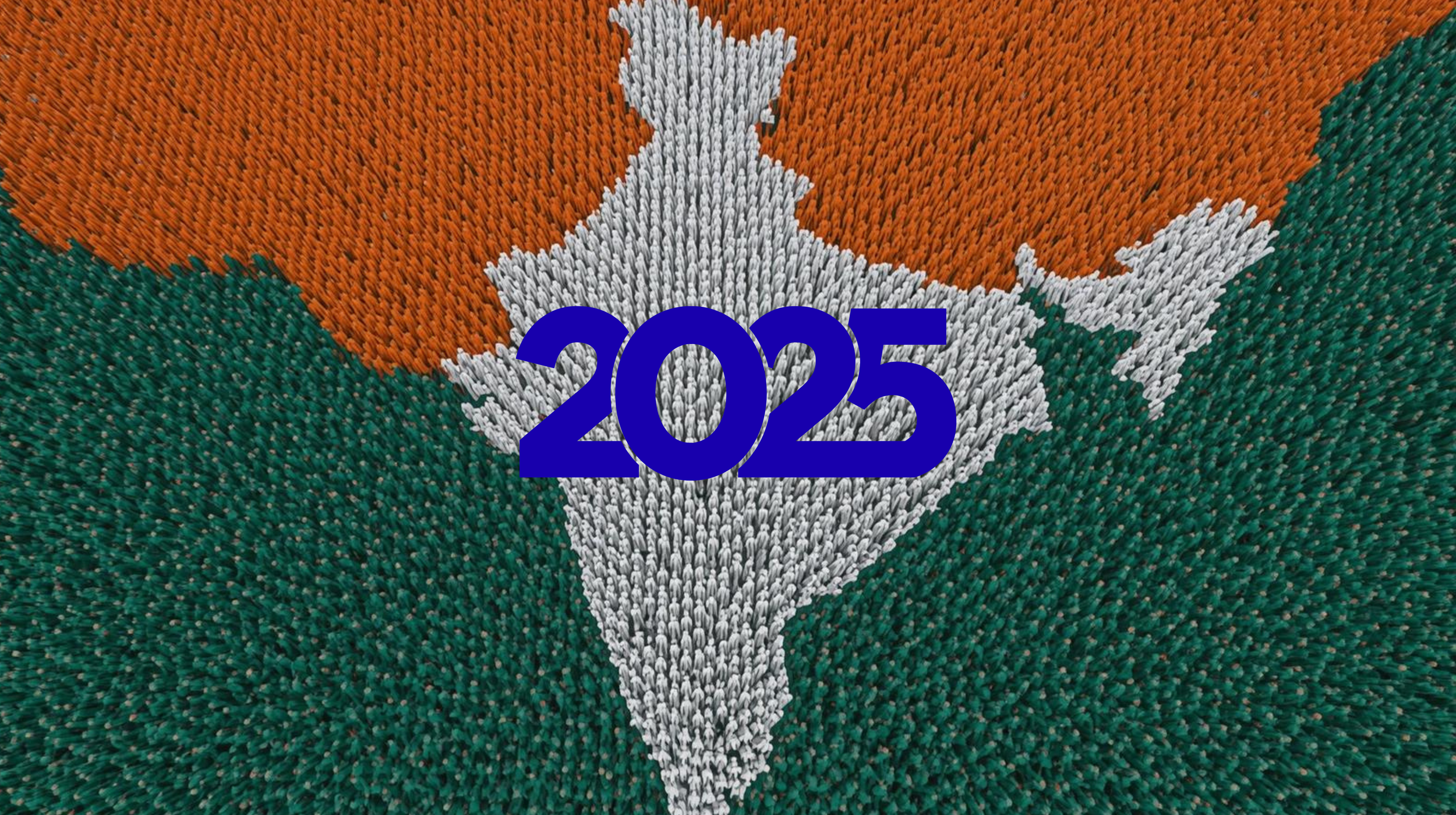
Healthcare Executive spoke to analysts, hospital CXOs and policy watchers to take stock of the year gone by. Their verdict: 2025 emerged as a year of quiet but consequential shifts for India’s healthcare sector. Capital remained committed, scale became selective, and technology shifted from promise to practice. Expansion moved beyond metros, while providers sharpened their focus on outcomes, governance and sustainable growth.
Bhanu Prakash Kalmath S J, Partner and Healthcare & Pharma Industry Leader, Grant Thornton Bharat

The past year marked a period of sustained momentum for India’s healthcare and pharmaceutical sector, supported by rising demand, resilient capital flows, and multi-year policy-driven capacity building. India’s pharmaceutical exports remained front-loaded at $28– 30 billion annually, while the domestic pharma market continued to grow in high single digits, led by rising prevalence of diseases and lifestyle therapies. Government support for Make in India under the broader vision of Atmanirbhar Bharat also reinforced these changes. As per Grant Thornton Bharat’s deal tracker, across healthcare and pharma, the sector attracted an estimated USD 10 billion in private equity, IPOs, venture, and strategic investments over the past 12 months, signalling long-term confidence in demand fundamentals. Global tariff actions and supply-chain disruptions sharpened the focus on domestic manufacturing, particularly APIs and CDMO capabilities, with continued emphasis on prevention and chronic disease management.
Healthcare Investments: Specialisation and Scale Emerging as Key Theme
Healthcare continued to attract strong investor interest, drawing an estimated USD 4 billion in investments over the past year. Investors increasingly prioritizing single-specialty platforms driven by scalable models and asset-light expansion strategies. Importantly, expansion is now moving beyond large metropolitan clusters into Tier-II and Tier-III cities, reflecting a broader push for accessibility and affordability. This geographic diversification is creating new opportunities for specialized care delivery and diagnostics in underserved markets. At the same time, multi-specialty hospital chains pursued consolidation and brownfield expansion to improve operating leverage and meet rising demand in urban clusters. Investor confidence remains strong, supported by demand growth, expanding insurance coverage, and improving affordability. These dynamics suggest that specialisation and scale will remain defining themes for healthcare investments in the coming years.
Dr. Himanshu Shekhar, Group Chief Strategy & Clinical Officer, ASG Eye Hospital
How was 2025 for India’s eye care sector
India’s eye care sector has pivoted from fragmentation to consolidation in 2025, with standardisation of practices being adopted on a wide scale, bolstered by technologically enabled care, precision surgeries and advanced imaging.
Technology and the use of AI in eye health helped to address the major epidemiological shift taking place. The rising number of cases of diabetic retinopathy and myopia has been tackled by precision technology and AI tools, helping with early detection. The increase in ‘screen epidemics’ has been a trend across all groups. Focus on care for aging demographics has resulted in the need for complex refractive and retinal solutions, moving beyond cataracts.
By deploying AI-integrated handheld fundus cameras and portable OCT devices in peripheral centers, screenings for people have been automated. Deep-learning algorithms allow for real-time grading of retinopathy stages, effectively triaging high-risk patients without requiring an on-site retina specialist. This has resulted in a shift from reactive surgery to predictive ophthalmology, helping better manage India's lifestyle-driven vision crisis.
This year also signalled maturing of the sector, with eye chains achieving scale and governance, across cities. Quality care is no longer just an urban luxury; patients in Tier-2 and Tier-3 cities now demand the same precision outcomes as metro residents. From volume driven metrics to value based care, the shifting narrative captures the enhanced patient care quality, besides just focusing on footfalls. The consolidation in India’s hospital sector is shifting to smaller cities, with the regional acquisition story playing out.
Dr. Sandip Shah, Joint Managing Director at Neuberg Diagnostics
Firstly, the consistent increase of chronic and lifestyle‑related diseases in India will maintain the demand for diagnostic services at a high level. The market for diagnostic labs in India is estimated to be worth about $18.4 billion in 2024 and is expected to reach a value close to $34.7 billion by 2030, which means a compound annual growth rate (CAGR) of nearly 10.9 %. In such a scenario, 2026 will mark a turning point for diagnostic chains in terms of volume scaling, access extension and preventive‑health offering deepening.
Secondly, the role of technology and data analytics will be even more prominent. The use of molecular diagnostics, next‑generation sequencing, and point‑of‑care testing, for example, is making the diagnostic function a proactive one rather than a reactive one. In Neuberg's case, this is an opportunity to go further in genomics, haemato‑oncology and integrated diagnostics (as we are already doing) in order to deliver more personalised, quicker, and more easily implemented insights to clinicians and patients alike.
Third, the growth will be largely driven by geographic expansion—mainly to tier‑II and tier‑III towns and rural areas—beyond metropolitan centers. The chains that will be equipped with efficient logistics, sample‑collection networks and digital reporting will be the ones to take the lead. This change is our advantage through our presence in over 250 cities.
Fourth, partnerships and ecosystem integration will get more and more pivotal as a growth lever. To deliver end‑to‑end care rather than just standalone tests, diagnostics providers will collaborate with hospitals, tele‑medicine platforms, insurance schemes and wellness programmes. Patient loyalty and value proposition will be the results of this move.
Lastly, with an emphasis on regulatory clarity, accreditation, and quality standards, more and more eyes will be drawn towards these aspects. The labs which will be able to showcase trusted quality, fast turnaround, and digital transparency are the ones that will benefit from better market positioning, in the face of increasing competition. We at Neuberg, see this not merely as a compliance requirement but more as a differentiator.
To put it briefly: the focal points in 2026 will be scale + access, tech‑enabled diagnostics, geographic reach, ecosystem linkages, and quality trust. With the strategy of integrated diagnostics, digital reporting, and venturing into new markets, Neuberg Diagnostics is on the right track to catch this wave.

Dr. Kshitiz Murdia, CEO,Indira IVF Hospital Limited
India’s fertility and IVF sector has moved through a meaningful period of change in 2025, shaped by how clinics, policymakers and patients have responded to a shifting demographic landscape and rising demand for assisted reproduction.
Through the year, the country’s declining fertility rate created a steady undercurrent of discussion on what India’s future age profile could look like. Several reports confirmed that India’s fertility rate has fallen below replacement levels, prompting concern about long-term demographic balance. At the same time, the steady movement of IVF services into smaller cities highlighted how aspirations and family-building choices are evolving beyond the metros. This shift urges the sector to think more seriously about consistency in clinical practice, transparency in outcomes, and the kind of counselling that prepares couples for treatment.
Another thread that gathered momentum was the industry’s focus on fairness and responsible care. Global guidance released this year placed stronger emphasis on widening access to safer, fairer and more affordable infertility care worldwide.
The affordability challenge sharpened this even further. A government-backed report released late in the year showed the depth of financial strain many couples face, with IVF pushing a significant proportion of households into catastrophic medical spending. Typical private-sector cycles remain well above two lakh rupees once medicines and diagnostics are counted, raising questions about whether infertility care should continue to sit almost entirely outside financial protection frameworks. This has opened a serious policy discussion on whether schemes such as Ayushman Bharat PM-JAY should evaluate support for medically indicated cases.
Looking ahead to 2026, the direction for the sector feels more like a mindset shift than a list of tasks. Access will need to deepen without compromising quality. Counselling will need to become more honest and data-led. And the conversation on insurance and public financing will have to move from the margins to the mainstream. 2026 should be about whether the sector is ready to respond with clarity and purpose.
Pankaj Chandna, Co- founder at Vaidam Health
India’s medical tourism is experiencing unprecedented growth in 2025, and one that reinforced the country’s position as a trusted global healthcare destination. We saw renewed momentum as international patient movement stabilised and demand diversified beyond cost savings to include quality, outcomes, and end-to-end care experiences. Patients from Africa, the Middle East, CIS countries, and Southeast Asia increasingly chose India not just for complex surgeries but also for oncology, fertility treatments, orthopaedics, organ transplants, and advanced diagnostics. To facilitate the visit of foreign nationals who come to India for medical treatment, the Government of India has extended the e-medical visa/e-medical attendant visa facility. This year, it was clear that patients were thinking things through more before deciding.
Patients came in with higher expectations around transparency, hospital accreditation, doctor credentials, recovery timelines, and post-treatment support. Digital enablement played a crucial role in shaping 2025. Technology has been a great enabler in reducing uncertainty and boosting patient confidence even before their medical journey. From virtual consultations and AI-assisted treatment planning to quicker medical visas and digital health records. Meanwhile, Tier-2 cities have emerged as strong medical hubs and have become a viable choice for quality medical care at affordable prices, while also helping decongest metro hospitals. Another significant trend was the increased focus on holistic patient journeys. By 2025, medical tourism had evolved to cover rehabilitation, wellness, mental health support, and long-term follow-ups, apart from procedures alone. This reflects a mature ecosystem that recognises healthcare as an ongoing journey rather than a one-time event. For platforms like Vaidam, 2025 reaffirmed the importance of trust, verified medical expertise, and personalised guidance. As we look ahead, India’s medical tourism story will be shaped by deeper global partnerships, consistent quality benchmarks, and a patient-first approach that balances clinical excellence with empathy.
Shreevalli V, COO, Kinder Women’s Hospital and Fertility Centre , Bangalore
Modern techniques in IVF enhance effectiveness of treatments, reduce burden on the patients and even offer personalized solutions. This has made IVF more accessible and successful in a country like India.
We at Kinder have been at the forefront of utilising these modern techniques. We focus on precision methods for better outcomes, incorporating techniques like ICSI( injecting sperm directly into the egg) for male infertility, PGT( Genetic screening of embryos) and Vitrification ( Rapid freezing for better embryo survival).
Then there are other methods like Mini Stimulation IVF that uses lower doses of hormones or fewer injections making the process less invasive for patients. FET( Frozen Embryo Transfer) where previously frozen embryos are transferred often with better success rates than fresh transfers is becoming popular. There is also the concept of Assisted Hatching in which a microscopic hole is made in the embryo's outer shell to help it implant in the uterine wall.
This year many of the hospitals started using AI and Time lapse imaging to select the most viable embryos. Year 2025 was a period that featured many of these innovations, with digital adoption and AI-driven diagnostics coming to the fore. Many more couples came forward to seek help with regard to fertility and IVF, with rising awareness in the society about these modern methods. This has reduced social stigma, making real progress possible in this space.
Vineet Aggarwal, Group COO, Paras Health
When we look back at 2025, one thing becomes very clear. India needs stronger regional healthcare systems. We have seen a rise in non-communicable diseases, infections linked to climate change, and lifestyle related health issues, and they are no longer limited to big cities. People in Tier 2 regions need dependable access to advanced diagnostics, specialist care, and intensive support without having to leave their hometowns.
From our experience, the moment you make these services available locally, the entire behaviour pattern changes. Patients come in earlier, they follow through with treatment more consistently, and they feel more confident about managing their health. This year also showed us how important preventive and technology supported care has become. Simple tools like digital diagnostics, remote monitoring, and integrated care pathways make it easier to catch problems early and guide patients through their treatment in a structured way.
As we move into 2026, our focus remains on building capacity, training specialised teams, and using technology that genuinely improves patient care. Strengthening regional healthcare is not just a long term goal. It is something India needs right now to ensure better outcomes and a more resilient, future ready health system.
Dr. Sandip Shah, Joint Managing Director at Neuberg Diagnostics.

Firstly, the consistent increase of chronic and lifestyle‑related diseases in India will maintain the demand for diagnostic services at a high level. The market for diagnostic labs in India is estimated to be worth about $18.4 billion in 2024 and is expected to reach a value close to $34.7 billion by 2030, which means a compound annual growth rate (CAGR) of nearly 10.9 %. In such a scenario, 2026 will mark a turning point for diagnostic chains in terms of volume scaling, access extension and preventive‑health offering deepening.
Secondly, the role of technology and data analytics will be even more prominent. The use of molecular diagnostics, next‑generation sequencing, and point‑of‑care testing, for example, is making the diagnostic function a proactive one rather than a reactive one. In Neuberg's case, this is an opportunity to go further in genomics, haemato‑oncology and integrated diagnostics (as we are already doing) in order to deliver more personalised, quicker, and more easily implemented insights to clinicians and patients alike.
Third, the growth will be largely driven by geographic expansion mainly to tier‑II and tier‑III towns and rural areas—beyond metropolitan centers. The chains that will be equipped with efficient logistics, sample‑collection networks and digital reporting will be the ones to take the lead. This change is our advantage through our presence in over 250 cities.
Fourth, partnerships and ecosystem integration will get more and more pivotal as a growth lever. To deliver end‑to‑end care rather than just standalone tests, diagnostics providers will collaborate with hospitals, tele‑medicine platforms, insurance schemes and wellness programmes. Patient loyalty and value proposition will be the results of this move.
Lastly, with an emphasis on regulatory clarity, accreditation, and quality standards, more and more eyes will be drawn towards these aspects. The labs which will be able to showcase trusted quality, fast turnaround, and digital transparency are the ones that will benefit from better market positioning, in the face of increasing competition. We at Neuberg, see this not merely as a compliance requirement but more as a differentiator.
To put it briefly: the focal points in 2026 will be scale + access, tech‑enabled diagnostics, geographic reach, ecosystem linkages, and quality trust. With the strategy of integrated diagnostics, digital reporting, and venturing into new markets, Neuberg Diagnostics is on the right track to catch this wave.
Got a story that Healthcare Executive should dig into? Shoot it over to arunima.rajan@hosmac.com—no PR fluff, just solid leads.