Digitally Augmenting Neighbourhood Pharmacies into Primary Care Hubs
By Arunima Rajan
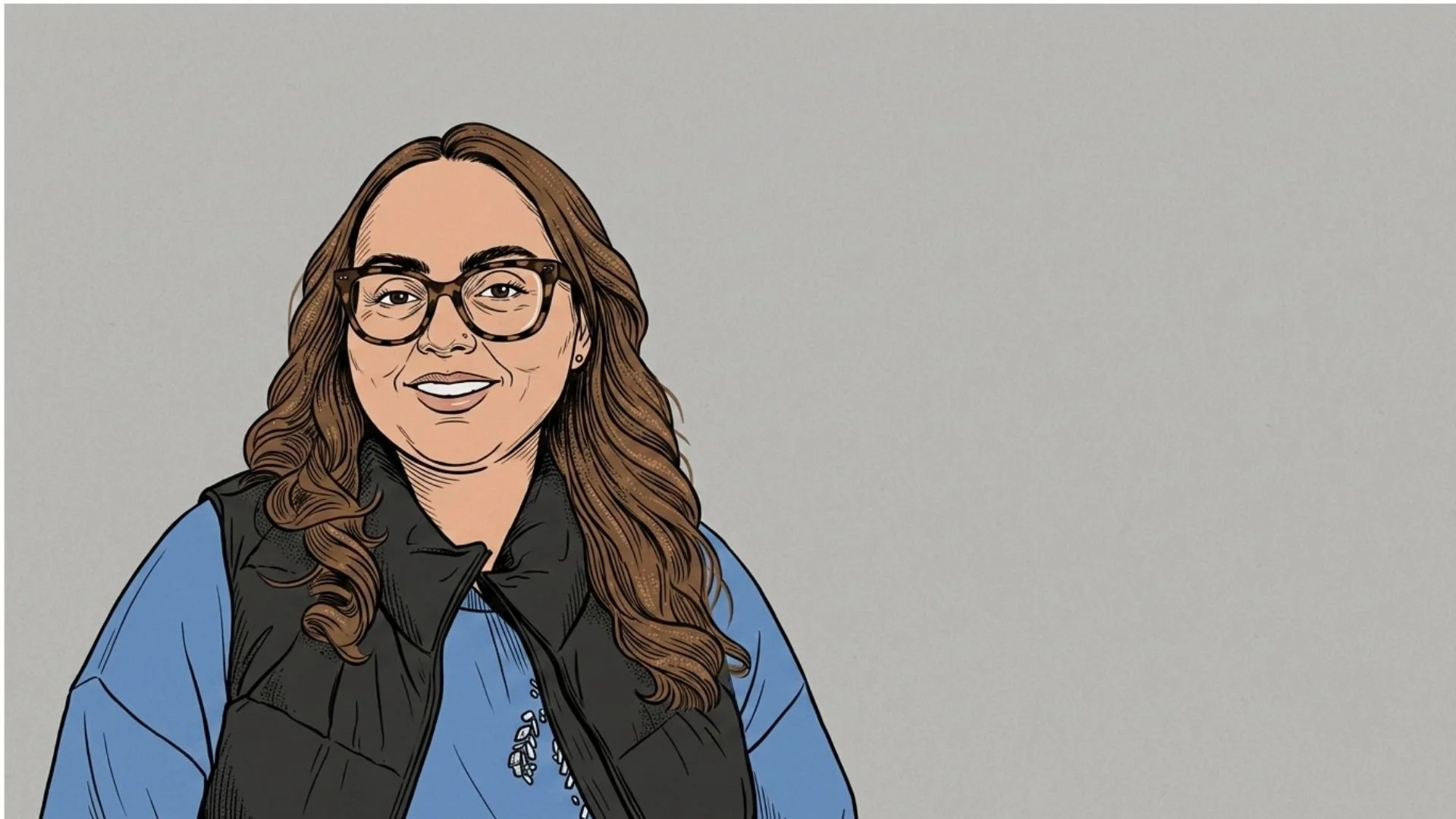
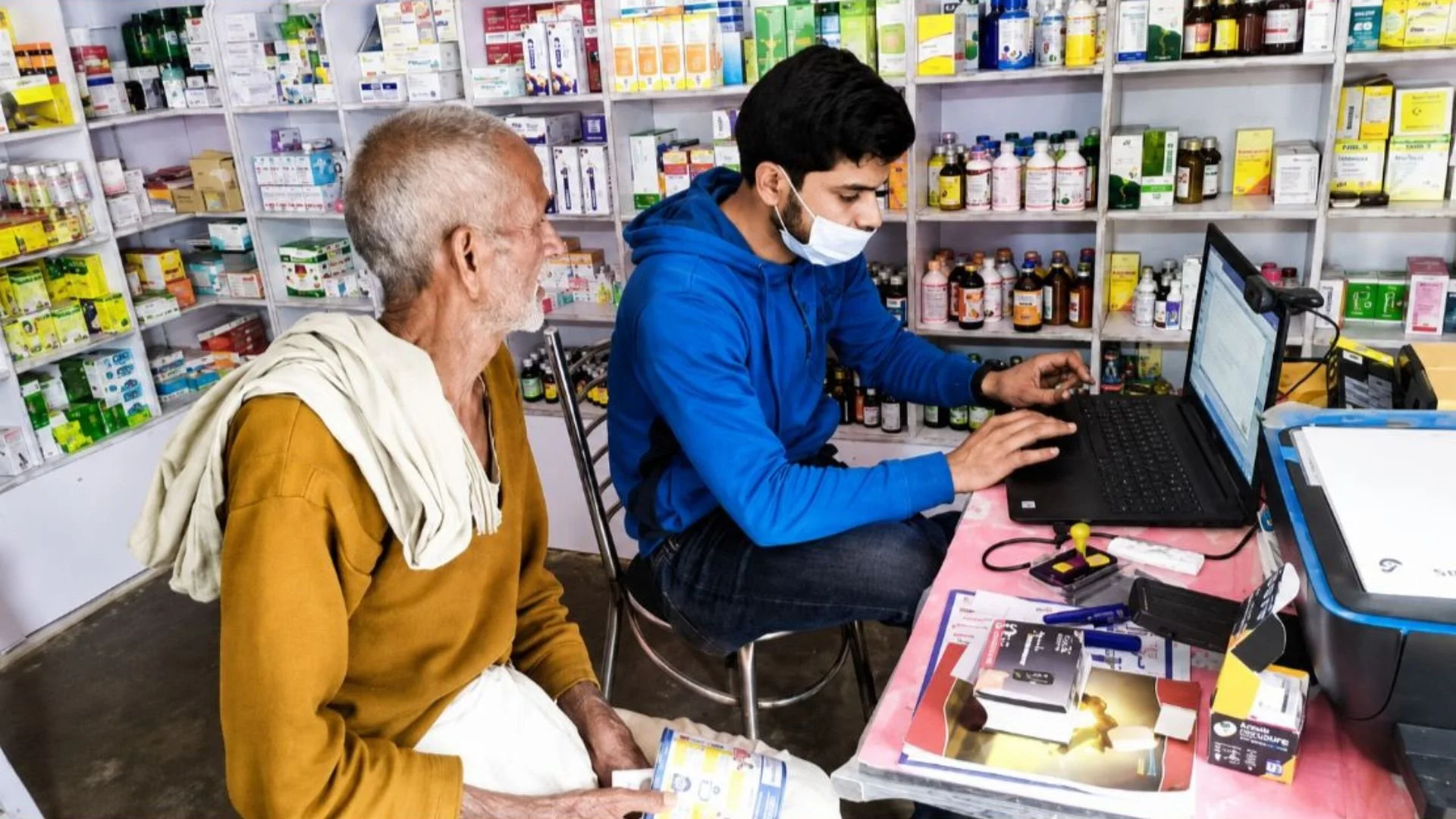
Online Chikitsa Mitra, powered by Salubrious Technologies, is a technology-enabled healthcare platform connecting patients with qualified doctors. It enables assisted teleconsultations through participating medical stores, where trained store owners help patients access qualified medical advice, alongside direct consultations through the Online Chikitsa Mitra app.
The platform also supports digital patient records and follow-up care and has facilitated more than 1.55 lakh consultations to date.
In an interview with Arunima Rajan, Smriti Tandon, Co-Founder of Online Chikitsa Mitra and 120by80, flagship healthcare platforms by Salubrious Technologies, explains how the company is seeking to convert neighbourhood pharmacies into digital health hubs, and responds to questions around utilisation, prescribing practices, patient privacy, liability and the economics of the model.
Could you take us back to the first medical store owner Online Chikitsa Mitra brought on board, and how that conversation went?
Our first medical store partner during the 2019–20 pilot was Vishal Medical Store in Haidergarh, Uttar Pradesh. At that stage, the conversation was less about selling technology and more about whether patients would actually trust a doctor they met through a screen.
What gave us confidence was that the medical store already had the community's trust; technology only needed to connect that trust to qualified medical advice.
Vishal Medical Store remains associated with us today and now facilitates around 100 consultations a month. That early experience shaped an important part of our model: rather than trying to create a new healthcare destination, we work with an ecosystem patients already know and use.
You cite 1.55 lakh consultations since the 2019–20 pilot. That averages out to a modest number per store per day. How many stores are currently active, not merely onboarded? What share of them conduct fewer than 10 consultations a month, and what is the repeat-patient rate?
Activity across a distributed network is never uniform, and we describe ours honestly. We have over 600 e-Clinic partners across 15 states, ranging from high-volume anchors, including our first pilot partner from 2019–20, which still facilitates around 100 consultations a month, to newer stores still building patient trust.
Every partner tracks consultations, income and repeat patients in real time on their dashboard, and repeat usage is one of the metrics the network is managed on. We do not disclose store-level activity splits publicly.
How does the partnership work commercially for a medical store owner, across both the consultation and pharmacy sides?
The commercial model is simple. The medical store partner earns a share of the consultation fee for facilitating access to a qualified doctor through Online Chikitsa Mitra. We do not participate in medicine margins or pharmacy sales; that business remains entirely with the store.
The larger value, however, goes beyond consultation income. Many of these are generational businesses with significant community trust. By adding access to qualified doctors, they can retain patients who might otherwise travel elsewhere for care, offer an additional healthcare service and strengthen their relevance within the community.
The medical store owner does not diagnose or prescribe. Their role is to facilitate access and help with the technology where required, while clinical responsibility remains with the doctor.
What does a patient pay per consultation, how is that fee split between the doctor, the store and Online Chikitsa Mitra, and is the company profitable or dependent on external funding? If funding were to stop, what would happen to participating stores and the patients who rely on the service?
Our pricing is public: general consultations start at ₹50 and specialist consultations at ₹199, with doctors available from 8 am to 10 pm, seven days a week. The facilitating store earns a 40 per cent share of the consultation fee, while the medicine business remains entirely with the store.
Our platform revenue comes from consultations, which ties our economics to genuine patient demand. The network runs on existing medical store infrastructure rather than company-owned clinics, which keeps our cost base lean.
The stores are independent businesses that existed before us and earn with us, not because of us, so patient access does not rest on any single funding event.
How is the doctor network structured and engaged, and where does 120by80 sit commercially within that?
Our doctor network includes general physicians, specialists and super-specialists, allowing patients to enter through primary care and access specialised opinions when required, without geography becoming the first constraint.
120by80 is the technology platform supporting the doctor side of this ecosystem. It enables doctors to manage consultations, patient information, prescriptions and continuity of care digitally, while Online Chikitsa Mitra is the patient and access side of the network.
The objective is not to create another marketplace for one-time video calls. We are building connected infrastructure in which access, clinical information and subsequent care can remain part of the same patient journey.
What clinical safeguards, referral pathways and prescribing audits are in place across the network?
The first safeguard is maintaining clear clinical responsibility. Medical store partners facilitate access, while all clinical decisions remain with qualified doctors.
Doctor credentials are verified before onboarding, consultations generate digital records and prescriptions, and patients who require a higher level of care can be referred or escalated either to another doctor within our network or to the nearest appropriate hospital, based on the treating doctor's assessment.
Our Patient Relief Team supports continuity after the consultation by helping patients understand the prescribed course, monitoring whether follow-up is required and assisting them in reconnecting with the doctor when needed.
This is important because digital healthcare should not end when the video consultation ends. Clinical governance is something we continue to strengthen as the network grows. Technology can improve visibility, documentation, referrals and continuity of care, but professional accountability must always remain with qualified healthcare practitioners.
The store earns a cut of the consultation fee and then dispenses the medicines your doctors prescribe. Even if OCM takes no medicine margin, the store profits from every prescription. What does your prescribing audit actually show, including rates of antibiotics, steroids and injectables, and how do these compare with standard treatment guidelines?
The commercial roles are deliberately separated. The medicine business belongs entirely to the store. Online Chikitsa Mitra does not participate in medicine margins, and prescribing rests solely with the doctor, a verified Registered Medical Practitioner drawn from doctors trained at AIIMS, KGMU, BHU and leading government hospitals.
The doctor plays no part in the store's dispensing business, just as the store plays no part in the clinical conversation. Every consultation generates a digital prescription, which makes prescribing visible and reviewable in a way handwritten rural prescriptions never were, and clinical governance is an area we continue to strengthen as the network grows.
Given that 56 per cent of your users are women, how does the model handle privacy and comfort at the medical store itself?
The 56 per cent figure is particularly important because women can face additional barriers around awareness, affordability, mobility and comfort while seeking healthcare. Many of these women already visit their neighbourhood medical store to purchase medicines, so the environment itself is familiar, even if they may not always feel comfortable discussing their health concerns across the counter.
Our model uses that familiarity to create a pathway to qualified care. Partner medical stores are guided on providing an appropriate private environment for consultations, and women can choose female doctors across different specialties where available, which can make it easier to discuss concerns they may otherwise hesitate to raise.
The medical store owner or helper assists with the technology where required but does not participate in the clinical conversation.
Patient health information is handled digitally with appropriate access controls, and any patient data used for analysis or broader insights is anonymised and aggregated to protect individual privacy.
Assisted access is particularly relevant where digital literacy is a barrier, while women who are comfortable navigating technology independently can consult directly through the OCM app. Ultimately, the patient should be able to choose the access route and doctor with whom she feels most comfortable.
You say stores are ‘guided’ to provide a private environment. Guided is not verified. How many partner stores have an enclosed consultation space, who inspects them, and what happens to a store that fails? For a gynaecological consultation, is a curtain beside a shop counter acceptable?
‘Guided’ is the accurate word, and we would rather be accurate than overclaim. Partner stores go through a verification step at onboarding, are set up and trained in person by our field officers, and are guided on providing an appropriate private setting.
Equally, privacy does not rest on the store alone. Consultations can be conducted through video or audio, a woman can choose a female doctor where available, and she can always consult privately from home through the app instead of at a store. No patient is required to consult in a setting in which she is not comfortable.
How do you view your regulatory position under the Telemedicine Practice Guidelines, 2020, and your obligations under the DPDP Act, 2023?
We see regulation as fundamental healthcare infrastructure rather than an additional compliance layer. Teleconsultations on the platform are conducted by Registered Medical Practitioners whose credentials are verified before onboarding, and diagnosis and prescribing remain with the doctor. Our role is to provide the technology and access infrastructure around that clinical relationship.
Data governance is equally important because health information is deeply personal. Our approach is based on appropriate consent, purpose-limited collection, controlled access and protection of patient information.
As India's DPDP framework is operationalised, healthcare platforms will need to continuously strengthen systems around notice, consent, security safeguards, patient rights and breach response rather than treating privacy as a one-time compliance exercise.
Under the Telemedicine Practice Guidelines, the RMP bears clinical responsibility. But if a store helper misrelays symptoms, or a patient is harmed following an assisted consultation, who is legally liable: the doctor, the store owner or Salubrious Technologies?
Our structure follows the Telemedicine Practice Guidelines, 2020, under which clinical responsibility for diagnosis and treatment rests with the Registered Medical Practitioner.
The store partner facilitates access and assists with technology, not the clinical exchange, while Salubrious Technologies is the technology and infrastructure provider that verifies doctor credentials and maintains digital records of every consultation.
Because the patient speaks to the doctor directly, symptoms are not relayed second-hand, and every consultation leaves a digital record, providing a level of traceability that much offline rural care cannot offer.
How does the medical store-led approach compare with nurse-led or tiered models of rural primary care, and why did you choose it?
I do not see these models as competitors. Nurse-led and community health worker models have an important place in primary healthcare. Our decision came from observing where patients were already going.
We initially operated standalone e-Clinics with diagnostics. Our experience during the early pilots showed us that creating another destination was not necessarily the answer. Rural communities already had a highly distributed healthcare touchpoint in neighbourhood medical stores, many of which had served the same families for generations.
We therefore began working within that ecosystem and training medical store owners and their helpers to use the platform rather than deploying OCM staff at every location.
The insight was simple: healthcare innovation does not always require new physical infrastructure. Sometimes it requires connecting the infrastructure and trust that already exist to qualified medical care.
If you were Health Minister of India tomorrow and had one change to make to primary care access, would it be a law, a policy, an administrative fix or something else altogether?
I would strengthen ABHA interoperability across the entire primary healthcare journey, including doctors, diagnostics, hospitals and relevant interactions at medical stores.
With appropriate patient consent and privacy safeguards, consultations, prescriptions, dispensing information, reports and referrals should be capable of contributing to a longitudinal health record.
Today, too many healthcare interactions remain disconnected, so every new consultation risks restarting the patient's story. The opportunity is not to build another digital system, but to make the infrastructure India already has work together, so wherever a patient enters the healthcare system, the next provider has enough context to continue care rather than start again.
Got a story that Healthcare Executive should dig into? Shoot it over to arunima.rajan@hosmac.com—no PR fluff, just solid leads.