
The Eighth-Grader Already Cramming for NEET
By Arunima Rajan
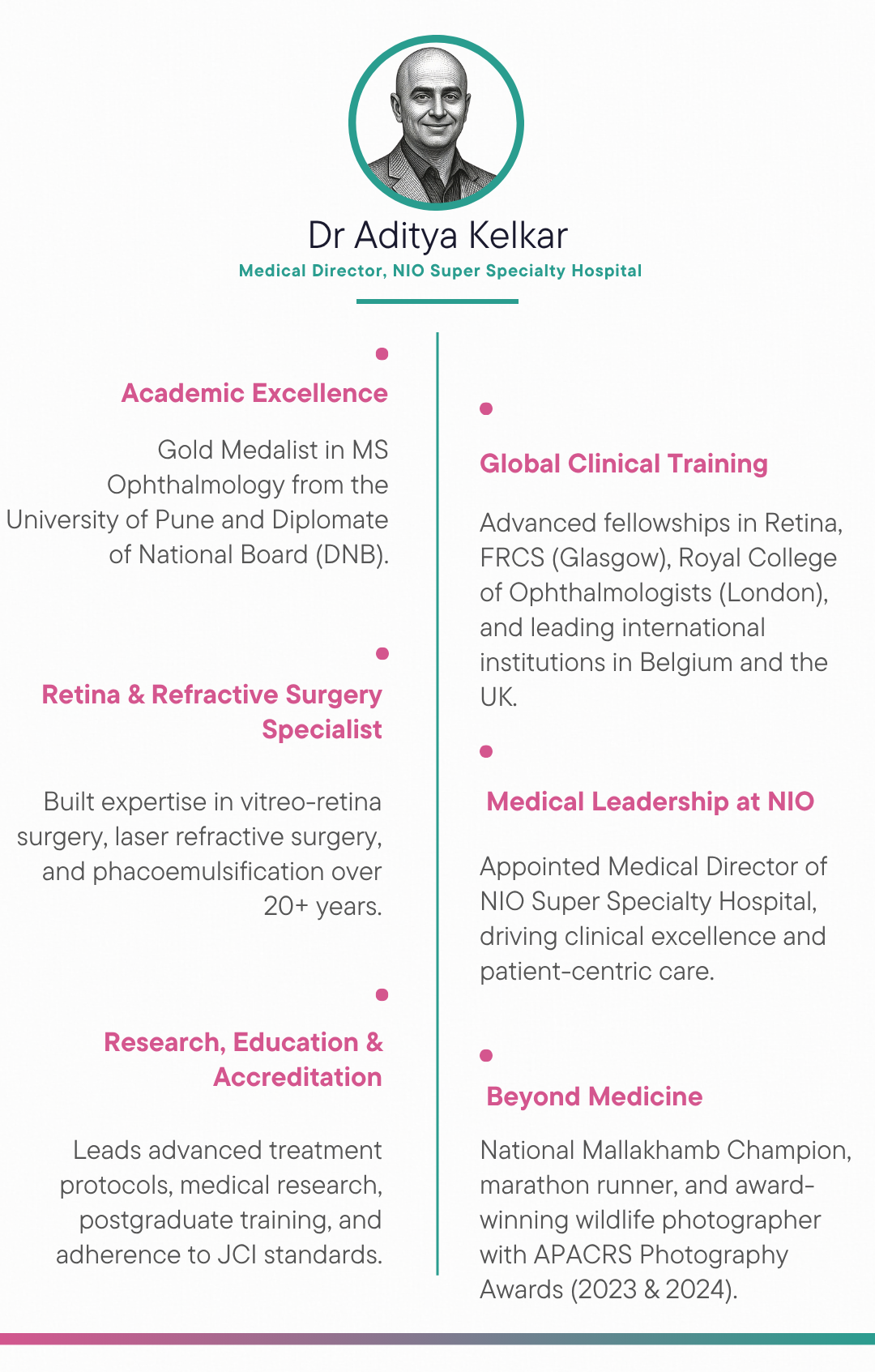
Dr Aditya Kelkar is an eminent ophthalmologist with more than 20 years of experience, currently serving as Medical Director at NIO Super Specialty Hospital, Pune.
Specialising in vitreo-retina surgery, he earned the Gold Medal in MS Ophthalmology from the University of Pune and has completed fellowships including the FRCS from Glasgow and the Royal College of Ophthalmologists, London.
In conversation with Healthcare Executive, Dr Kelkar weighs in on the NEET controversies, the coaching industry built around the exam, the push for more medical seats, and why making rural postings compulsory may waste the very specialists it sends.
Dr. Aditya Kelkar, Director, NIO Super Specialty Hospital
Where are you from, and why do you do what you do?
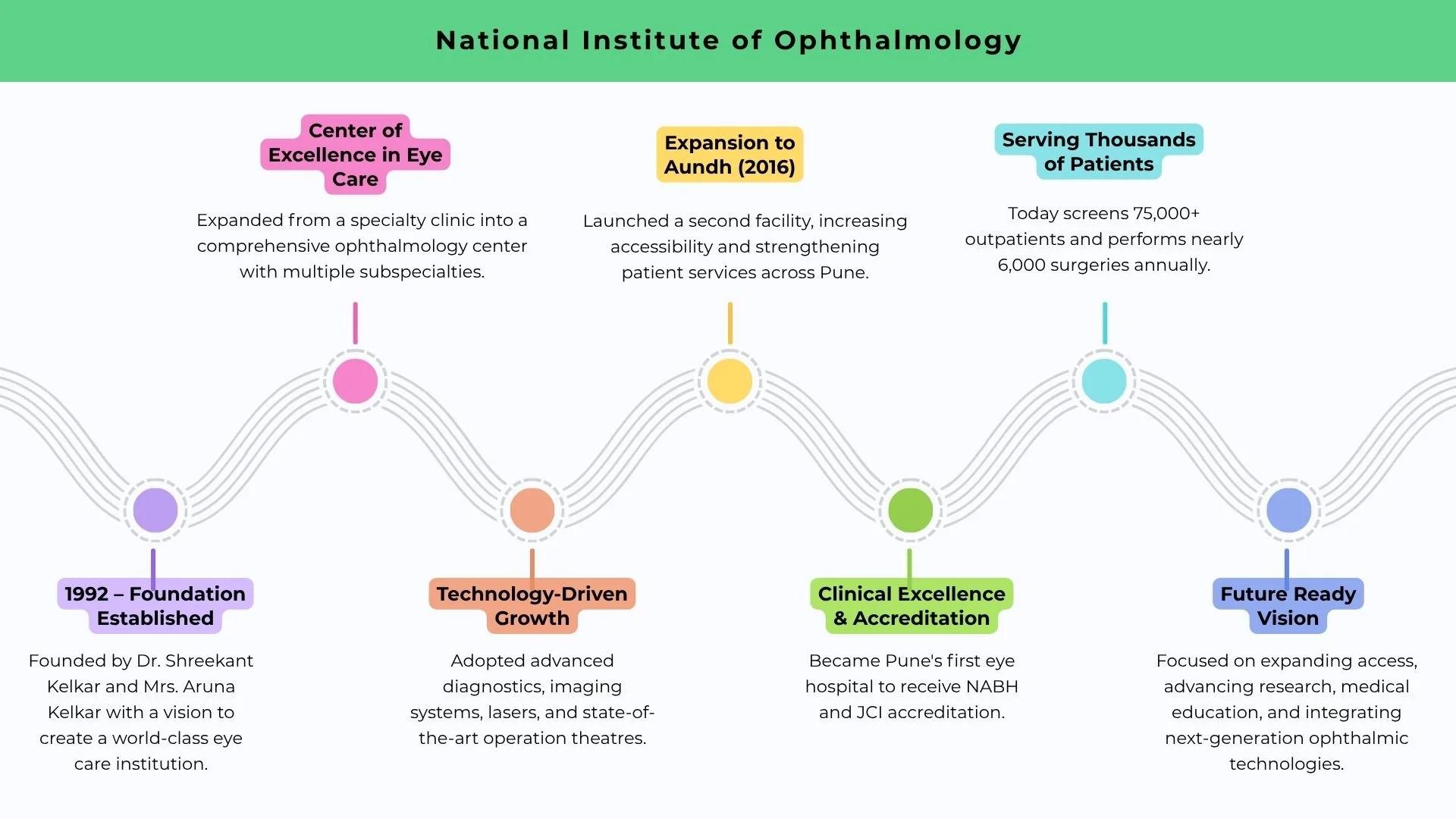
I'm an ophthalmologist. I work in the National Institute of Ophthalmology in Pune as a medical director.
Did you appear for NEET during your time, or was it a state-level entrance exam?
I was extremely lucky that I did not have to go through all this. During those days, our 12th marks were considered as the marks for admission criteria.
Does a fair exam make doctors better at helping patients?
In India, the doctor-patient ratio is extremely skewed. And if our foundation is going to be such that these exams are flawed, and there are some fraudulent practices going on, it's very discouraging.
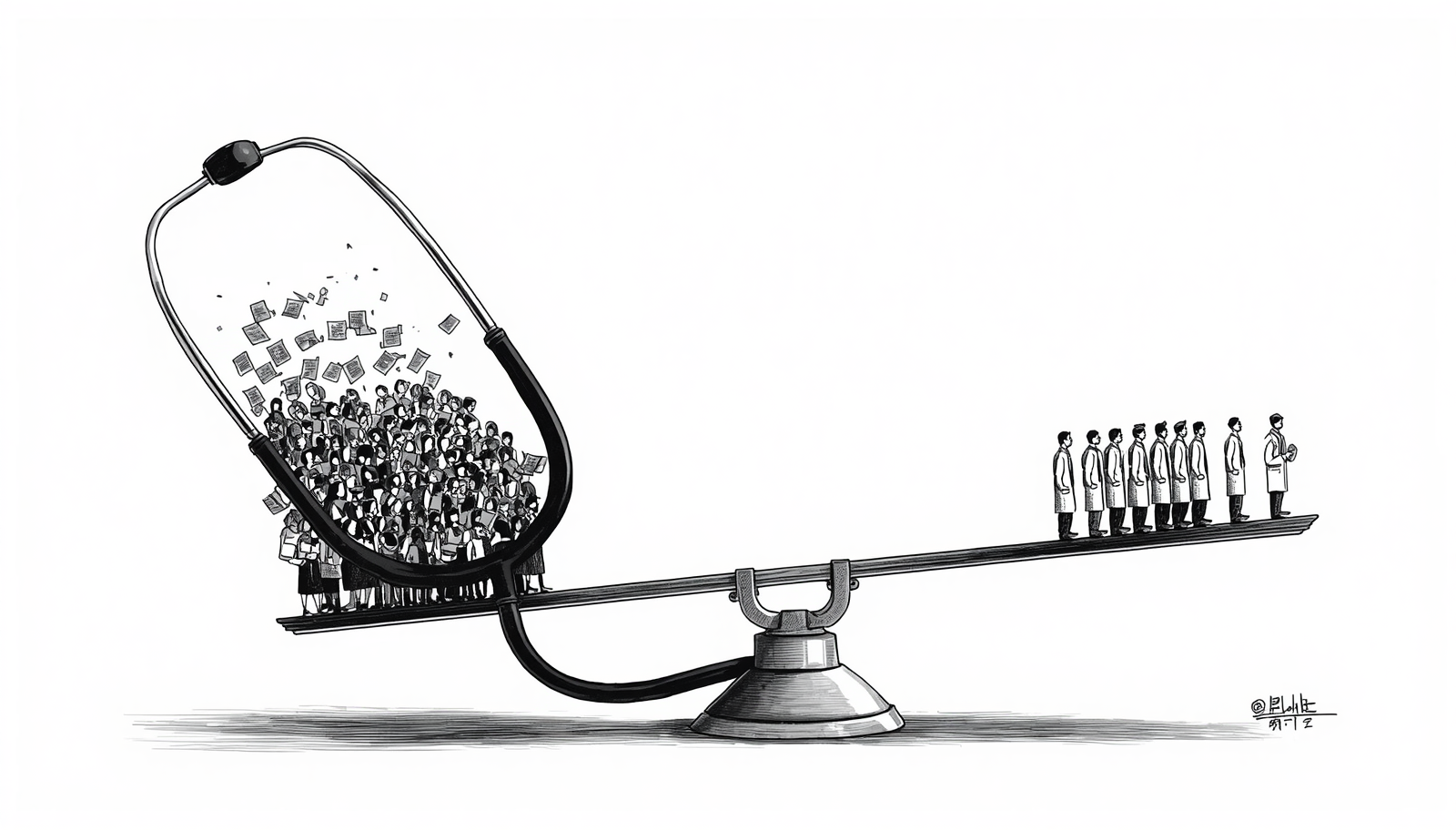
They introduced NEET to replace separate state and institute exams. That was the original concept
We do require certain form of standardisation across the country as far as the medicine is concerned. But it's not just the failure from the government, but also the people who have let this system down.
So the old system sort of favoured urban students, right?
No, not really, but even the current system. The NEET exam requires the students to join classes right from their 8th and 9th standard. It's not meant for the poor anymore.
Now they're going to make it digital from 2027. So are we just changing the problem rather than fixing it?
It is both ways. The system is working in this weird fashion because there is a demand from some dishonest people to cheat and crack this exam.
The government has announced more medical colleges and seats. Are you worried we are training students too fast?
We definitely need a lot of doctors considering our population, and we need them fast. But this cannot come at a compromise of quality. You need good teachers, good equipment to teach them, good resources.
Over 2 million students for about 1.28 lakh seats, now sitting on different days. What rules must never be broken, and who is responsible if there's a problem?
It's extremely challenging now that the exam is in the next 5 days, which is just within one month of the fiasco that happened. I believe now they have also banned Telegram.
There's also this big coaching business built on the exam system. Can you talk about that?
The students are not very happy at the teaching that happens in the college. That's one of the reasons they have to resort to joining classes. Our mentality is such that unless and until you join some tuition class, you won't be able to do good in the exams.
And a lot of students give up years, and a lot of money, for just one seat.
That kind of pressure that they go through, 23 lakh students appearing for the exam with a very limited number of seats. That's why the coaching classes boom.
Do you think the new exam format will break this entire coaching system?
I just hope that it fixes the problem, but it's a very huge problem, which can't be fixed overnight.
Doctors trained decades ago could handle complex cases, but today's doctors don't have the same skills. Do you agree?
I don't agree with this assessment. The reason why some of the complex cases are not being handled by the younger doctors nowadays is probably because of the pressure from the society to always be successful in terms of outcomes.
Younger doctors avoid complex cases partly because society blames the doctor for every poor outcome. Give me a specific example from ophthalmology. Has fear of litigation or social-media backlash actually changed which cases you or your trainees take on?
I’m already 22 years in ophthalmology so I’m that way settled with handling complex cases but new comers or younger doctors do have the fear of failure due to social pressures. It is what I’ve noticed when I interacted with them informally in various meetings or conferences. We do have fear of litigation or social-media backlash, but so far we have not refused any cases due to this. We have however taken special effort to improve our communication with patients and relatives in such risky cases, to make sure they are aware about all aspects of their condition.
Should we screen students on 12th marks, an entrance exam, or both?
There has to be some standardisation across the country, and NEET was one of the first attempts to standardise our medical education right from the entry level, which is good. Unfortunately, the execution hasn't been ideal, from both sides, from the authorities as well as the students who have found ways to crack this exam.
We still don't have enough specialists in villages. If the government adds seats and budget, what would you look at in 5 years to check if this helped patients?
Let's say I'm an ophthalmologist, and I've done my retina super-speciality training, and now you want me to go to a village. That medical setup does not have the facilities to treat a patient with retinal disorders. You are actually wasting my most valuable years and ruining my skills. Maybe there has to be something like a primary health centre, then secondary, and then the tertiary care centre. Just by making it compulsory, it may look very fancy, but you have to look into what facilities are you going to provide them to treat the patients.
Sending a retina-trained surgeon to a centre with no retinal equipment ruins their skills. Concretely, what should a posting system look like, who goes where, and how do you stop super-specialists deskilling? Is there any state or country model you'd point to that gets this right?
A posting system should match a specialist's skills with available resources and infrastructure. A proficient retina surgeon must be placed in a tertiary health center equipped with vitrectomy machines, OCT, and lasers, while general ophthalmologists and cataract surgeons can serve in secondary health centres or district hospitals. To prevent super specialty deskilling, I suggest that specialists rotate their duties between hubs and outreach centres, supported by tele-ophthalmology for supervision and screening. They should receive incentives like housing, research opportunities, and career progression , so that they can balance rural service with constant exposure to complex cases. As for successful models, some European countries can be used as an example. But one of the major factors for their success is that their population is less compared to India. With our vast and diverse population, such models might not help in getting this right.
Compared to other countries, are there any best practices you think would work here?
Compared to the international standards, I would still believe that Indian doctors are far better trained compared to the doctors abroad. We have a lot of talented doctors, and maybe we can have a proper system that would encourage these doctors to prove their merit.
During your time, what were the biggest challenges for getting a medical seat?
The seats were very limited those days. I remember there was hardly one, two seats for MS in Ophthalmology when I took up my admission, in Sassoon Hospital. But the passing percentage was very poor. The results for DNB exams have also improved from 30% to almost 75% to 80%.
DNB pass rates rose from roughly 30% to 75 to 80%. Over what period, and what changed, the candidates, the training infrastructure, or the exam itself? Are a DNB and an MS now genuinely equivalent in the operating theatre?
DNB ophthalmology passing rates in India were notoriously low in the 2000s. Mostly they used to hover around 30%. But now it has changed. Earlier exams focused on vivas and subjective assessments. As mentioned earlier many accredited hospitals lacked structured teaching, adequate infrastructure and surgical exposure. From 2013 onwards, reforms made by the National Board of Examinations brought great changes. They began to standardize assessments and implement competency based assessment exams like the Objective Structured Clinical Examination (OSCE). These OSCE‑style practicals gradually lifted the passing rates. The late 2010s saw the expansion of accredited centres, stronger faculty oversight, and a more transparent exam format, which further pushed the success rates to 75–80%. This rise in passing rate reflects systemic changes in infrastructure and evaluation, which in turn made candidates prepare and adapt over time. The NEET‑PG has also brought stronger entrants into DNB programs. In the operating theatre, a DNB graduate from a high-volume center accredited hospitals or institutes where ophthalmology trainees get extensive surgical exposure is now broadly equivalent to an MS in surgical competence. While MS retains some advantage in academic appointments, the distinction in clinical practice and patient outcomes has largely faded.
Many states oppose NEET. Tamil Nadu has fought it for years. So if half the country does not trust this test?
The whole point is that we want standardisation, and that's why we want to have one exam across the country. But because it's on such a large and huge scale, to keep tabs on is extremely difficult for this type of exam system.
One national exam works in principle, but the execution has failed, from the top and from students. If a state like Tamil Nadu says NEET shuts out its government school children, is a single national exam actually compatible with equity, or does standardisation inevitably reward those who can pay for coaching? What would change your mind?
A national level exam like NEET promises uniformity, but equity depends on its execution. Tamil Nadu’s concern is valid: government school students without access to costly coaching are at a disadvantage when the exam often rewards test‑taking strategies rather than classroom learning. Standardisation is not the problem, the problem is the gap between what the exam expects and what schools and students can currently deliver. The NEET is officially aligned with the NCERT curriculum, if supported by free resources for preparation and mentoring for disadvantaged students at the school level itself, it could become genuinely merit‑based. My mind would change if reforms ensured that success depended on aptitude and effort, not family income.
NEET coaching now starts in the 8th or 9th standard, costs a fortune, and is not meant for the poor anymore. What is it that these classes actually deliver that a school doesn't, is it content, exam technique, or just confidence? And if a 14-year-old needs paid coaching to have a chance, doesn't that mean the exam is testing what a family can afford rather than who'd make a good doctor?
Coaching institutes for NEET deliver far more than a typical school syllabus covers. They compress vast portions of physics, chemistry, and biology into exam‑oriented modules, drill students with thousands of MCQs, and teach time‑management strategies that schools rarely emphasize. The true aim of this coaching is relentless practice, pattern recognition, and confidence building, which are skills tuned specifically to attempt the NEET exam. But the cost of these activities comes to lakhs of rupees, and students nowadays start as early as class 8 or 9. An average Indian family cannot afford this amount for an extended period. The exam is becoming a test of family resources for the average middle class family, rather than aptitude for medicine, especially when a 14‑year‑old needs paid coaching to stand a realistic chance in the far future. It privileges those who can afford years of specialized training, while bright students from modest backgrounds are left behind. That distortion raises a deeper question, the same question the NEET UG paper leak has raised: Are we selecting future doctors on merit, or on the ability to buy access to exam technique?
What do you think, then, is the solution for this problem?
I really wish I knew the solution to this problem, but it's a very daunting task for anyone sitting in the administration to solve this issue.
Got a story that Healthcare Executive should dig into? Shoot it over to arunima.rajan@hosmac.com—no PR fluff, just solid leads.