Can Institutional Value Beat Metro Salaries? Paras Health Thinks So.
By Arunima Rajan
Paras Health has appointed Balkishan Sharma as Group Chief Human Resources Officer and Business Transformation Officer. In his first conversation since taking charge, Sharma tells Arunima Rajan that chasing talent through compensation alone is a losing game. "If we approach talent purely through compensation arbitrage, we will always be in a bidding war with metros," he says. "Our playbook is about creating long-term institutional value that makes professionals choose us, not just join us."
You are returning to Paras Health in a very different role from when you were here earlier. What, according to you, has changed most in the organisation and in Indian healthcare HR since you left, and what unfinished business are you coming back to solve?
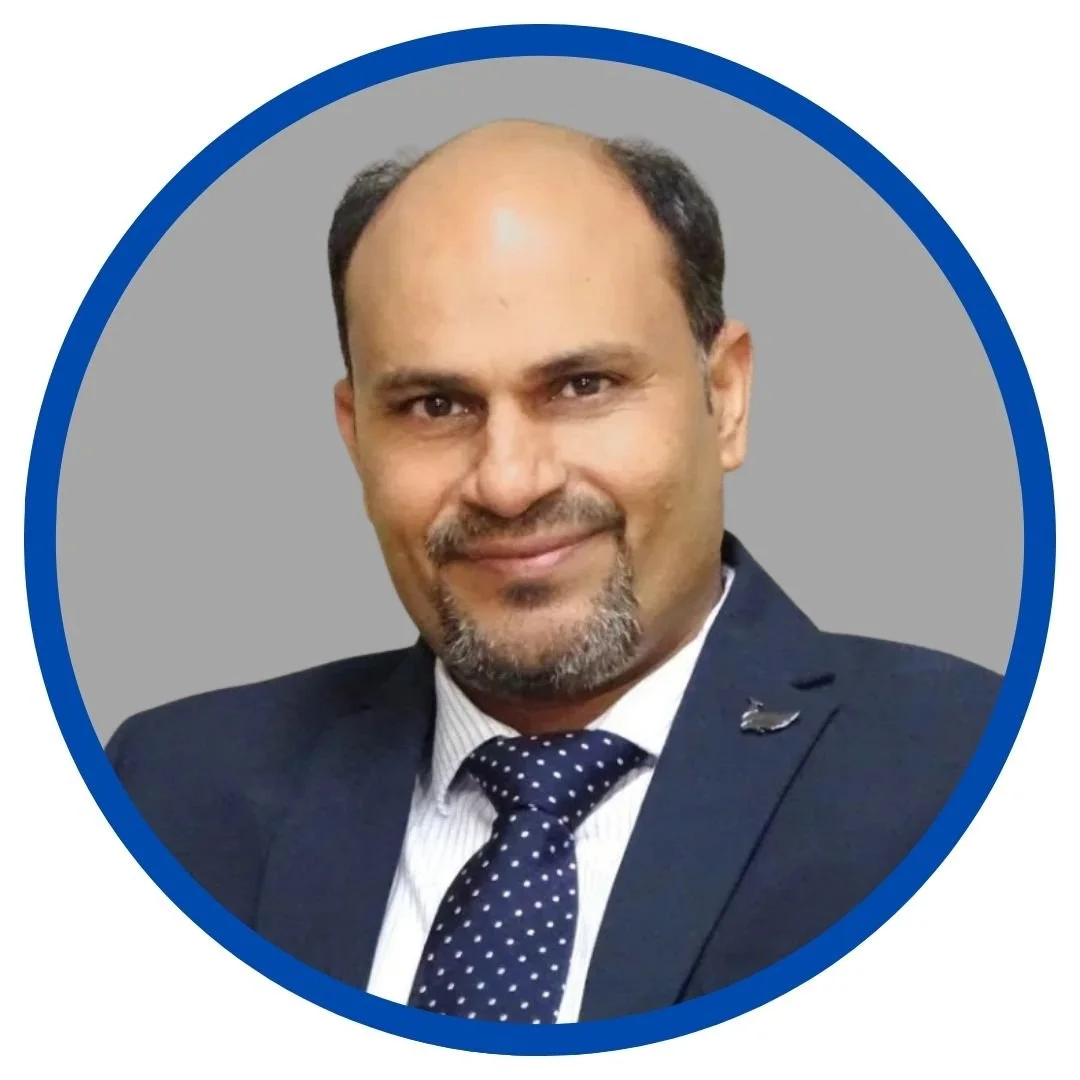
Mr.Balkishan Sharma, Group CHRO and Business Transformation Officer
This is an opportunity as well as a responsibility for me as I return to Paras Health, as the leading healthcare organization has impeccably upscaled itself in terms of innovation, offering patients world-class services. I see the organization has amplified its clinical services and is committed to deliver excellence through a well-structured, disciplined-focused environment. I also witnessed changes in healthcare HR, which nowadays is beyond recruitment and employee relations. It has drastically moved towards partnering, AI integration, digital working models, and diligent governance, while focusing on new workforce strategies that drive investor expectations and enhance patients’ results.
India's healthcare workforce is also becoming extremely competitive, with growing demand for skilled workforce and medical leaders. In this scenario it becomes very imperative to provide conducive culture to doctors, nurses and clinicians.
Regarding the unfinished business, I have returned to address remaining challenges, such as the integration of people strategy with overall business objectives. I have to make sure that our leadership goals, productivity models, and organizational culture propels long-term growth.
Your title combines Group CHRO and Business Transformation Officer, which is unusual in Indian healthcare. How do you intend to hardwire people's decisions into core business metrics like RoCE, bed occupancy, and patient outcomes, rather than treating HR as a support function?
Considering the decisive shifts in healthcare delivery, new operating models are no longer optional — they are essential. In this environment, HR plays a critical role in driving both growth and sustainability. Our mandate goes far beyond hiring; it involves ensuring the right workforce is deployed in the right roles, enabling timely decision-making, and creating absolute clarity around accountability.
With my experience in healthcare HR, I intend to embed workforce analytics into operational dashboards so that leadership teams can track productivity, skill mix, deployment efficiency, and performance indicators in real time. Decisions on staffing, scheduling, and expansion must be data-driven rather than reactive.
I have also worked extensively on clinician structuring models that align competency frameworks, caseload distribution, and performance benchmarks to service-line growth. Recruitment planning will be tightly integrated with expansion strategies and specialty development so that talent acquisition becomes proactive rather than episodic.
Most importantly, HR decisions will be treated as capital allocation decisions. In healthcare, talent is the single largest lever of value creation. Every hiring, training, and leadership development investment must have a measurable impact on service quality, patient outcomes, and financial performance.
When designed thoughtfully, these interventions will directly influence critical business metrics — including bed occupancy, clinical outcomes, productivity ratios, and Return on Capital Employed (ROCE). Sustainable growth in healthcare begins and ends with disciplined people strategy
You have seen three very different healthcare cultures up close. If you were to draw a candid culture map, what is the sharpest edge Paras must develop in the next three years to stay relevant in a market where talent is courted by big chains and digital health startups alike?
India’s healthcare sector is becoming competitive, and to stand out in the market, Paras Health must strengthen its execution excellence while protecting its entrepreneurial agility. In the upcoming years, we must prioritise deep leadership expertise combined with structured discipline. This will not only reshape its value in the market but also augment trust, gain public visibility, and attract patients across locations.
At this juncture, it is important to have leaders who make quick yet decisive decisions and steadily adapt to the growing culture of innovation that offers not only faster and real-time outcomes but also gains trust among patients. Additionally, it is equally important to offer transparent performance trackers to acknowledge talented personnel and incentivize them.
Everyone talks about “high performance culture,” but on the ground it often translates into burnout, attrition, and doctor dissatisfaction. What non-negotiable design principles will you use so that Paras can push performance without breaking its clinicians, nurses, and frontline staff?
Performance should be driven by systems and support, not pressure and unpredictability. While there is a rapidly growing culture of high performance in not just the healthcare sector but across sectors, it cannot come at the expense of human sustainability. My approach is to design principles that build a culture of transparency, empowerment at every level, and inclusivity across functions. People perform best when they clearly understand expectations, have access to the right tools and leadership support, and feel trusted to take decisive action. Clarity reduces anxiety; structure improves accountability.
While outcomes will always matter — especially in healthcare, where results directly impact patient lives — we must also establish clear boundaries and systems that prevent burnout. High standards should coexist with psychological safety. Productivity should be supported by process design, workforce planning, and leadership maturity — not by constant firefighting.
Paras operates in Tier 2 and emerging markets that often struggle with attracting and retaining specialists. What is your playbook for building a sustainable talent pipeline in these cities so you are not constantly overpaying for lateral hires or losing people to metros?
The answer lies in building ecosystems, not transactions. If we approach talent purely through compensation arbitrage, we will always be in a bidding war with metros. Instead, our playbook focuses on creating long-term institutional value that makes professionals choose us — not just join us.
First, we will strengthen our academic and clinical training programs to create a steady pipeline of future specialists. By investing in structured residency programs, fellowships, nursing academies, and skill-building platforms, we can “grow our own talent” rather than relying excessively on expensive lateral hiring. This also ensures continuity of patient care and alignment with our clinical protocols from the outset.
Second, we will intentionally develop local leadership in Tier 2 markets. Many professionals from these regions prefer to build meaningful careers closer to home if given the right exposure and growth opportunities. By investing in leadership development, mentoring, and succession planning, we reduce dependency on external hires and build stable, committed teams.
Third, retention must be driven by a compelling value proposition — not just salary. Specialists in emerging cities seek professional autonomy, modern infrastructure, transparent governance, and clarity of expectations. We will focus on creating an environment where clinicians can practice high-quality medicine, access updated technology, participate in continuous learning, and maintain a better quality of life than metros often allow.
Finally, engagement and belonging are critical. When professionals feel respected, empowered to make decisions, and connected to the organization’s purpose, attrition reduces naturally. Our goal is to make Paras not just a workplace in Tier 2 India, but a destination for meaningful and sustainable medical careers.
In short, the strategy is simple: build capability locally, invest in growth internally, and create an environment where talent chooses stability over constant migration.
You have led HR digitisation and operational efficiency earlier. When you look at the employee lifecycle at Paras today, which three moments of truth would you re-architect first using technology and data, and what will success look like in hard numbers?
The primary task is to reshape hiring and onboarding. We will enhance digital systems to monitor recruitment processes, which will efficiently limit turnaround time and strengthen the quality-of-hire metrics. For us, growth would mean processing small-scale hiring cycles and improved retention of employees in their primary first years. Our second focus will be performance management. We will work on performance appraisal systems that will replace subjective assessments of doctors, clinicians and other staff with performance-based insights
In essence, digital tools will streamline productivity outcomes, and patient satisfaction scores. The third is workforce planning and deployment. We will use data predictive analytics to optimize nurse and technician allocation. This will essentially cut down overtime expenses incurred on hospitals and improve patient throughput. In hard numbers, we will potentially witness better workforce cost, and reduced attrition in crucial roles.
Healthcare is grappling with ethical grey zones, incentives, dual practice, contract staffing, and now AI in clinical workflows. How will you embed values and governance into everyday HR policies so that “values-driven culture” does not remain a line in a press release?
While all the challenges mentioned above are rational, not every organisation may face similar challenges. Paras is already a leading healthcare organization that has gained trust among patients. In case of AI integration, we will make sure there are preventive measures that handle data privacy and patient confidentiality. While training on ethical practices will be embedded in leadership development initiatives and will be thoroughly shared with the workforce. Additionally, there will be governing bodies that will examine and review sensitive cases. We will make sure that performance metrics reward ethical compliance alongside productivity.
If we were to meet three years from now, what are the 3 or 4 brutally honest metrics on your dashboard, beyond engagement scores and attrition, by which you would want the board, doctors, and nurses to judge whether you actually transformed Paras Health?
Primarily, a comprehensive improvement in workforce productivity indicators. Secondly, I would like to be judged on bolstered leadership bench strength, displayed in internal growth coverage for major roles and responsibilities. Third, bridging stability in critical clinical roles across multiple locations, making sure there is valuable retention. Fourth, building a cohesive link between people’s initiatives and patient-centric results, such as improved patient satisfaction and limited operational challenges. If these metrics illustrate reasonable improvement, it would mean that my strategies moved from paper to systematic execution.
Got a story that Healthcare Executive should dig into? Shoot it over to arunima.rajan@hosmac.com—no PR fluff, just solid leads.