
From Command to Clinics: What India's Dental Sector Can Learn from the Armed Forces Healthcare System
By Lt Gen Dr Vimal Arora (Retd) PVSM, AVSM, VSM & Bar, Chief Clinical Officer, Clove Dental

From a Dental Platoon to Heading a Corps
My command journey began in 1977 as a young Lieutenant, when I was entrusted with the responsibility of commanding a small dental platoon. Over the next four decades, that journey evolved through several operational and leadership roles, eventually leading to the privilege of serving as the Head of the Army Dental Corps with the rank of Lieutenant General and Colonel Commandant of the Corps.
The Armed Forces give you the opportunity to grow not only as a clinician, but also as a leader who understands processes, protocols, and people. Throughout my career, I was fortunate to be involved not only in clinical practice but also in improving the standards of dental practice through improvement in the infrastructure and armamentarium across the field areas and peace units. My thrust area was to improve the skillsets and introduce the most recent technology to enable our professionals to deliver world-class dentistry. My initiatives were always focused on keeping the larger picture in mind and bringing in credibility to the treating doctors.
When one spends nearly forty years in uniform, retirement is often seen as the natural culmination of a career. Yet for many of us who have spent decades handling operational challenges and building systems that function under challenging circumstances, the instinct to continue contributing to dentistry remains strong.
Choosing to Build Again
After retirement, I consciously chose not to pursue the more traditional paths many senior officers take, like roles in academia, advisory positions, or government institutions. Instead, I wanted to be part of building something from the ground up.
In 2015, I joined Clove Dental when the organisation had just 26 clinics. The vision of creating a nationwide dental ecosystem that would combine ethical treatment, world-class sterilisation standards, and employment opportunities for thousands of young dentists immediately resonated with me.
What attracted me most was the possibility of applying the same principles that guide military healthcare, i.e., structure, accountability, and consistency, within a rapidly growing civilian healthcare organisation. I was convinced by the vision of Mr Amar Singh, the CEO of the company, and the foresight of our Group Chairman, Mr Louis Shakinovsky, to build 500 dental clinics across the country, managed under my command.
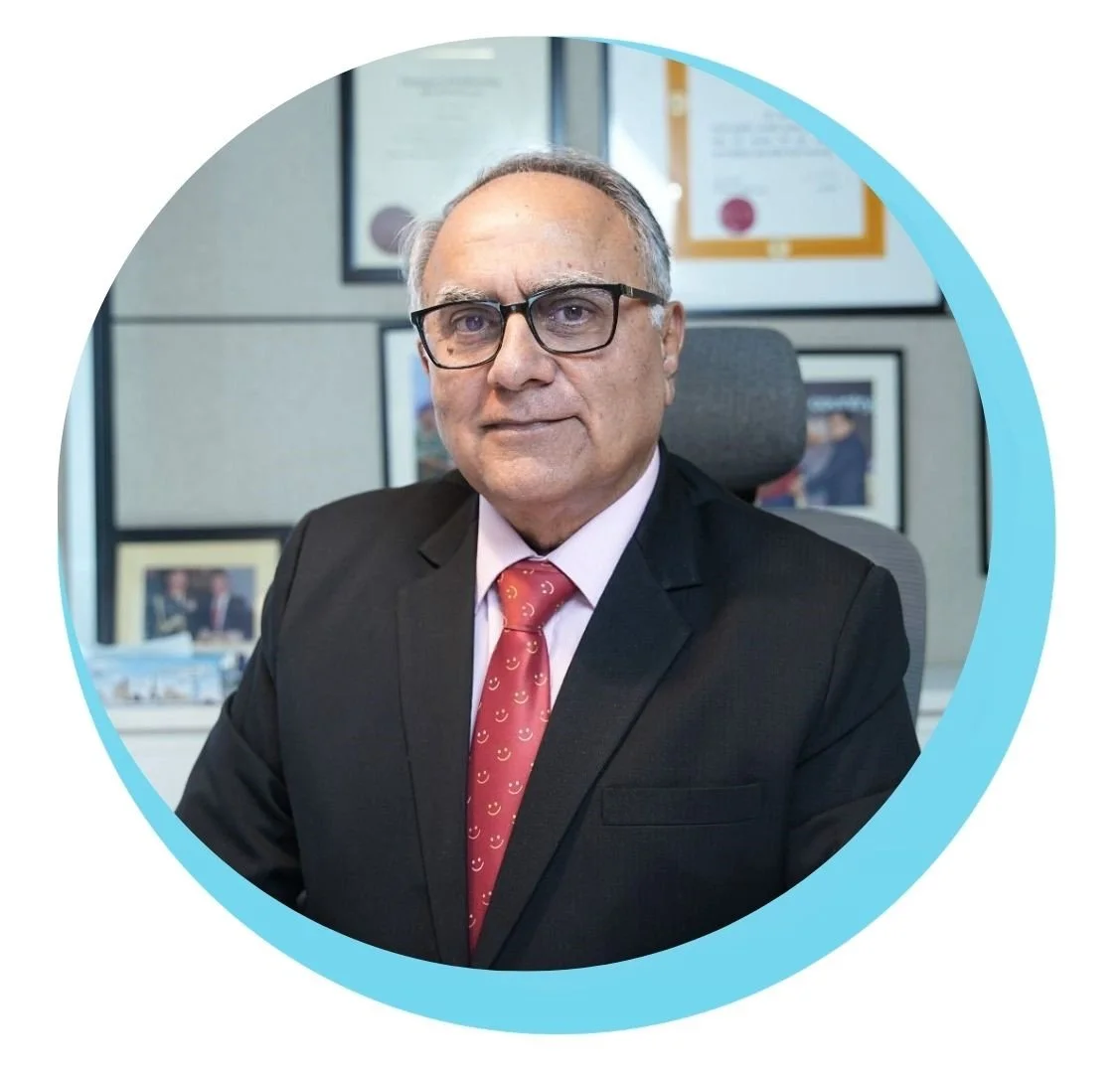
Lt Gen Dr Vimal Arora (Retd) PVSM, AVSM, VSM & Bar, Chief Clinical Officer, Clove Dental
Bringing Military Systems into Civilian Dentistry
The Armed Forces instill discipline and punctuality, but more importantly, they expose you to how to build systems that function efficiently across large and complex organisations.
Transitioning from a military command structure into the civilian healthcare sector, however, requires humility and adaptation. In the Armed Forces, authority flows through rank and command. In civilian health, leadership must be earned through credibility, experience, and trust.
When I joined Clove Dental, my first task was to help create an organised structure that could support clinics across the country through strong administration, logistics, training, and clinical governance. The aim was to establish clear roles and responsibilities while ensuring uniform standards of care across the network.
During my years in the Armed Forces, I had always believed that leadership meant not only planning strategies but also executing them effectively down to the last operational detail. That belief proved invaluable while building systems at Clove Dental.
Leading Through Professional Credibility
The only way to manage a large network of dental clinics and dental professionals is to lead from the front. This leadership must extend beyond clinical treatments to areas such as leadership, man-management, and administration. Such leadership is only possible when one earns the respect of the team. That respect comes when professionals recognise and accept their leader as someone who can guide them, understands the profession in depth, and genuinely looks after their interests. By adhering to these basic principles, I was able to bring people together and build an organisation that stands united as one force.
My experience in the Armed Forces gave me a broad understanding of dentistry beyond my own specialty, and that professional grounding helped shape the systems we built at Clove Dental. Today, Clove Dental has grown to more than 715 clinics across 26 cities, with over 1,700 dental surgeons and nearly 2,000 para-dental staff. Over the years, these clinics have earned the trust of patients across the country as a dependable partner for oral healthcare.
A Fundamental Difference in Approach to Oral Health
Working in both environments has highlighted an important difference between the Armed Forces healthcare system and civilian dentistry in India. In the Armed Forces, oral health is not optional; it is operationally essential.
Every soldier must remain physically and mentally fit to perform duties in demanding environments, whether in deserts, mountains, at sea, or in the air. Dental fitness, therefore, forms an integral part of operational readiness, because even something as simple as a severe toothache can compromise effectiveness during duty.
For this reason, structured dental inspections have been conducted in the Armed Forces for decades. Personnel undergo periodic dental examinations and are categorised through a triage system that prioritises treatment needs.
Commanding officers are responsible for ensuring that every soldier is examined and treated so that the unit remains “fighting fit.” This preventive discipline forms the foundation of military dental care.
The Civilian Reality
When we compare this with civilian dentistry in India, the contrast becomes evident. Over the past three decades, India’s dental sector has expanded rapidly. Today, the country has more than 300 dental colleges producing over 35,000 dentists annually.
Yet despite this growth, oral healthcare continues to remain a low priority for a large section of the population. Studies indicate that fewer than 6% of Indians actively seek dental care during their lifetime. With more than 3.5 lakh registered dentists and thousands of clinics across urban centers, the challenge is not merely the availability of professionals but awareness and accessibility.
The gap becomes even more pronounced in rural India, where affordable dental services remain limited. Addressing this challenge will require sustained public awareness and stronger efforts to make preventive oral healthcare a routine part of everyday health behaviour.
Translating Military Healthcare Principles into Civilian Dentistry
India’s dental ecosystem has grown rapidly in terms of professional capacity and infrastructure, yet the challenge now lies in strengthening how care is delivered. The Armed Forces healthcare system demonstrates how preventive discipline, integration with broader medical care, and innovative delivery models can make healthcare more organised, accessible, and outcome-focused.
Preventive-first care: Regular dental screenings enable early detection and treatment before conditions progress into complex disease.
Integrated healthcare: Closer coordination between dentists and physicians can help identify systemic health conditions that often present early signs in the oral cavity.
Expanding rural access: Mobile dental units and outreach models can help bridge the gap in oral healthcare access across underserved regions.
Standardised systems: Structured protocols, accountability, and consistent clinical standards can strengthen trust and quality across the dental sector.
The Armed Forces healthcare model demonstrates how discipline, structure, and preventive planning can build a resilient system of oral care. Translating some of these principles into civilian dentistry could help transform how oral healthcare is delivered in the country, truly carrying the lessons from command to clinics.
Got a story that Healthcare Executive should dig into? Shoot it over to arunima.rajan@hosmac.com—no PR fluff, just solid leads.