This World Health Day, ‘Stand with Science’ Meets India’s Trust Deficit
By Arunima Rajan
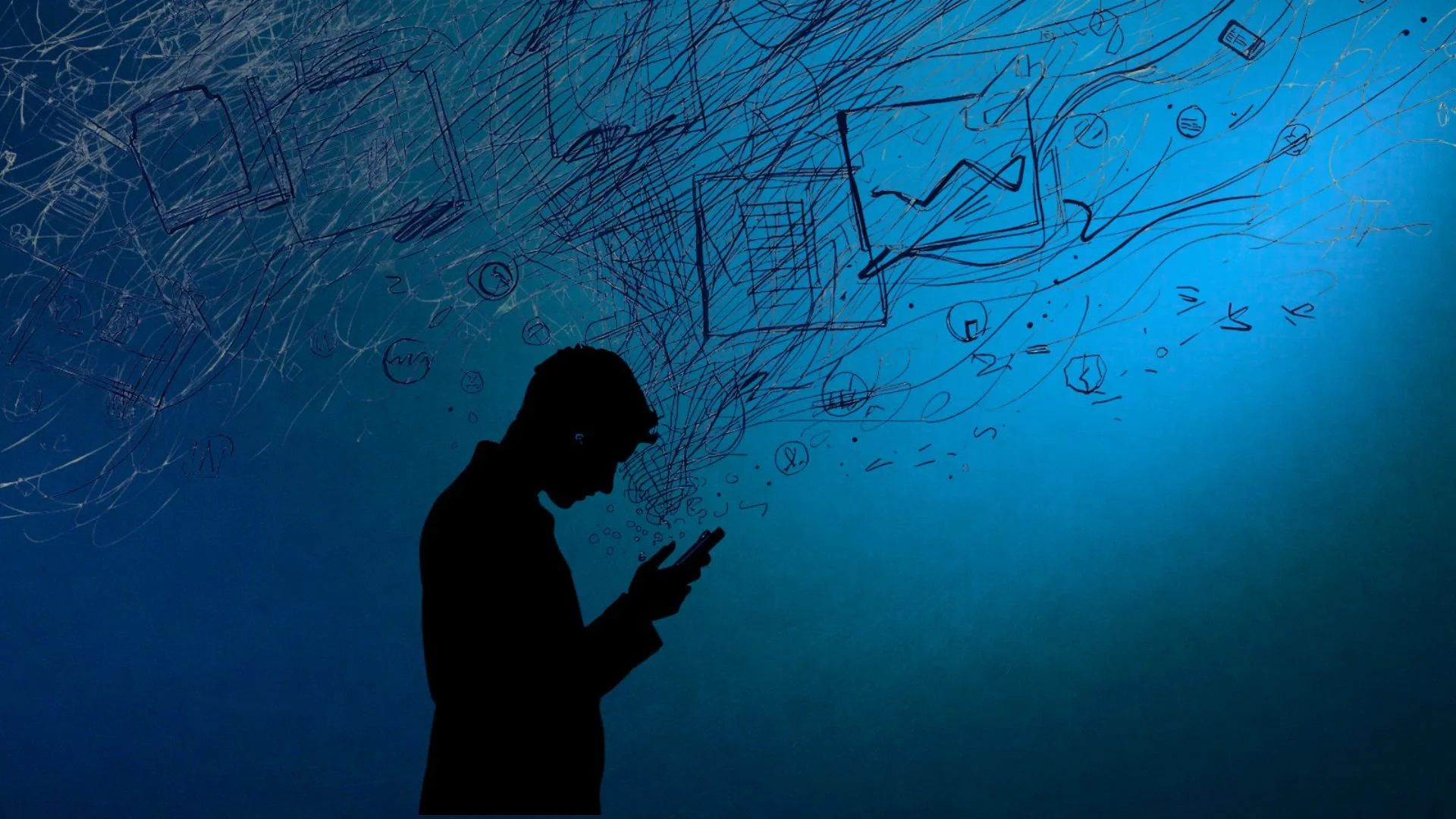
The answer to the WhatsApp diagnosis is not just more science, but healthcare that explains itself better, listens longer and gives patients reason to believe.
"A young patient who came to my OPD with severe back pain. He was barely in his early 30s but was absolutely convinced, because of a widely circulated WhatsApp forward, that his symptoms were due to a slipped disc that would inevitably lead to paralysis if not immediately treated with traction and prolonged bed rest. By the time he came to me, he had already been lying down for almost two weeks, avoiding all movement out of fear. Ironically, this had worsened his stiffness, muscle spasm, and overall recovery. On proper clinical evaluation, there were no red flag signs, no neurological deficit, just a routine mechanical back pain that would have improved much faster with early mobilization, physiotherapy, and reassurance, " says Dr. Rohan Krishnan, Chief Patron and Co-Founder, Federation of All India Medical Association(FAIMA); Senior Orthopaedics Surgeon, New Delhi
He continues: "The real risk is not just wrong information, it is misplaced conviction. When a patient believes something strongly before even meeting a doctor, the consultation shifts from diagnosis to deconstructing that belief, and sometimes, valuable time is lost in the process."
This is not an isolated consultation. It is now part of routine outpatient consultations. “This happens more than people realise, and with the growing volume of information on the internet, almost every week, in some form or another,” says Dr. Akanksha Gupta, Consultant, Internal Medicine, Regency Health, Lucknow.
She recalls a woman in her early forties who came to her OPD after losing sleep for weeks, not because of a physical symptom, but because of a long, alarming message circulating on a family WhatsApp group. The patient had read through a list of warning signs, checked herself against them, and convinced herself that she had at least five.
“When she sat down, she had her phone out, ready to show me the message. She was not anxious in an irrational way. She was a careful and intelligent person who had taken the information seriously. That is what I had to respect first,” Dr. Gupta says.
What emerged, after conversation and examination, was not the grave condition suggested by the forward, but exhaustion, inadequate nutrition, and family stress. “Nothing in that forward was relevant to what was actually going on with her,” she says.
Yet, Gupta adds, the consultation left her with a second thought. “What I wish I had done more consciously was to name what she had done right. She came in. She did not just sit with the fear, but acted on it. That deserves acknowledgement. Because the real danger is not only the patient who comes in with a wrong WhatsApp diagnosis. The real danger is the one who reads the same message, gets scared, and stays home.”
WHO's 2026 World Health Day theme is :"Together for Health. Stand with Science." The slogan, while necessary, barely scratches the surface of what's broken.
" I DON'T TRUST MY DOCTOR"
Industry research from EY–FICCI finds that more than four in five Indian patients now demand transparent, objective information on hospital quality, and nearly nine in ten say they would pay more for certified quality, underlining how fragile trust is in the hospital market. In fact, 77% of doctors face workplace violence. Nearly 1 in 2 young adults believe a layperson can know as much as a doctor. Patients trust a social media influencer, but they don't trust the doctor standing in front of them.
For doctors, this erosion is visible inside the consultation room.
“There is a moment in practice when you realise that being clinically right is not enough. Trust has to be earned separately from competence,” says Dr. Gupta.
She traces that recognition to a patient she had diagnosed correctly and counselled clearly, or so she believed. The patient never returned for follow-up. When she eventually did, months later, the condition had progressed. “When I gently asked what had happened, she said, ‘I did not really understand why you were so sure.’ That stayed with me,” Gupta says.
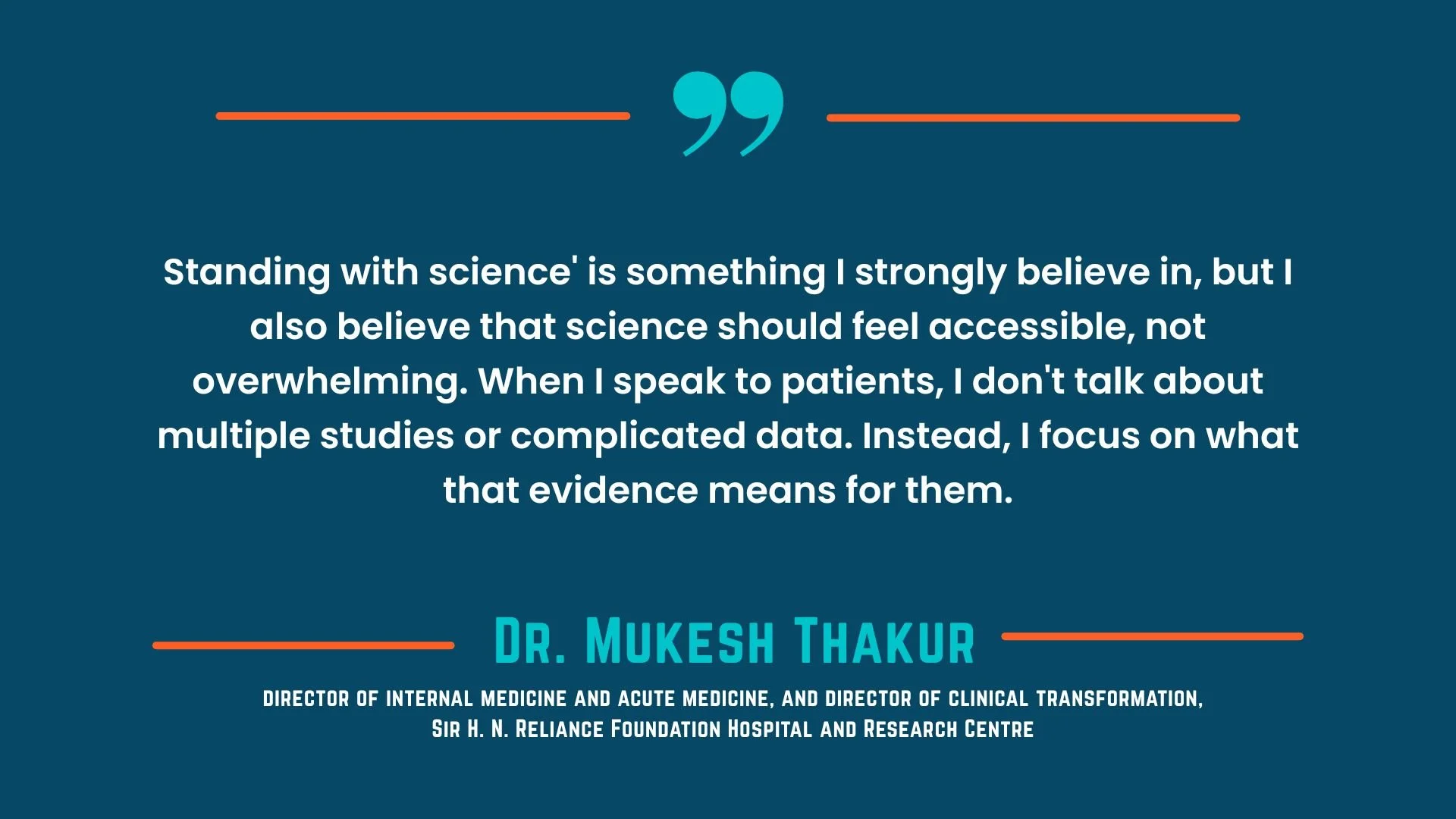
The episode altered her understanding of clinical authority. “I had been clinically right, but I had not brought her along with me. She needed to understand my reasoning, not just receive my conclusion. Confidence without communication is incomplete medicine. Competence opens the door; trust is what makes a patient walk through it and stay.”
"WHO has talked about workplace stress, safety and physician burn out several times. WHO is sensitive to the needs of the Health Care Workers. Stand with Science is a good slogan for contemplation. These are times when pseudoscience is gaining traction," says Dr. R V Asokan, former national president, Indian Medical Association.
He continues: "Supreme Court judgement calling patients as consumers opened the floodgates of litigations and violence against doctors and hospitals. Now the situation is beyond redemption. Even the Hon. Supreme Court can't set the clock back. That era is gone. This is an era of employee doctors and corporate managements. An era of commerce, profit, litigations and violence. No exit option," adds Asokan.
The trust deficit runs both ways
Ravi Duggal, a public health researcher has a different take on the issue.
"The trust deficit works both ways. The public system is losing credibility because it is not investing enough and the private sector is more interested in profiteering than providing rational care," says Duggal.
While Asokan says the legal framework turned patients into adversaries. Duggal says the system gave patients legitimate reasons to become adversaries. Neither side invented the distrust. The system did.
"WHATSAPP TOLD ME FIRST"
"WhatsApp forwards present worst-case scenarios as inevitabilities, promote outdated or incorrect treatments, and remove context. What applies to one patient is generalized to all," adds Krishnan.
Gupta sees the same distortion from the other side of the desk. “The problem is not that patients have done research. The problem is that the content they consume is built to hold attention, not to assess a specific condition,” she says. “There is a significant difference between information that may be generally true and a diagnosis that is right for you.”
So what does a doctor do when a patient arrives after weeks or months of online health content?
“In fifteen minutes, the first thing I do is ask what worried the patient most about what they read. Not to dismiss it, but to understand where the anxiety is rooted,” Gupta says. “From there, I can explain what the evidence actually shows, what genuinely needs investigation, and what does not.”
Her aim, she says, is not simply compliance but clarity. “By the end of the consultation, my goal is that patients leave with more clarity than they came in with, and that the plan we have agreed on feels like theirs as much as mine. When patients feel included in the reasoning, they follow through.”
"At THIP, the most common misinformation clusters fall into three categories: treatment shortcuts, fear-driven narratives, and 'natural cure' superiority claims. We frequently see viral claims such as 'diabetes can be reversed permanently with home remedies,' 'cancer can be cured without chemotherapy,' or 'vaccines weaken immunity.' These are often amplified through WhatsApp forwards, short videos, and influencer-led content," says Sudipta Sengupta, Founder and CEO, The Healthy India Project (THIP).
"In OPDs, doctors report patients delaying treatment because they are trying alternative remedies first. By the time they come in, conditions are often more advanced. In vaccination drives, hesitancy is no longer just about access — it's about belief. Parents are more questioning, sometimes selectively accepting vaccines, or spacing them out based on misinformation," adds Sengupta.
India ranks #1 globally for misinformation risk. According to one study, 70.4% of OPD patients make health decisions from social media. Only 44.7% verify with a doctor. The WhatsApp diagnosis is not anecdotal. It is the norm.
Duggal reframes the problem as systemic, not just digital: "Over the years the declining investment in public health has pushed people towards the private health sector which more often than not is based on irrational and unethical medical practice and thrives on it because there is no regulation. Further the internet age has made both information and misinformation available easily and this has promoted self-medication and treatments in the absence of regulatory mechanisms.” “The high volume of misinformation leads to unscientific and unethical behaviour amongst both people and providers," adds Duggal
Duggal connects the WHO's "Stand with Science" theme directly to a domestic policy choice. The misinformation crisis didn't happen in a vacuum. It grew in the space left by declining public investment and the absence of regulation.
The Tools Aren't the Enemy
"Patients now have greater opportunities to engage with science and improve communication with their doctors. Many people now rely on social media, Google searches, and even AI tools such as ChatGPT as their primary sources of information. Patients should be cautious about using these as primary sources of medical guidance. Instead, these tools can be used to help identify the right medical professionals and to formulate thoughtful questions to ask their own physicians,” says Dr. Dominique Aimee, paediatric anaesthesiologist, New York, co-host of No Other Skills, M.D podcast.
"Having clear, focused questions about their health can empower patients and help doctors use limited clinical time more effectively," adds Aimee.
"Two immediate shifts need to happen. First, we need to start health education early — at the school level — and then take it beyond schools into communities. Building scientific temperament is not optional anymore. People need a basic understanding of anatomy, common health conditions, and how treatments work. Without this foundation, even accurate information — whether from doctors or digital platforms — can be misunderstood or misused," says Sengupta.
"Second, we need to address the deteriorating doctor–patient relationship. The number of social media influencers who start their unscientific posts with 'Your doctor doesn't want you to know this secret cure' is mind-boggling. There is no punishment for the irreversible harm such posts are doing to society by sowing a deep distrust of the medical fraternity. We cannot stand with science without standing with the people who practice it," he adds.
Clearly, Krishnan's back pain patient arrived with the wrong answer. Aimee is arguing the same tools could have helped him arrive with the right questions instead. The difference between misinformation and health literacy isn't the platform. It's the absence of guidance.
SHOULD I POST THIS?
India now has about 12,400 medical professionals actively creating content. They are doing exactly what the WHO is asking for: translating science into accessible, public-facing communication. But the regulatory framework hasn't kept pace.
"The NMC guidelines on ethics and etiquette 2023 kept in abeyance is a progressive document allowing social media interactions for doctors," says RV Asokan.
The NMC wrote guidelines to enable doctor-led science communication, then shelved them. Advertising Standards Council of India has updated its influencer rules for health. The result: doctors who step up to counter misinformation online are operating without institutional protection. The WHO says stand with science. The regulator says: we'll get back to you.
"Bringing evidence based medicine back to centre stage is critical and the responsibility for this rests on public health, the private sector and all of us,"adds Duggal.
If the responsibility is shared, then hospitals need to decide whether they are going to back their doctors online or leave them exposed. The current default is silence.
A first-person doctor-creator voice. Consider a follow-up to Krishnan asking whether FAIMA members who post health content feel protected or exposed. Maxivision's institutional stance would also work here.
WE BUILT A BRAND, BUT TRUST IS STILL PERSONAL
"The inadequate investment in public health, depriving it of resources and not following its own norms of Indian Public Health Standards has damaged the image of the public health system and led to the uncontrolled and unregulated expansion of private for profit medicine which more often than not is unethical and unscientific," says Duggal.
If Duggal is right, then no amount of hospital branding, NABH accreditation, or patient feedback forms can overcome the structural credibility deficit. Patients don't just distrust their doctor. They distrust the system that produced the doctor, the hospital that employs the doctor, and the regulator that is supposed to hold both accountable.
"Healthcare operates in silos. Hospitals focus on treatment, while patient education is often fragmented or outsourced. Right now, many patients leave hospitals with unanswered questions. They turn to non-credible sources, which not only leads to confusion but also erodes trust in doctors and institutions," says Sengupta.
"A collaborative model between hospitals and organisations like THIP can change this — from reactive clarification to proactive education. This can include co-created patient education content, structured communication support for clinicians, and ongoing dissemination of simple, verified information across digital and physical touchpoints within the hospital. Doctors can reduce consultation time spent on explaining basics repeatedly, while patients begin to come in better informed, asking more relevant questions and participating more meaningfully in their care," he adds.
Patients seeking Alternatives aren't always Wrong
"There are many who desire an intersectional whole-person approach in a system that seeks to reduce them to one problem per visit," says Dr. Siri Chand Khalsa, board-certified internal medicine, lifestyle medicine and integrative medicine physician; faculty, UCI Susan Samueli Integrative Health Institute.
"The ability of the average practitioner and patient to grasp and implement that has become more confusing, with marketing and social media becoming the dominant engine through which people receive and interpret health information," adds Khalsa.
"As physicians, we need to find pathways that bring our wisdom and voice to the forefront. With our combined grounding in science and real clinical hours, we need to be spokespeople for what is possible and realistic, not for quick fixes,” adds Khalsa.
Khalsa names a gap that Duggal's structural critique doesn't fully cover. Some patients leave evidence-based medicine not because they're misinformed, but because the system offers them a seven-minute consultation when they want a whole-person conversation. The solution isn't just better communication. It's a broader definition of what evidence-based care includes.
Thangarajan on what "standing with science" actually requires
"Standing with science means more than supporting research in principle. It means acting on evidence when it shows where health risks are already growing. In climate and maternal health, rising heat and extreme weather are linked to worse pregnancy outcomes and greater mental health strain around pregnancy and childbirth. Science only protects people when institutions are willing to turn evidence into prevention, protection, and care," says Dr. Saravanan Thangarajan, clinician and public health researcher, Harvard T.H. Chan School of Public Health and Ariadne Labs, Brigham and Women's Hospital
Thangarajan definitely makes a strong point. "Stand with Science" means nothing if institutions aren't willing to act on what the science actually shows. That applies to climate and maternal health, and it applies equally to the trust crisis in Indian OPDs. The evidence is clear on what's broken. The question is whether institutions will act on it.
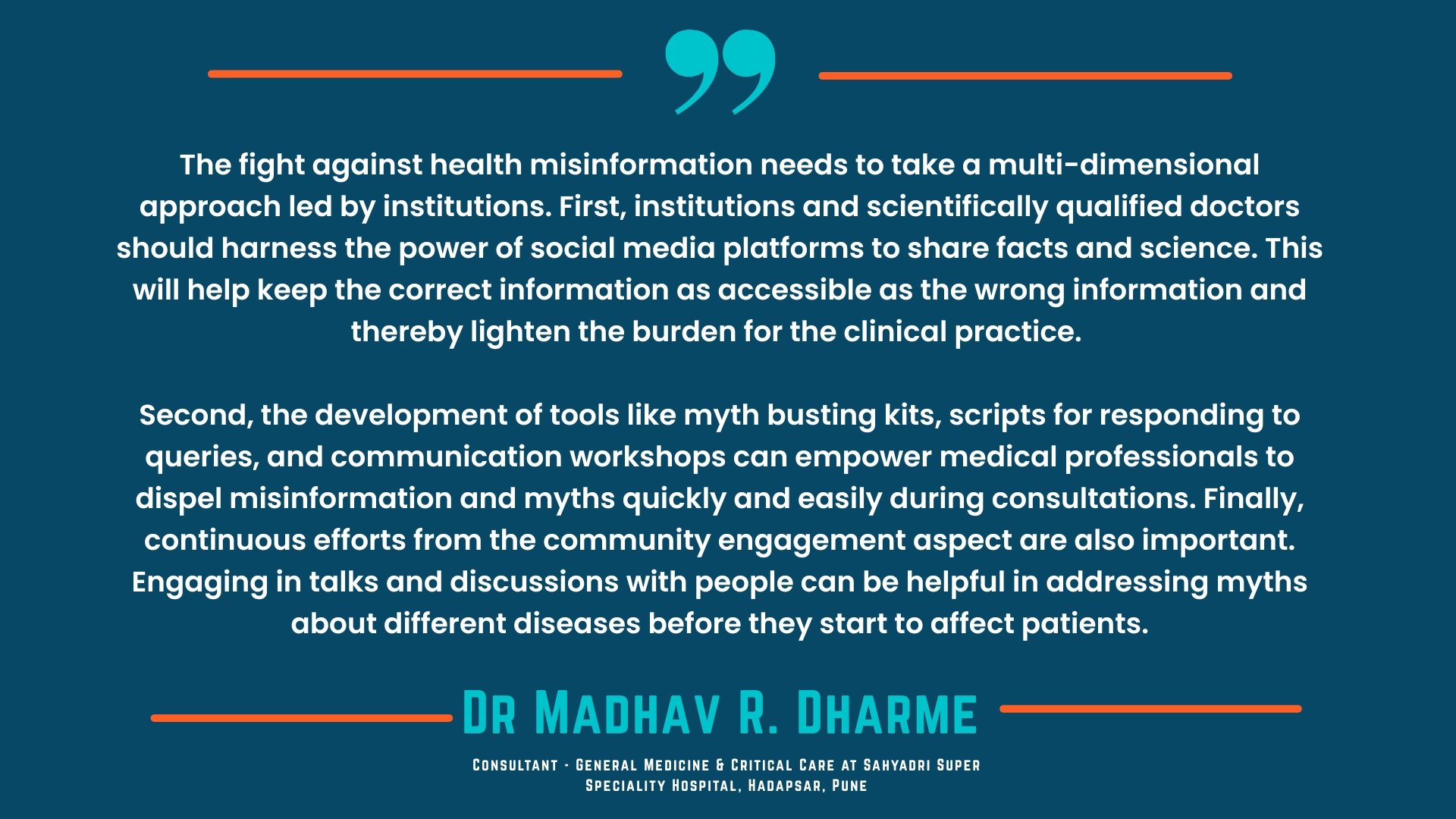
The Evidence Base
"The real challenge is no longer just access to information. It is helping people tell the difference between information that is emotionally compelling and information that is reliable, " says Christina Chick, PhD, licensed psychologist, Clinical Director of Minds Matter Psychotherapy, Instructor at Stanford School of Medicine.
"Facts alone rarely change behaviour. People need explanations that are clear, contextualized, and responsive to their fears, values, and lived experience," adds Chick.
"Physicians should not only tell patients what to do, but explain how they know, what the evidence shows, where uncertainty remains, and why a recommendation is still the best option. In the social media era, trust is built through transparency, not authority alone," adds Chick.
Duggal's call to shared responsibility definitely makes sense for the entire system. "Bringing evidence based medicine back to centre stage is critical and the responsibility for this rests on public health, the private sector and all of us," adds Duggal.
Let’s go back to Dr Krishnan's OPD. The man with the back pain. Two weeks of immobility because of a WhatsApp forward. Gupta’s patient lost sleep over a family-group message that had little to do with her actual condition. These are not fringe stories. They are increasingly ordinary.
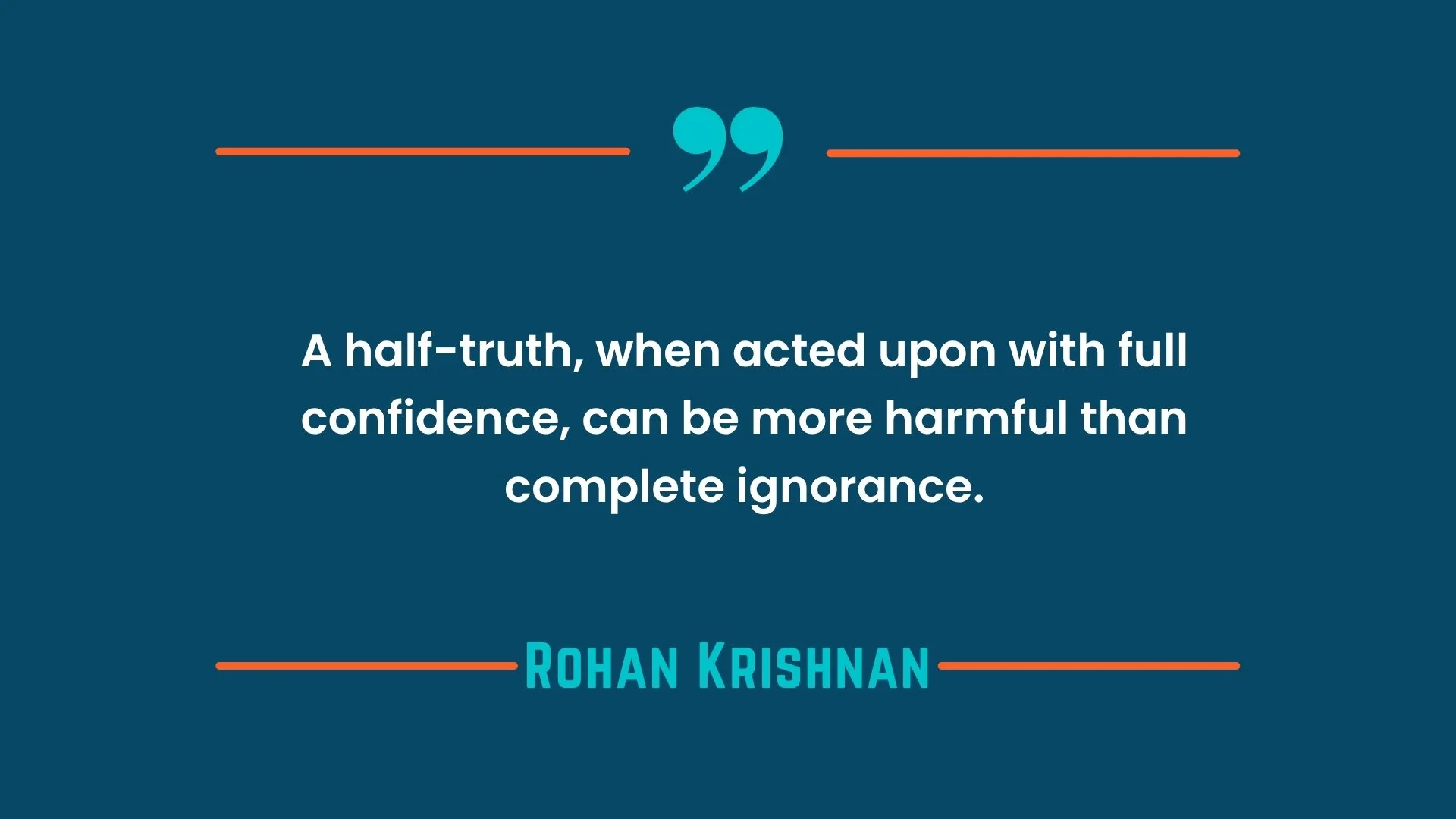
The WHO can declare a theme. But trust is rebuilt one consultation at a time. "In medicine, timing and nuance matter. A half-truth, when acted upon with full confidence, can be more harmful than complete ignorance," concludes Dr. Rohan Krishnan.
And as Gupta’s experience shows, competence by itself no longer settles the matter. A doctor may still know more. But unless the patient understands why, science enters the room already on the defensive.
Got a story that Healthcare Executive should dig into? Shoot it over to arunima.rajan@hosmac.com—no PR fluff, just solid leads.