
India’s Kidney Disease Burden Forces Hospitals to Rethink Care Models
By Arunima Rajan
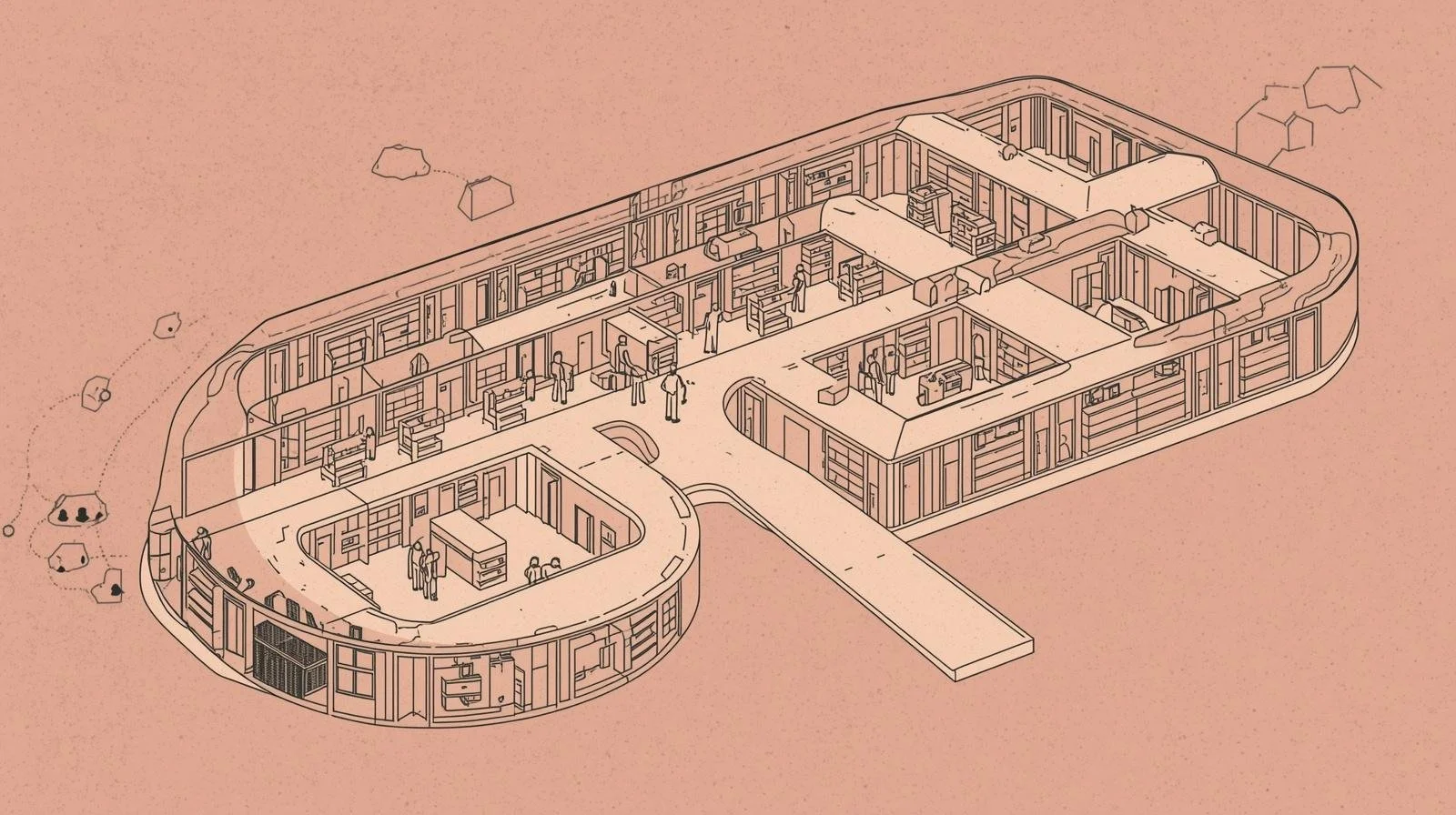
In an interview with Arunima Rajan, Dr Nikhil Bhasin, Consultant Nephrologist and Renal Transplant Physician, Wockhardt Hospitals, Mumbai Central, says that kidney services can no longer be treated as a small department, they need to be part of a hospital’s core strategy.
India now has an estimated 138 million people living with chronic kidney disease. What does this rising burden mean for hospital infrastructure and planning?
The steady rise in chronic kidney disease is forcing hospitals to rethink how kidney care is delivered. Facilities need to plan for more dialysis units, specialised wards, and advanced diagnostic services that can identify kidney problems early. Dialysis centres require a significant amount of equipment, water treatment systems, and trained support staff. As patient numbers grow, hospitals must also invest in skilled technicians, nurses, and coordinators who can manage long-term kidney care. From a planning perspective, kidney services can no longer be treated as a small department. They need to be integrated into broader hospital strategy because demand is expected to keep rising in the coming years. Hospitals are also looking at satellite dialysis centres closer to residential areas so patients do not have to travel long distances several times a week for treatment.
Chronic kidney disease is often called a “silent epidemic” because many patients are diagnosed late. How can hospitals improve early detection?
One of the biggest challenges is that kidney disease often progresses quietly without obvious symptoms. By the time people notice swelling, fatigue, or changes in urine output, the condition may already be advanced. Hospitals can address this by embedding kidney screening into routine care for patients who already visit for diabetes, heart disease, or blood pressure problems. Simple blood and urine tests can identify kidney damage early. Educating patients about regular health check-ups also helps, especially for those with diabetes, hypertension, obesity, or a family history of kidney disease. Awareness campaigns and preventive health packages can make early screening more accessible.
Dialysis is lifesaving but also resource intensive. How can hospitals expand dialysis access while keeping sustainability in mind?
Dialysis requires large amounts of purified water, electricity, and disposable materials. As the number of patients increases, the environmental footprint of dialysis also grows. Hospitals are beginning to explore ways to reuse treated water, adopt energy-efficient equipment, and reduce medical waste where possible. Some facilities are also introducing systems that recycle rejected water from dialysis machines for non-clinical uses such as cleaning or gardening. Planning dialysis services with sustainability in mind helps balance patient care with responsible resource use.
What role can home dialysis play in improving kidney care?
Home-based dialysis can be a practical solution for many patients. It reduces the need for frequent hospital visits and allows individuals to continue their daily routines more comfortably. For hospitals, supporting home programmes can also reduce pressure on in-centre dialysis units. When patients and caregivers are properly trained, home dialysis can be both safe and effective, and it often improves quality of life. Many patients also report feeling more independent and less restricted by hospital schedules.
India’s kidney transplant waiting list continues to grow. What are the biggest challenges?
One of the main barriers is the low rate of deceased organ donation. Many families are still unaware of organ donation or hesitant to consent during difficult moments. Strengthening public awareness and improving hospital coordination around organ donation can make a meaningful difference. Clear systems for identifying potential donors, counselling families sensitively, and ensuring transparent allocation of organs are essential to improve transplant numbers.
Cancer treatments can sometimes affect kidney function. Why is it important for hospitals to address this connection?
Modern cancer therapies have improved survival rates, but some treatments can place stress on the kidneys. Certain chemotherapy drugs, targeted therapies, and immunotherapy medications can affect kidney filtration or fluid balance. When kidney health is monitored closely during cancer treatment, complications can often be prevented or managed early. Hospitals that integrate kidney care with oncology services are better positioned to support patients through complex treatments and help them complete therapy safely.
Acute kidney injury in intensive care units is another serious concern. How can hospitals improve outcomes in such cases?
Kidney problems in critically ill patients can develop quickly. Infections, severe dehydration, shock, or certain medications can all trigger sudden kidney injury. Early monitoring of kidney function, careful fluid management, and timely intervention can significantly improve survival. Hospitals are increasingly using real-time monitoring tools and multidisciplinary ICU teams so that warning signs are recognised and treated without delay.
If a hospital were building a future-ready kidney care programme today, what should be the top priorities?
A forward-looking approach would focus on three areas: early detection, technology, and patient-centred care. Investing in screening programmes helps identify disease earlier, when treatment can slow progression. Modern dialysis systems, digital monitoring tools, and stronger transplant coordination can strengthen treatment capacity. Equally important is patient education. People living with chronic kidney disease often need lifelong care, lifestyle guidance, and emotional support. Hospitals that combine strong infrastructure with patient-focused care models will be better prepared to handle the growing burden of kidney disease in the years ahead.
Got a story that Healthcare Executive should dig into? Shoot it over to arunima.rajan@hosmac.com—no PR fluff, just solid leads.