
Can an Integrated Healthcare Model Deliver Better Patient Outcomes?
By Arunima Rajan
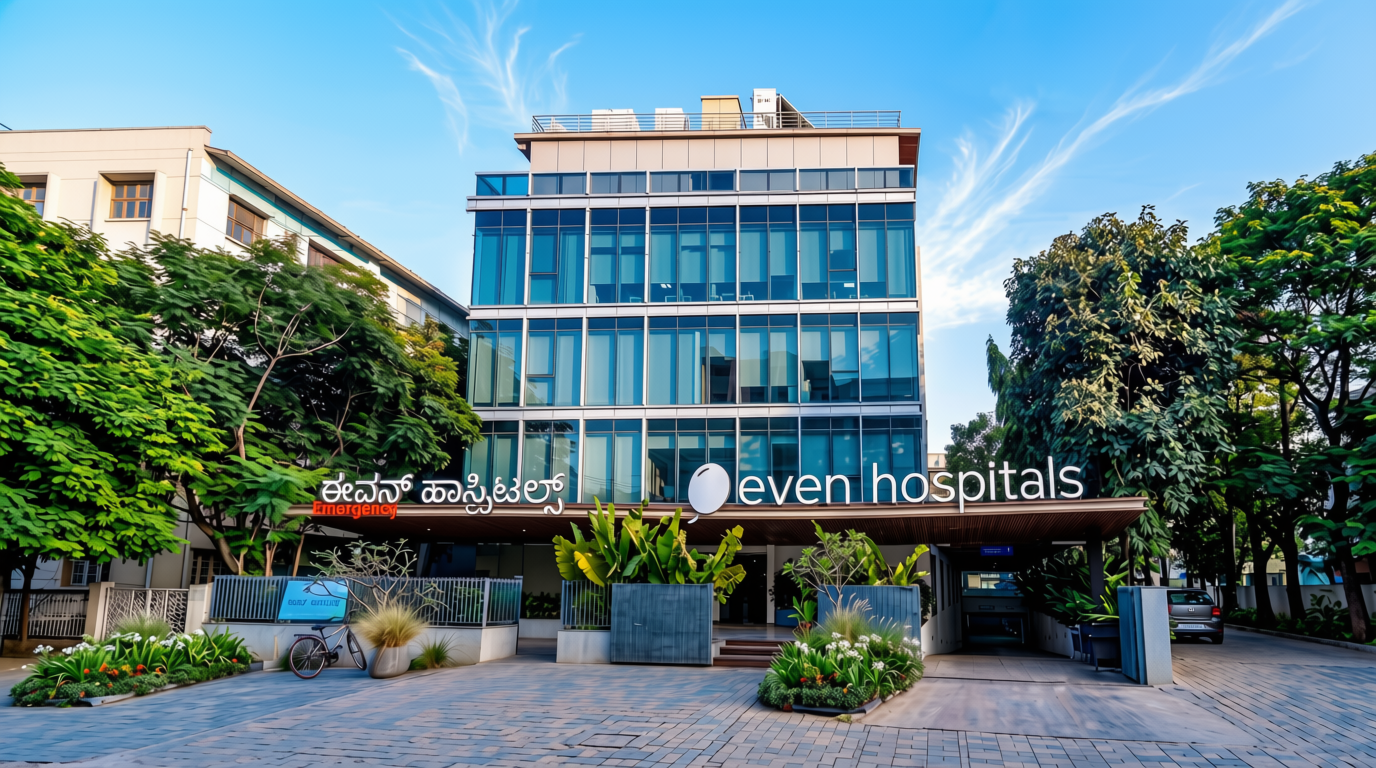
Even expects to reach around 500 beds by year-end, with its second hospital opening soon and a third following shortly afterwards.
How did you go from studying politics and economics to healthcare?
The shift to healthcare was really because, growing up, I was very close to my uncle, my Dauji. Unfortunately, when I was about 13 or 14, he was diagnosed with pancreatic cancer and eventually passed away. That was my first experience of how incredibly unfair healthcare, and simply being dealt a bad hand, can be.
Part of it was what happened, but part of it was also the fact that he was uninsured. We were fortunate that, as a family, we could pay for the best treatment possible. Had we not been such a tight family unit, he might have passed away simply because he could not pay for treatment.
At the same time, I was living in the UK, where cost is not a concern most people have. You do not worry about whether you can pay for healthcare because the state covers it. In India, even now, something like five crore people face medical bankruptcy because of a one-off healthcare bill. That is a terrible set of circumstances to live in, and I hope Even can go some way towards fixing it in the long run.
You often talk about your payer-provider model. Could you explain it?
In a payer-provider model, insurance is the payer side and the hospital is the provider side. If you bring those two together, you can address many of the pain points created by insurance terms and conditions: exclusions, waiting periods and the fact that outpatient care is rarely covered. The outcome can be much better for the customer or patient.
If someone buys insurance from Even and receives care at one of our hospitals, we do not really need to worry about whether something is covered. The inpatient experience becomes smooth and seamless.
Because we are a provider with an insurance component, we care not only about fixing a person's immediate health problem, but also about investing in their care to keep them healthier and therefore spending less in the future. I think it is a very good model and approach. It is new, and not everyone knows about it yet, but in the long run you can offer a better product and greater peace of mind at an affordable price, especially as more people buy insurance.
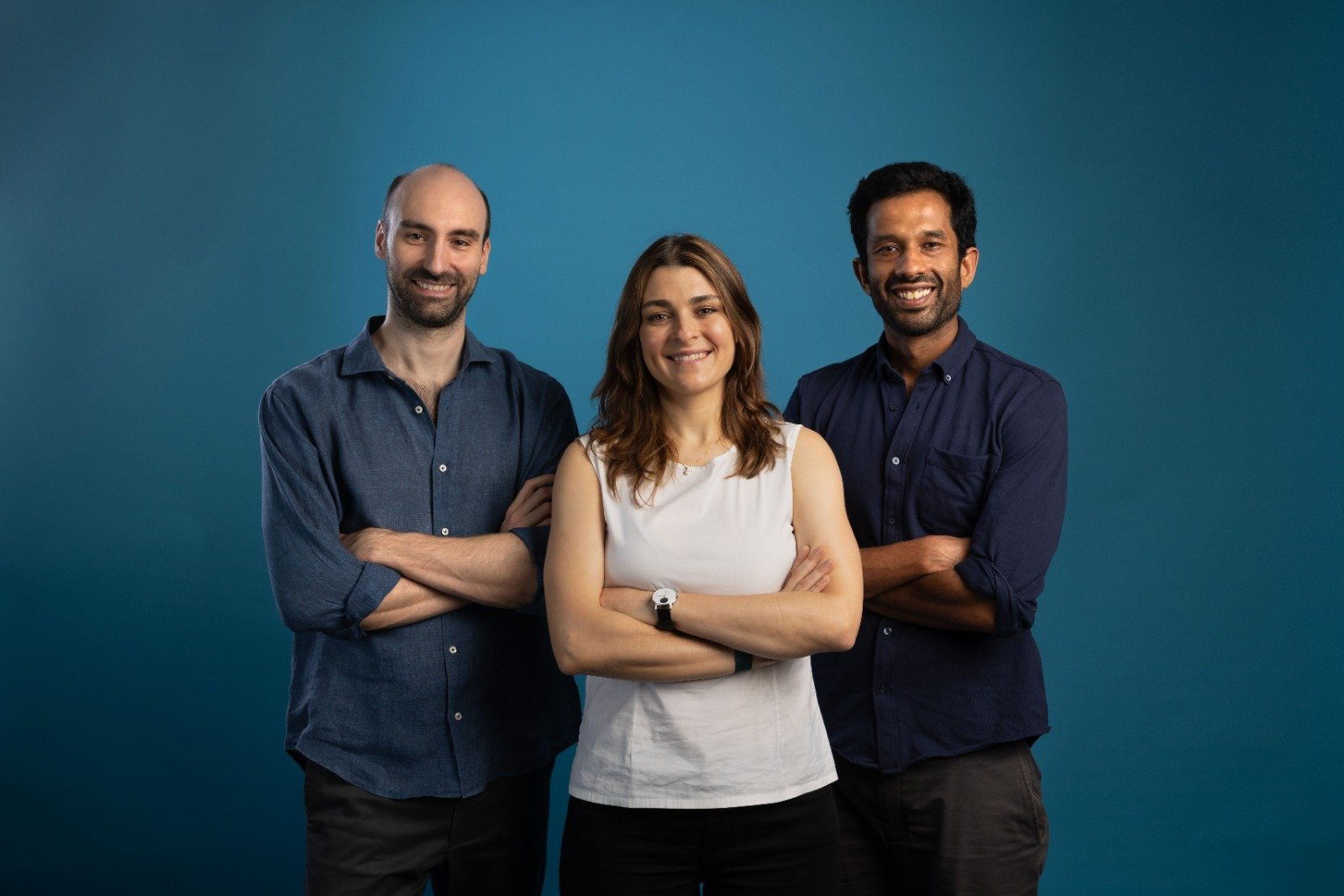
How difficult was it to partner with hospitals under your initial model and to recruit doctors? How did you persuade the ecosystem to trust a new brand?
Although we are a new brand, we have people with deep domain expertise. Dr Chandrika, as I mentioned, was chief medical officer at Columbia Asia and HCG. That helped doctors see that we had not only interesting new ideas, but also people who understood how the system worked.
On the “star doctor” point, we have excellent doctors with strong clinical outcomes. Even before someone goes to a hospital such as Narayana Health, they usually call someone they know and ask where they should go. That person might be a trusted doctor who genuinely cares about them, or a friend who is not a doctor but works in the clinical profession and knows someone.
Our first job was to convince people that we genuinely cared about their health. As we did that better, people began asking us for recommendations and became willing to try the hospitals and clinics we built and the doctors we hired. Once they had a good experience, they told their friends and family that Even was helpful and that they should try it.
What do you own and what do you rely on partners to provide?
We own the infrastructure and everything on the provider side. We depend on partners on the insurance side.
Even on the provider side, there may be procedures, for example, a liver transplant, for which we do not have the best facility in the country. We care only about patients receiving the best possible clinical outcome. In such cases, we may send members to partner hospitals for surgery and support them during recovery. Our job is to look after their healthcare; that is the priority.
What were some of the major challenges you faced, and what could people learn from them?
The biggest change in our approach over the past few years has been how much messy operational work we have had to take on. Over time, we became the actual end provider rather than just a technology layer.
That meant changing the DNA of the company. We had to hire doctors, nurses and people to run hospitals. It has been an interesting change in how we operate and think as a company.
The hardest and most interesting part has been learning which of the ten things routinely done in the industry are truly necessary and which can be done differently. We learn from people with deep domain expertise who choose to work with us. Then we ask: can we try this differently, or is there a good reason people have done it this way for 25 years?
What measures do you take to protect patient privacy?
We comply with virtually every data-security standard in the world, including India's data-protection law, HIPAA and GDPR. We are extremely cautious because this is an area we can never take lightly. It is one of the most important things we care about.
Patient data is not shared with anyone outside the patient. Other companies regularly ask to buy and monetise some of our patient data, and we unequivocally refuse. Our patients trust us, and we are in the business of trust. We can never do anything that would cause patients to question that trust.
If someone develops an infection after discharge and goes to another hospital, does that appear in your numbers?
Of course. That is why we have been providing telemedicine for four years. We call people on days one, three, seven, 14 and 28 to understand how recovery is progressing. We ask whether they are happy with the outcome and whether they have gone to another hospital. We check all of those things continually.
You sell insurance and own the hospital that treats the patient, so you sit on both sides of the table. What stops that model from going wrong for the patient? Why should I go to Even rather than Apollo?
If I still need to convince you at that stage, it is generally a little late. People choose Even because they have already experienced our care. They may have known one of our doctors for two years, so when they need in-person care, they choose us. That is what we aspire to achieve.
As for the danger in this model, we are entirely dependent on patients and members choosing us, even though they are free to go elsewhere. For inpatient care, someone can choose from 9,000 network hospitals across India. Yet in Bengaluru, 60% to 80% of our members choose us even though they have about 2,500 other hospitals available to them.
In the coming years, will you focus on opening more hospitals or focus more on insurance?
We will focus much more on building out our provider network. We want to ensure that nobody in Bengaluru is more than five kilometres from an Even facility and then expand that model to other cities.
As you grow, how will you prevent quality from being diluted?
Technology allows you to approach this very differently from ten years ago. If you can record every consultation and every surgery, you can see in real time whether people are following the clinical protocols you have set.
That is something we think about a lot. We will have to scale very quickly, but there should never be any question of compromising clinical quality. That is what we are excited about right now.
What have you learnt from operating Even’s first hospital that you are applying differently to the second and third hospitals opening this year?*
We’ve indexed even harder on clinical quality.
We care that no matter who the patient comes to see, they get a high quality, standardised experience, in line with the best clinical protocols globally.
Every clinical prescription and procedure is audited by both humans and AI and we follow up with the patient after they leave the hospital so we not only ensure they get a great experience in the hospital itself, but also track their outcomes when they leave, so we can improve the protocols based on the data.
As Even approaches 500 beds by the end of 2026, what will change most noticeably for members—in access, specialities offered and continuity of care?
Comprehensive coverage. Our first hospital had a basic cardiac capability and now in our next few, it's being more of a focus where we can support patients with cardiac procedures, not just preventive care. This also applies to oncology where we are seeing high risk patients regularly that we can support for their entire patient journey.
Having more hospitals will also ensure that the convenience factor goes up. We’re fortunate that patients are coming to us from all over the city but our next few facilities will ensure that this pain is removed and we will be able to better serve them closer to where they live.
Got a story that Healthcare Executive should dig into? Shoot it over to arunima.rajan@hosmac.com—no PR fluff, just solid leads.