
India's Nursing Crisis: Shortages, Retention, and the Road to Reform
By Arunima Rajan

This World Nurses Day, Healthcare Executive asks the people who know best: what will it actually take to fix India's nursing crisis?
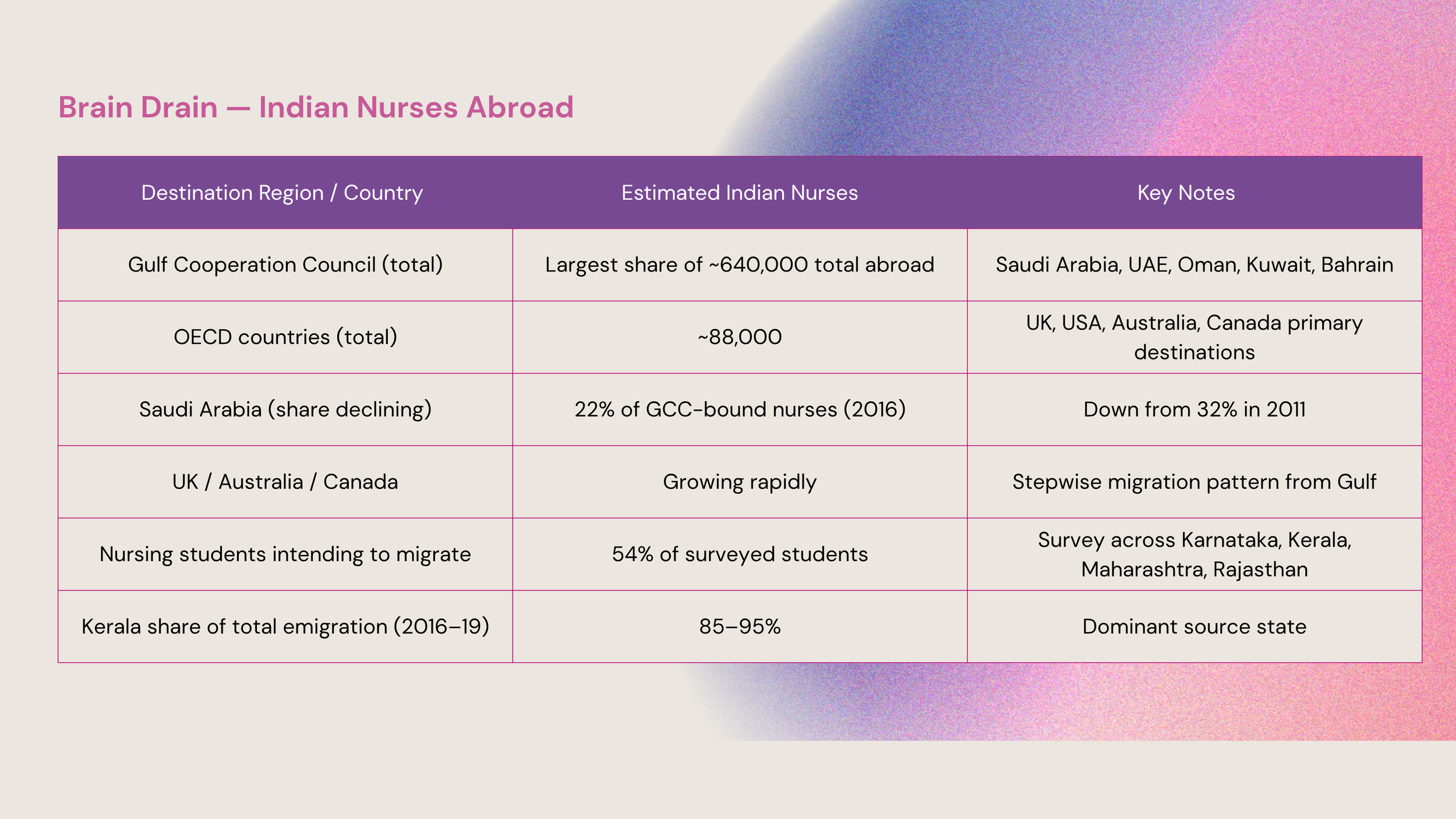
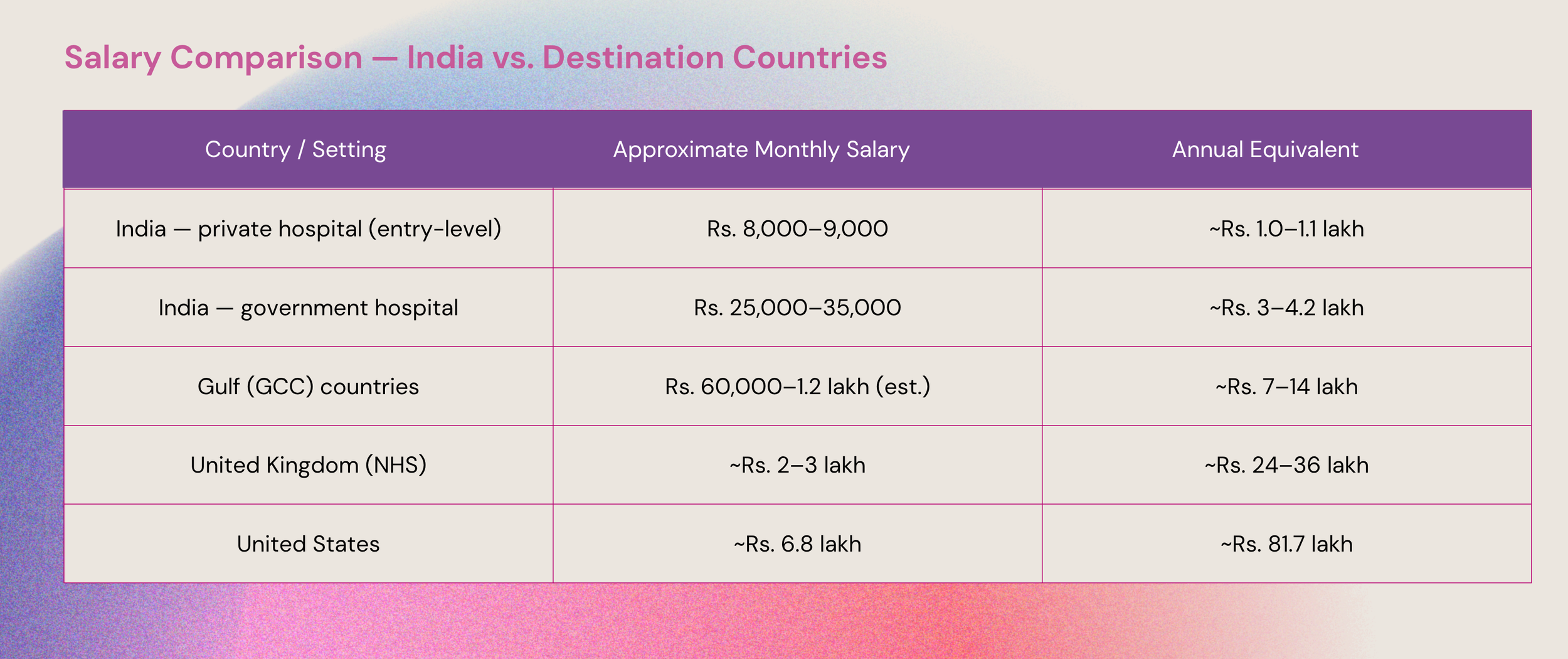
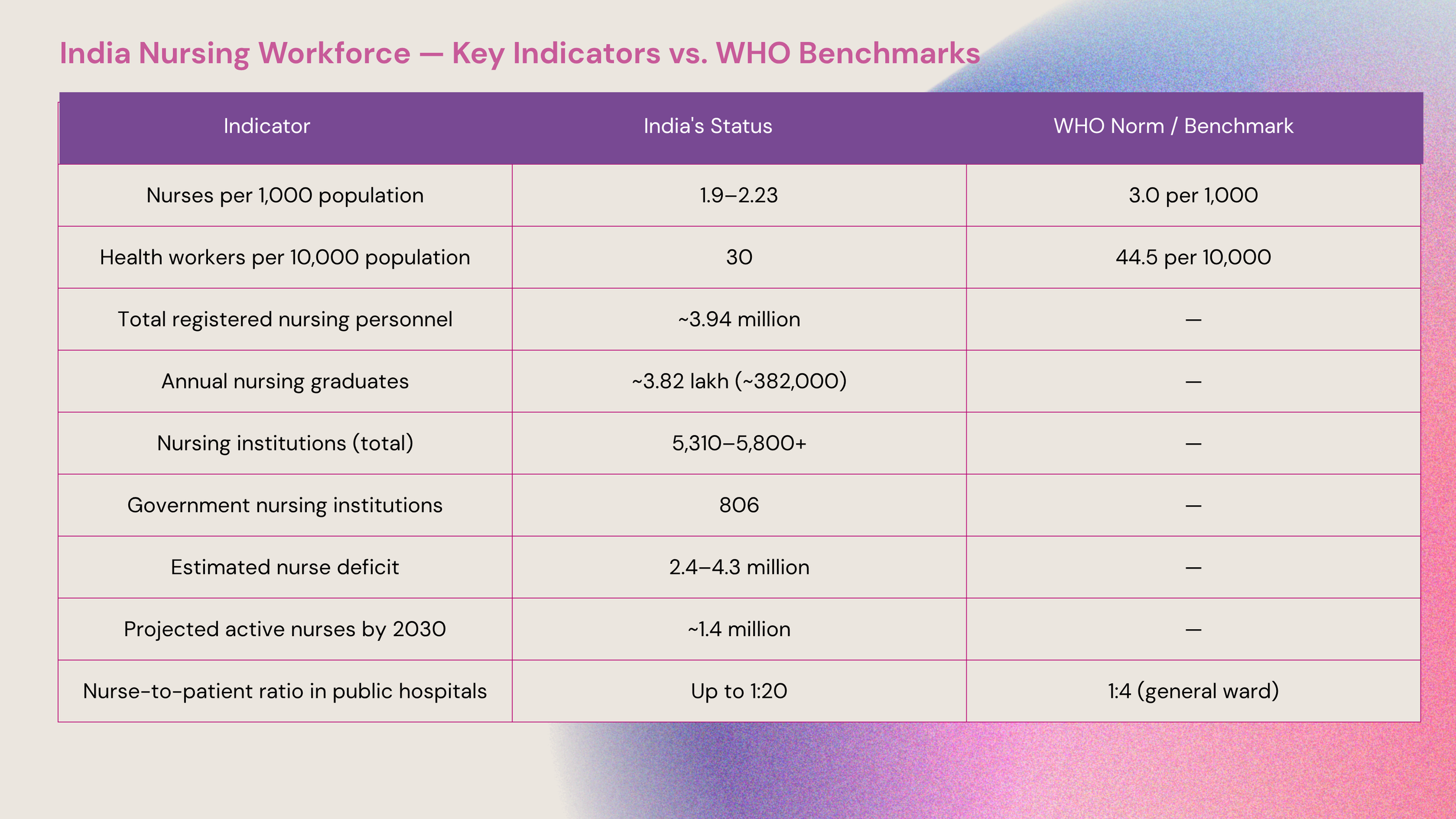
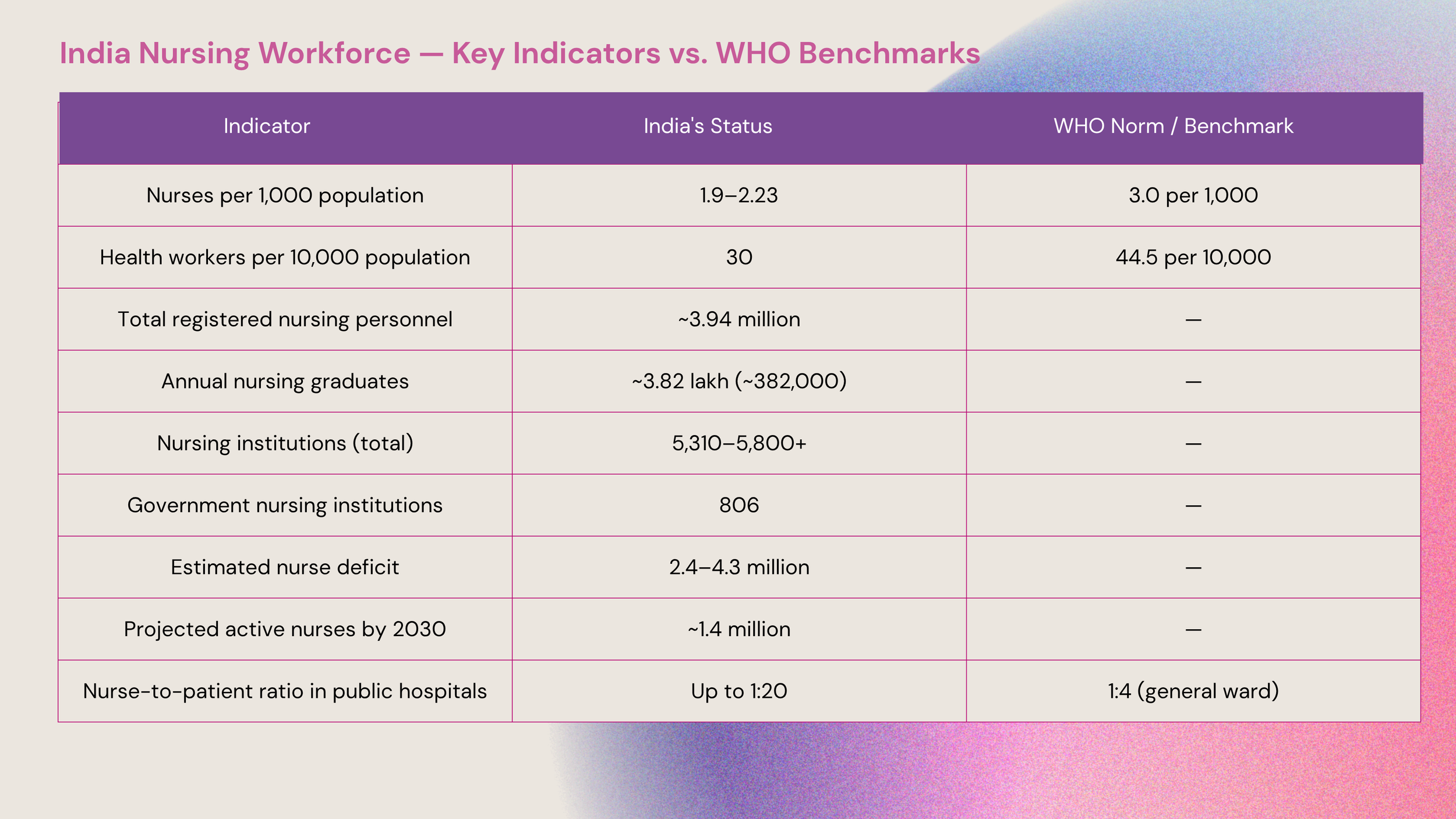
Dr. Sameer Bhati is a public health analyst. He notes that India is already below the World Health Organization's minimum nurse-to-population threshold and is staring at a two-million nurse shortfall by 2030. "The problem at hand involves more than a nurse shortage: there exists a fundamental nursing staff retention problem that affects high-dependency areas, particularly diagnostic settings. The current nurse-to-population ratio in India stands at approximately 1.7 nurses for every 1,000 people, which falls substantially short of the World Health Organization standard. This shortage particularly affects diagnostic facilities, because nurses play essential roles in preparing patients for procedures, ensuring contrast safety, and providing procedural support. The pay structure needs revision: Bachelor of Science-qualified nurses currently receive monthly salaries between ₹12,000 and ₹18,000, which fall below the minimum wage for entry-level positions in other industries, and this disparity is a leading cause of attrition. High-traffic imaging facilities depend on nurse goodwill because they have insufficient rest protocols, no mental health support, and only basic measures to protect staff against patient violence. Nurses who want to specialise in magnetic resonance imaging, computed tomography, and catheterisation laboratory support frequently face internal barriers to advancement, as their skills find greater recognition abroad and in higher-paying corporate roles. When trained nurses leave, untrained attendants are brought in to fill the gap, creating a heightened risk of missed contraindications, inadequate patient preparation, and a greater incidence of adverse medical events," he explains.
Fix the System, Keep the Nurse
He adds that systemic reform is required to address the nursing shortage, because piecemeal solutions do not resolve the underlying problem. Diagnostic procedures begin and end with nursing, yet decision-makers continue to treat it as a budget line item rather than recognising its essential clinical value. The field needs to establish pay premiums for diagnostic-specific skills, including contrast administration, MRI safety screening, and mammography assistance, and these must be anchored in proper grading structures rather than ad hoc salary adjustments. He highlights that all diagnostic and imaging facilities need to establish nurse-to-patient ratio standards, as no current regulations mandate them. Formalising career paths for roles such as radiology nurse, preventive health coordinator, and sonography assist specialist will help organisations both develop their workforce and improve retention, particularly since these positions already exist in hospitals without official titles or corresponding pay grades. Nurse-led preventive screening outpatient departments, covering blood pressure, diabetes, and lifestyle risk assessment, have the potential to become permanent operations, and the diagnostics sector has the capacity to pilot these programmes across India.
Cost of the Nursing Shortage
Bhati points out that the cost of India's nursing shortage is widespread but often under-recognised.
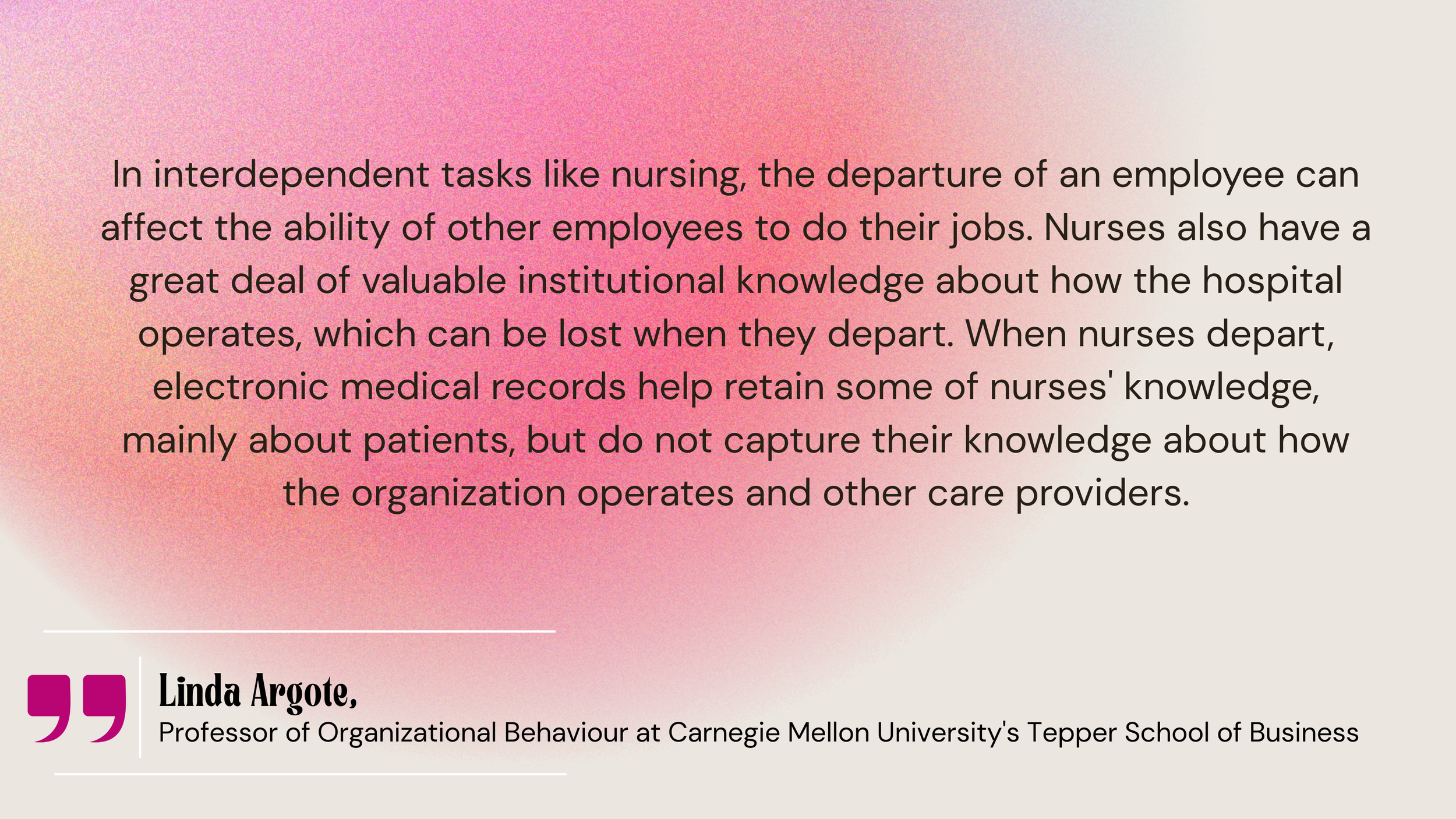
"Patients are the first to feel the effects, procedures are rushed, allergy histories go undocumented, and post-procedure monitoring is inadequate. The remaining nursing workforce faces severe pressure: most staff members at high-throughput diagnostic centres, which conduct 80 to 100 tests each day with minimal personnel, are in a state of extreme moral distress. At a systemic level, the
value of preventive screening diminishes when execution is undermined by staff burnout and insufficient training. The National Accreditation Board for Hospitals and Healthcare Providers, which governs clinical and hospital standards, needs to make nursing staffing ratios and retention metrics a hard renewal criterion: not merely a checkbox. The National Accreditation Board for Testing and Calibration Laboratories' mandate covers lab quality and equipment, not nursing, so accountability must sit squarely with the National Accreditation Board for Hospitals and Healthcare Providers and the Nursing Council of India. The National Nursing Workforce Registry needs to establish separate tracking systems for the diagnostic and community health sectors, because current data gaps create significant obstacles to effective planning. Retaining every nurse in diagnostic settings is a vital resource for early detection, making this a core issue of public health infrastructure," explains Bhati.
Profession or Vocation? The Identity Crisis at Nursing's Core
The Tata Institute of Social Sciences has been one of the few institutions in India to examine health systems, and the workforce that holds them up, with genuine rigour, and nursing sits right at the centre of that story. Feroz Ikbal is an Associate Professor in the School of Health Systems Studies at the Tata Institute of Social Sciences, Mumbai, in the Centre for Hospital Management.
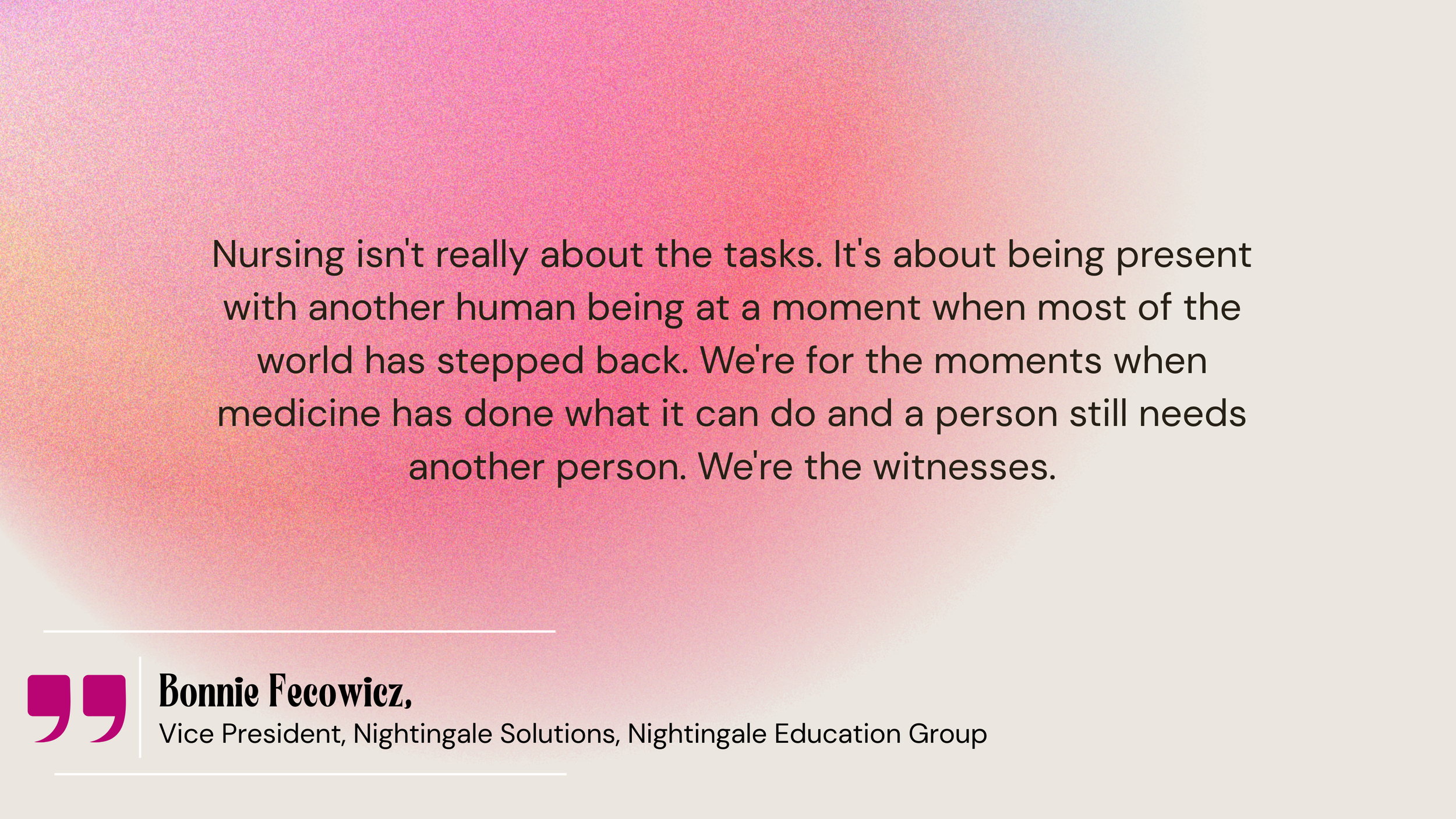
"Nursing, though supposed to be a profession, is still struggling as a vocation, with little scope for independent practice. Many Western countries have moved to the concept of the nurse practitioner, yet very little transformation has occurred in the Indian context. One positive development in the empowerment of nurses is that they are becoming increasingly visible in hospital administration, particularly in the private sector, where they have been found to play crucial roles in operations, quality, and patient safety. Over the past few years, Fortis Hospitals has sponsored a number of its nurses to attend executive diploma programmes at the Tata Institute of Social Sciences," says Ikbal.
Today, much of the policy conversation around nursing focuses on shortages and migration, but there are pockets of real progress, in particular states, hospital networks, and training models. From his research, which examples does he feel are genuinely working, and what makes them replicable or adaptable elsewhere in India?
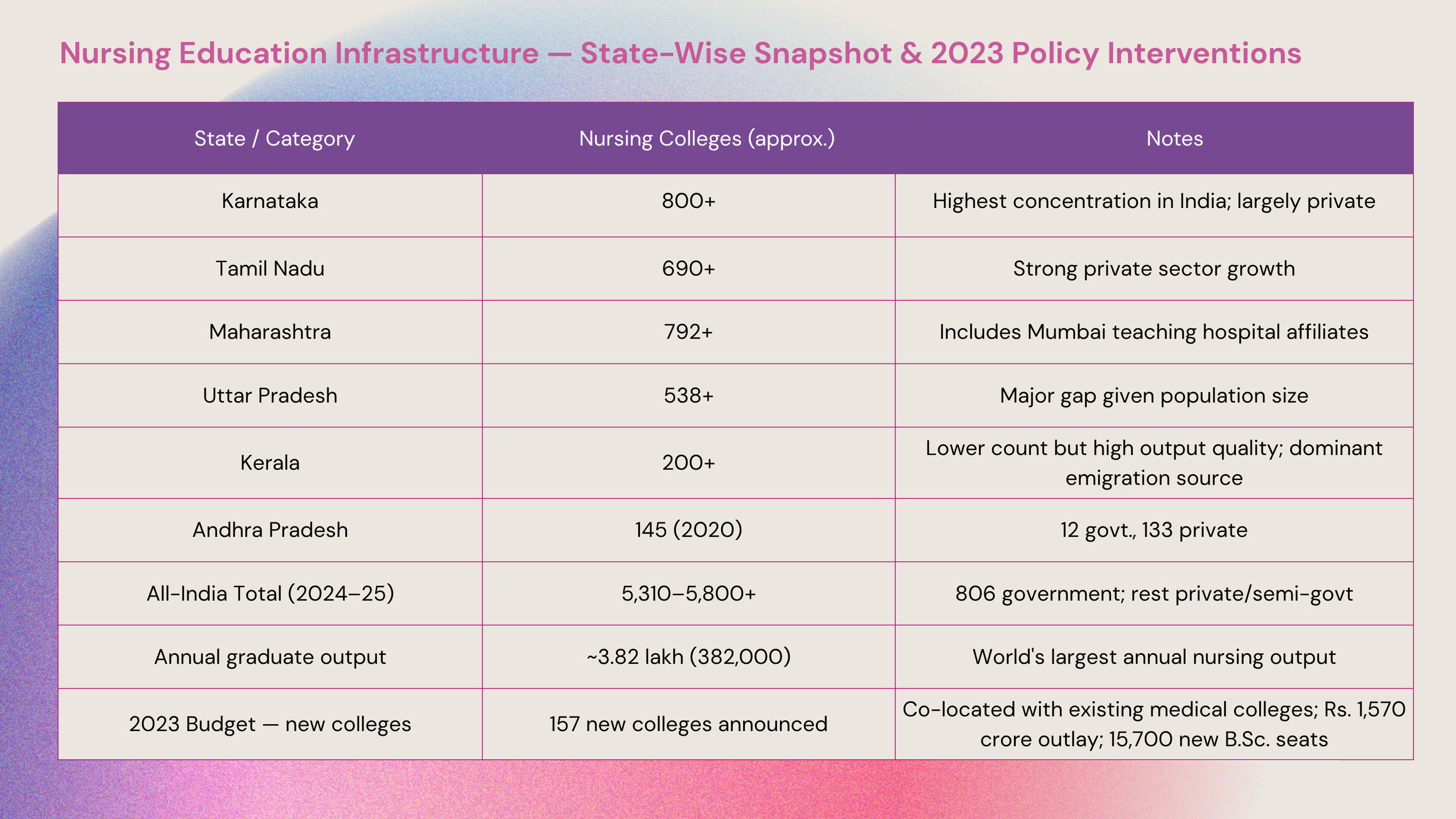
"The last few years have seen tremendous growth in medical colleges and seats, both at the graduate and postgraduate levels. India currently has over 1.28 lakh Bachelor of Medicine and Bachelor of Surgery seats. Bachelor of Science (Nursing), General Nursing and Midwifery, and Auxiliary Nurse Midwife together account for just over three lakh seats. But these numbers do not necessarily translate into nurse availability. Though pay scales in the central government and several state governments are reasonable, many organisations tend to recruit nurses on a contract basis. In the private sector, there is a significant disparity in pay, particularly at the entry level. That said, many organisations today are willing to pay premiums for nurses with specialised skills. In the current context, shortages and migration will therefore continue," he explains.
Strengthening the nursing workforce will require movement from multiple sides, hospitals, nursing colleges, regulators, and both central and state governments. What are the two or three practical, achievable shifts that could meaningfully improve the profession over the next five years, and where are the most promising signs of change already emerging?
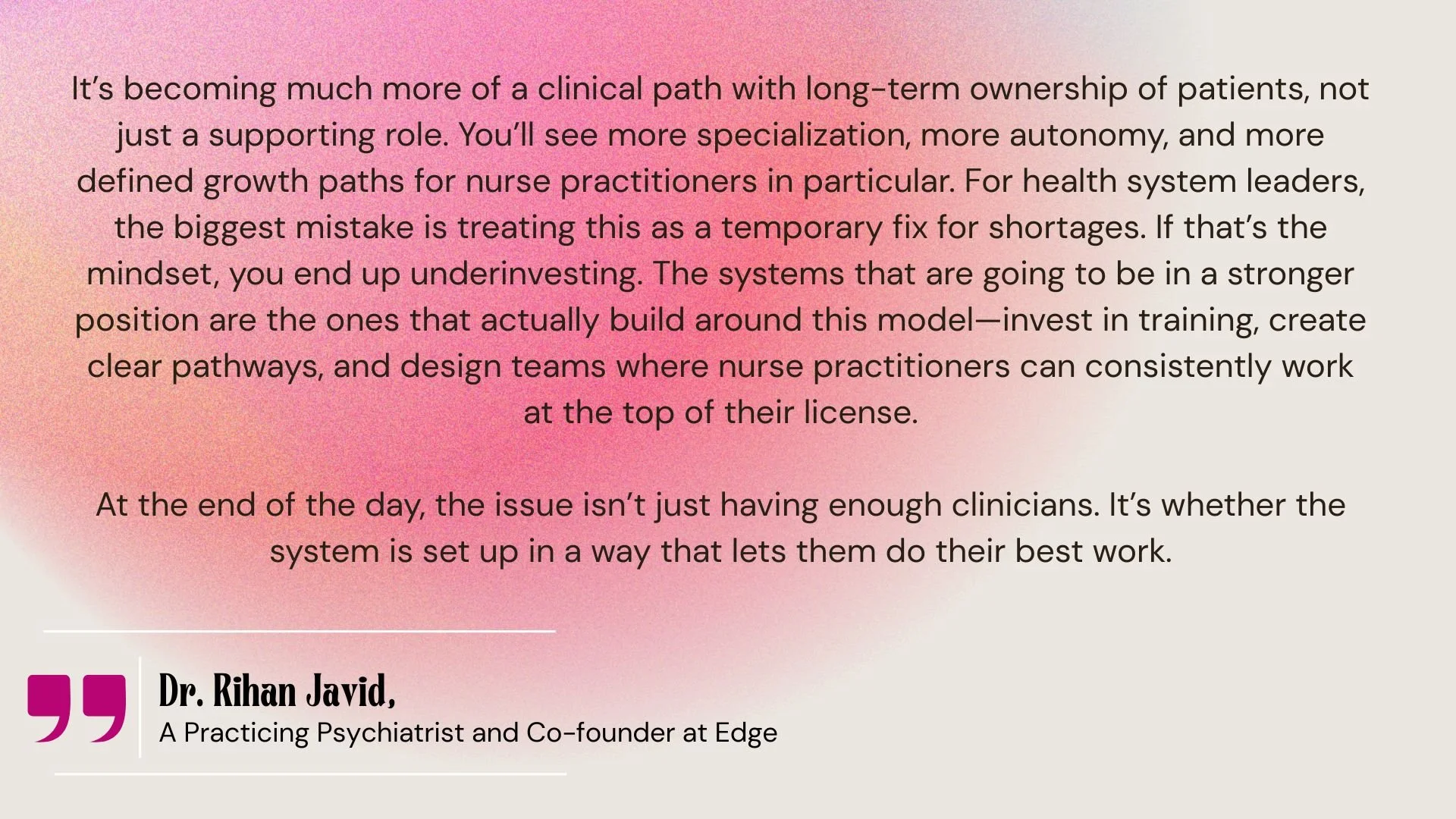
"Empowering nurses by giving them a clear career path is essential to strengthening the workforce. This can be achieved by providing continuous learning opportunities and encouraging movement into administrative and academic roles. Appointing nurse practitioners at the sub-centre and primary health centre level would help strengthen both the nursing workforce and the broader health system," explains Ikbal.
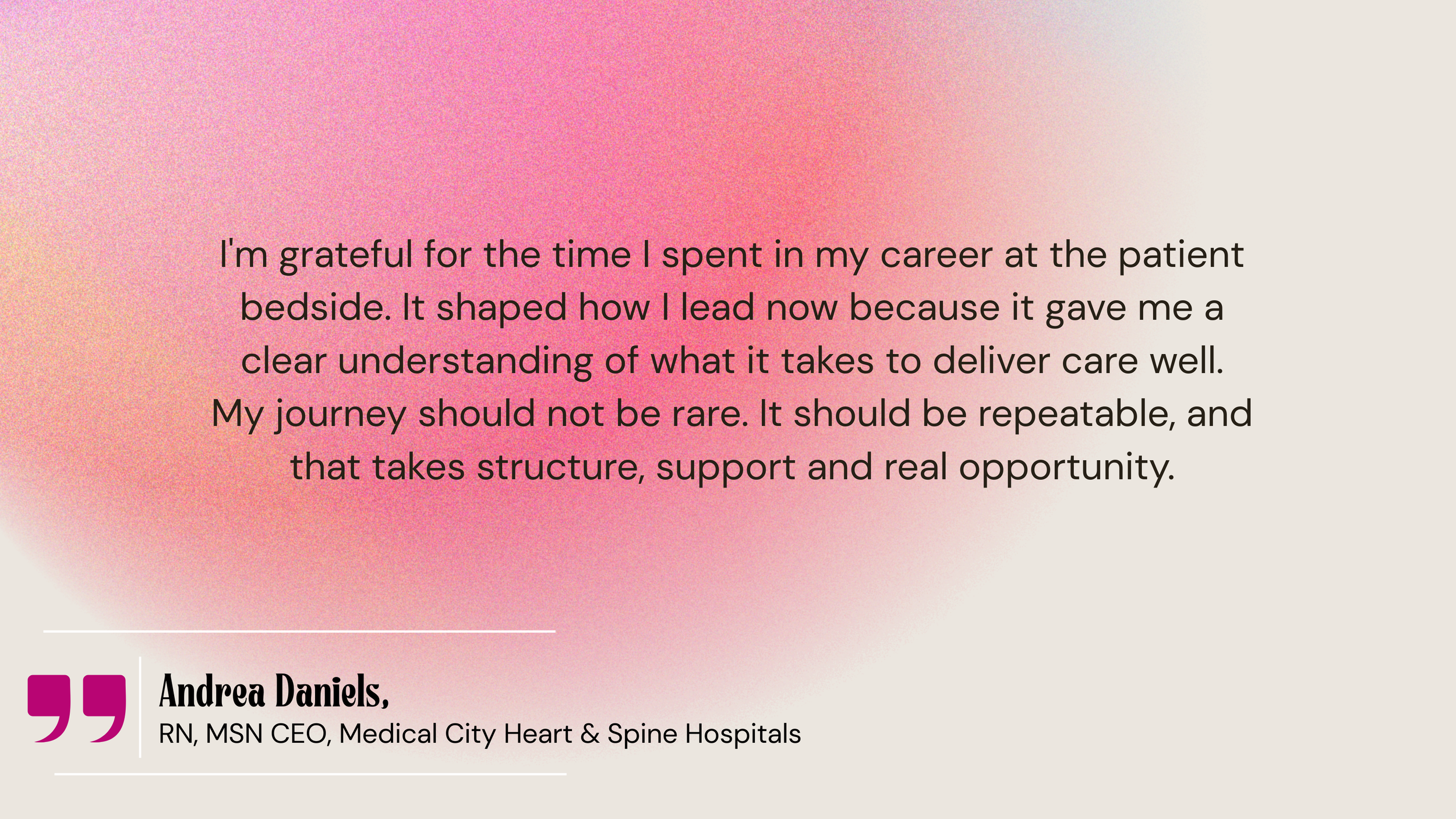
Beena K.T., Nursing Superintendent at Kinder Women's Hospital and Fertility Centre, says, "At Kinder Women's Hospital, we truly believe that nursing is the heart of patient care. Our nursing team is evolving into one of the strongest clinical teams, consistently empowering themselves by embracing every opportunity to learn and grow. What makes them exceptional is their spirit of teamwork and their willingness to go beyond expectations, thinking outside the box to ensure our patients receive the best possible care. Their dedication, compassion, and innovative approach not only strengthen the hospital but also create a nurturing environment in which patients feel supported and valued."
She adds, "What stands out most is how our team has risen to new challenges, constantly upgrading their skills and ensuring that every patient receives the highest standard of care. We have worked diligently to ensure all cases are handled with precision and compassion, with patient safety at the forefront of everything we do. Seeing patients leave the hospital not only safe but with a smile is something we take immense pride in."
On retention, she explains, "We keep our team engaged through monthly employee activities, which strengthen bonds and provide a refreshing break from routine. While retention challenges are natural in today's healthcare landscape, particularly with new hospitals opening and salary-driven moves becoming more common, we have witnessed something remarkable: many of our nurses who left have returned within just a few months, having missed the supportive environment here. What keeps them with us is our commitment to listening and responding to their concerns. Regular departmental meetings and prompt action on issues ensure that staff feel heard and valued. This open, responsive culture has been central to retaining our team and supporting their growth at Kinder Women's Hospital."
On building the next generation of nurses, Beena says, "This blend of theoretical grounding and hands-on clinical exposure helps build confident, capable nurses, something that purely classroom-based learning often fails to achieve. We believe this approach not only strengthens clinical skills but also instills the values of teamwork, patient safety, and compassionate care that define our hospital. By investing in these partnerships and creating a nurturing environment for young professionals, we are building a strong pipeline of nurses who are ready to excel both in India and globally."
Got a story that Healthcare Executive should dig into? Shoot it over to arunima.rajan@hosmac.com—no PR fluff, just solid leads.