
New Heights in Healing: Inside Medicover’s Vertical Hospital Vision in Hyderabad
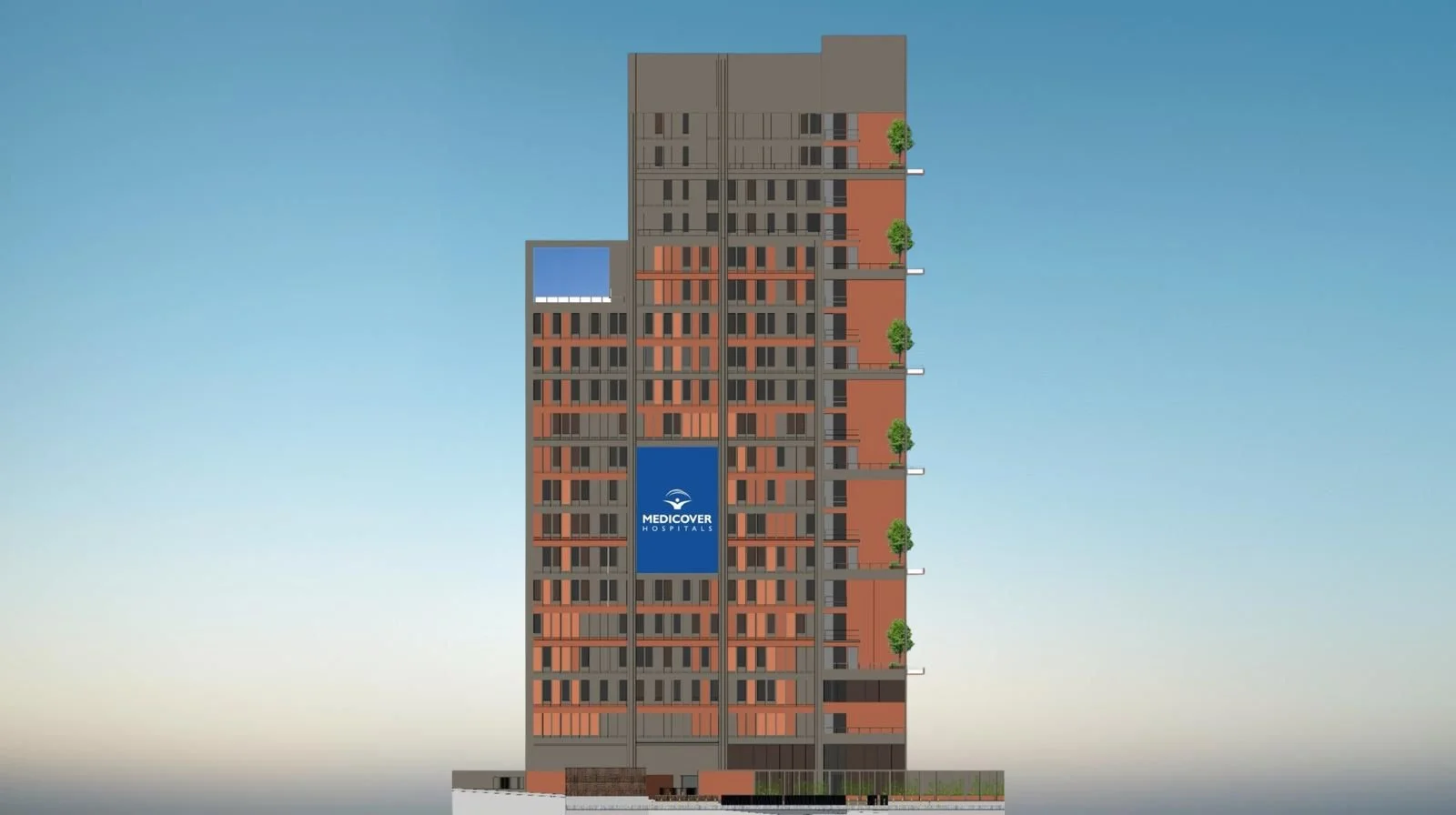
In Hyderabad’s Financial District a 25-storey hospital tower from Medicover Hospitals is quietly getting built. It will house 550 beds, 80 outpatient rooms and a 200-bed ICU, all within one tall structure. What makes the design noteworthy is its intent to combine care, comfort and clarity in one place. Single-bed rooms, touch-free interfaces, modular theatres and high-speed elevators for patients are central to the plan. In conversation with Healthcare Executive Magazine, Dr G. Anil Krishna, Chairman and Managing Director of Medicover Hospitals (India), explains how the vertical format allows greater density of services and enhanced clinical integration, offering a fresh model of hospital design for the city and beyond.
This is one of the tallest hospital towers in the country. Why build vertically, and how do you ensure that height does not affect clinical workflows or emergency speed?
The vertical format allows high-density planning and tighter clinical integration. With high-speed patient elevators, zoned specialty floors, and dedicated emergency corridors, internal movement becomes faster than in horizontal campuses. Benchmarking shows emergency transfers are shorter and more predictable due to this structured vertical flow.
A 5,00,000 sq. ft. facility with 80 OPD rooms can experience heavy crowding. What systems ensure smooth patient flow, triage and wayfinding?

Dr G. Anil Krishna, Chairman and Managing Director of Medicover Hospitals (India),
The tower uses a smart patient-movement system with digital check-ins, AI-supported triage, and clear multi-level wayfinding. Each OPD level is designed as a self-contained unit with diagnostics and support services, ensuring orderly, efficient flow even at peak hours.
Your 200-bed ICU is among the largest in the region. How was it conceptualised?
Intensivists helped shape the design, focusing on visibility, infection control, and rapid mobility. Every ICU bay includes advanced monitoring, negative-pressure capability, and optimal spacing to ensure safe, predictable, high-intensity care round the clock.
With robotic systems and high-end imaging already planned, how is the building future-proofed for rapid technological advancement?
Modular procedure rooms, scalable digital command hubs, and infrastructure-ready shafts enable painless upgrades. This allows seamless adoption of next-generation robotic platforms, AI systems, and advanced diagnostics without structural disruption.
Sustainability is a core principle. What measures directly reduce operational costs, and is there a benchmark you aim for?
Green materials, intelligent lighting, and high-efficiency HVAC systems optimise resource use. A major shift toward paperless hospital operations—including e-consents, digital documentation, and automated records reduces waste and long-term operational overhead. Real-time energy monitoring allows the tower to maintain a consistent sustainability benchmark across all 25 floors.
Beyond private rooms and touchless systems, which design features will measurably improve outcomes or safety?
Controlled air-handling systems reduce infection risk, shorter clinical circuits accelerate treatment, and high-visibility nurse stations enhance monitoring and patient safety.
Hyderabad is growing as a medical tourism hub. How does this tower serve international patients?
Dedicated international lounges, multilingual care coordinators, and secure digital access ensure comfort and clarity. The tower’s strong privacy architecture and advanced infection control standards support global expectations for world-class care.
Operating a 25-floor hospital demands strong governance. What is the command-centre and resilience model?
A central digital command centre monitors clinical workflows, emergency routing, bed availability, and cyber-security in real time. The use of in-house, insourced hospital software strengthens data security and gives full control over patient information—critical for continuity during public health emergencies, cyber incidents, or peak load situations.
Got a story that Healthcare Executive should dig into? Shoot it over to arunima.rajan@hosmac.com—no PR fluff, just solid leads.