
Epilepsy in the Shadows: The Urgent Need for Primary Care Reform
By Dr Hemant Kumar Tiwari, Public Health Researcher (Epilepsy and Primary Care Specialisation), AIIMS, New Delhi
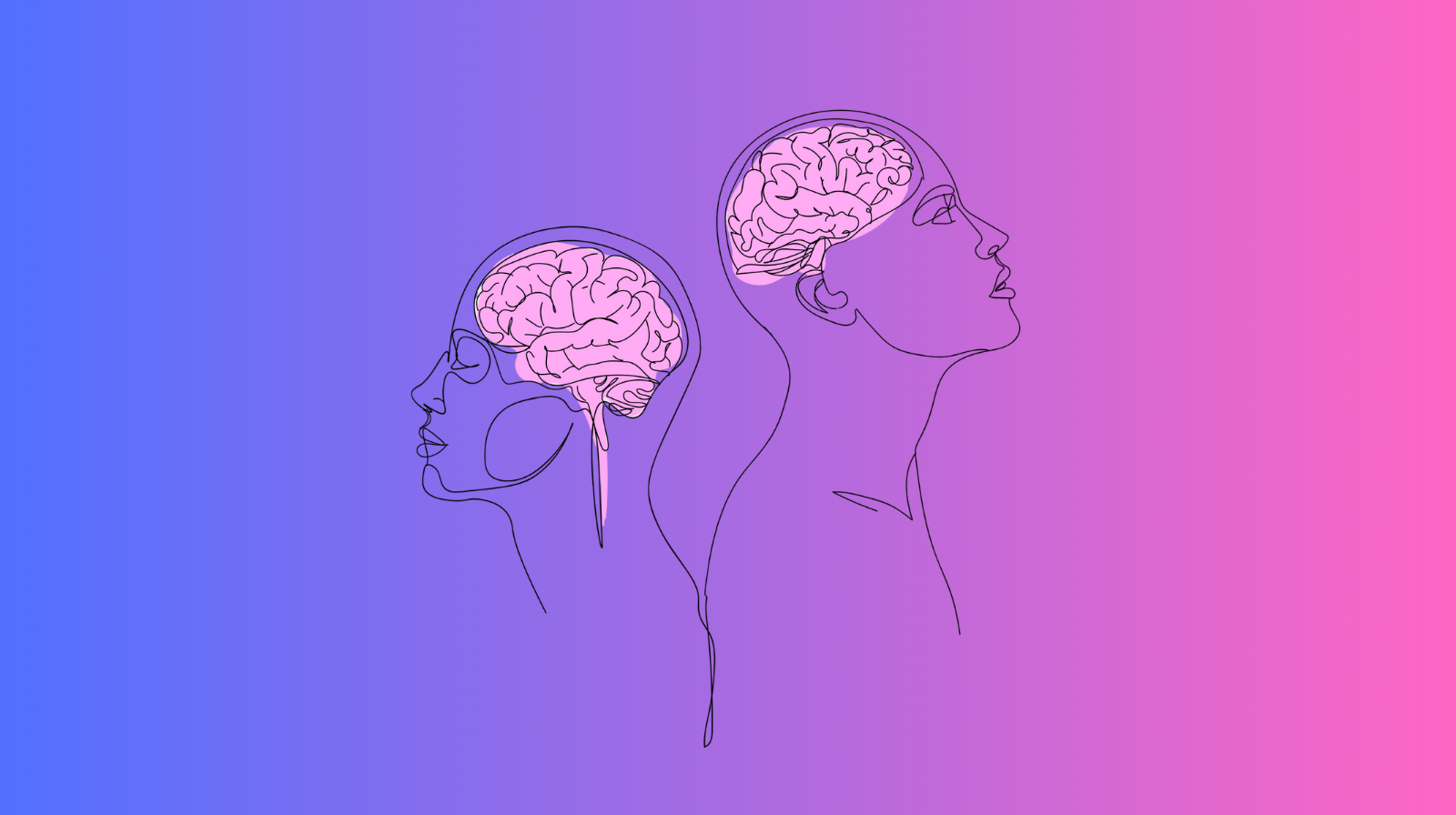
International Epilepsy Day, once again foregrounds the lived realities of people living with epilepsy, marked by resilience, loss, and hope. With an estimated 10–12 million people affected, India bears nearly one-sixth of the world’s epilepsy burden, despite the condition being among the most treatable neurological disorders. Notwithstanding effective treatments and clear policy intent, epilepsy remains neglected, sustaining one of India’s most persistent treatment gaps. According to recent statistics report, proportion of people who remain untreated is estimated to as high as 70–90% in rural India.
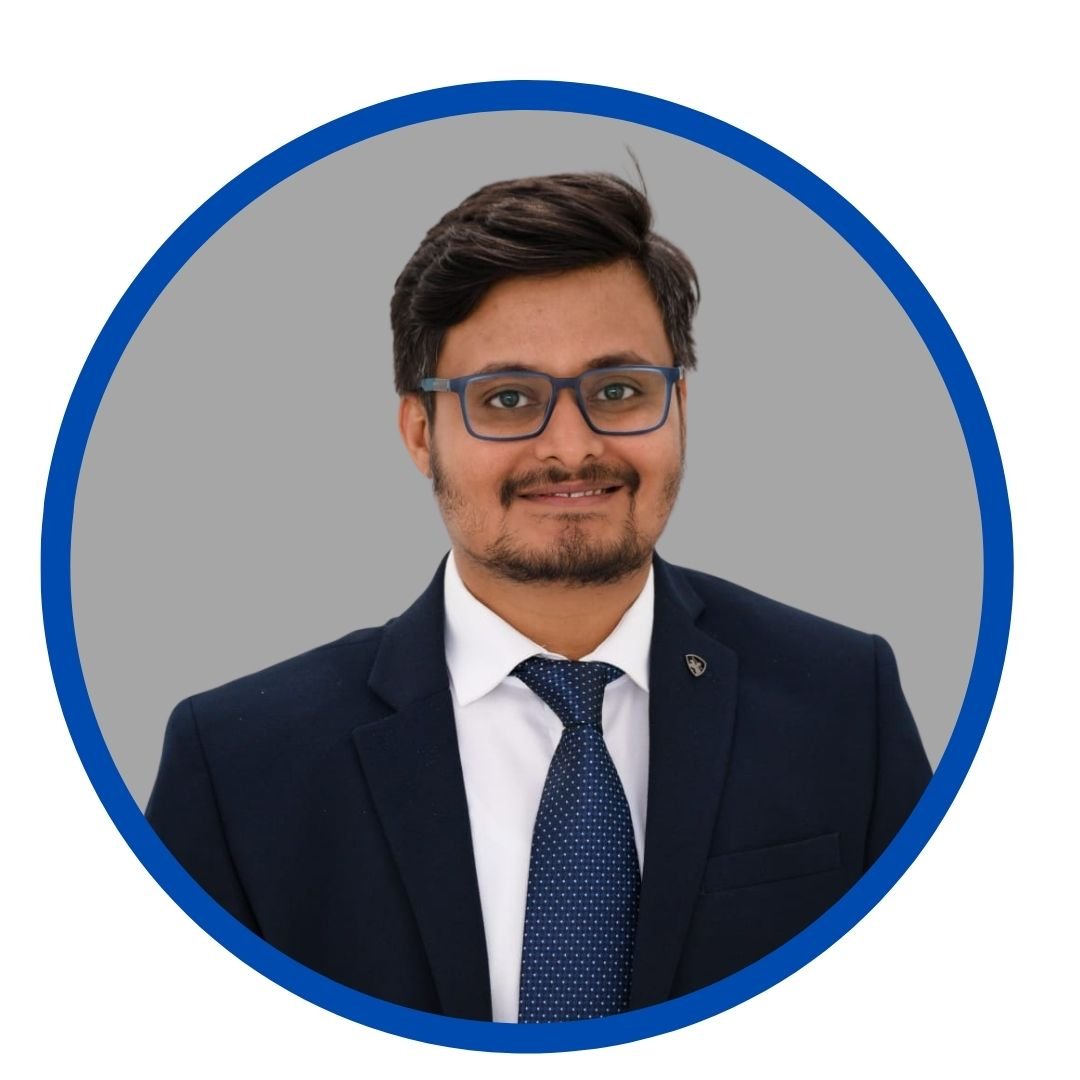
Dr. Hemant Kumar Tiwari, Public Health Researcher (Epilepsy and Primary care Specialisation) AIIMS, New Delhi
We have heard stories that reflect social lens through which epilepsy is viewed. An enduring tyranny of stigma that misinterprets seizures as weakness or misfortune is an existing reality that leave suffering of people with epilepsy unseen. These stories are echoed in the media, where epilepsy is too often portrayed through stereotypes that reinforce fear and deepen stigma. In our society, seizures are thus interpreted through cosmologies of curse and possession; families turn to exorcists, astrologers and unlicensed faith healers before they turn to medicine. There is a widespread refrain that casts stigma as the main explanation for poor treatment uptake in epilepsy.
However, our field observations suggest a different narrative. Specialist outreach camps across rural and tribal regions of North and Central India reveal a complementary reality. When neurologists from tertiary centres conduct periodic epilepsy clinics, large numbers of patients assemble in queues before dawn and stretch till midnight. Public announcements preceding such camps ensure widespread community participation. People who would never walk into their local primary health centre travel hours for a brief ten-minute consultation with a distant authority. It is not indifference to care that we witness, but a deficit of trust in the primary system.
For decades, global and national guidance including the vision of World Health Organization has emphasised that epilepsy care must be brought to primary care. The rationale is straightforward: primary health systems are closest to communities and best positioned for early diagnosis and continuity of care. Still in practice, while advances in neuroimaging, diagnostics and surgical interventions have expanded the frontiers of specialist care, basic diagnosis and sustained treatment at the primary-care level remain inadequate and, in many settings, entirely absent.
Even when a patient does arrive at the primary facility, clinical recognition frequently remains inadequate. Predictably, patients bypass the primary health centre and travel often at great cost to distant private clinics or tertiary hospitals. The spectacle is indicative that people are willing to seek care, but only when they believe expertise resides there. Many primary-care physicians lack formal training in eliciting seizure history, classifying seizure types or initiating anti-epileptic medication. As a result, diagnosis is deferred and referral becomes the default response.
Current estimates show that 70% of people with epilepsy can be controlled with often just a single drug. The irony is exquisite: anti-epileptic medicines are duly stocked in primary health centre pharmacies, listed on essential drug schedules, yet prescriptions rarely follow. This sheds light on a system where supply exists, but availability does not translate into utilisation. Drug resistance is common among the remaining 30% of cases, for whom epilepsy surgery can be life-changing and requires referral to specialist centres.
The problem lies not in absence of policy frameworks or national initiatives for epilepsy care. International bodies continue to issue refined guidelines.Under Ayushman Bharat Yojna, Epilepsy surgery is covered, however only handful of centre across the country provide Epilepsy surgery services. District hospitals have been designated for epilepsy services and Community Health Officers are positioned to identify cases at the household level and link patients to care. Implementation lags behind intention, in part because epilepsy care lies between neurology and mental health, with no clear placement in existing health programmes.
Bridging the gaps requires strengthening training in seizure recognition at primary level, ensuring uninterrupted medicine supply with rational prescribing, building referral networks that function predictably and expanding community awareness to counter stigma and misinformation. Referral pathways must be swift and accountable. Community health workers must serve as frontline sentinels, identifying cases, supporting adherence and safeguarding psychological well-being of patients and families at the community level. Public literacy must replace superstition with science and fear with familiarity. Above all, designing services in dialogue with service users ensures relevance.
On this International Epilepsy Day, let us move beyond ceremonial concern. In India’s Amrit Kaal, rising health financing and research investment offer an opportunity to translate policy into sustained practical actions, bridging persistent gap between knowledge and execution to produce tangible health outcomes.
Got a story that Healthcare Executive should dig into? Shoot it over to arunima.rajan@hosmac.com—no PR fluff, just solid leads.