
Will Digitisation Give Competitive Edge to Hospitals?
By Arunima Rajan
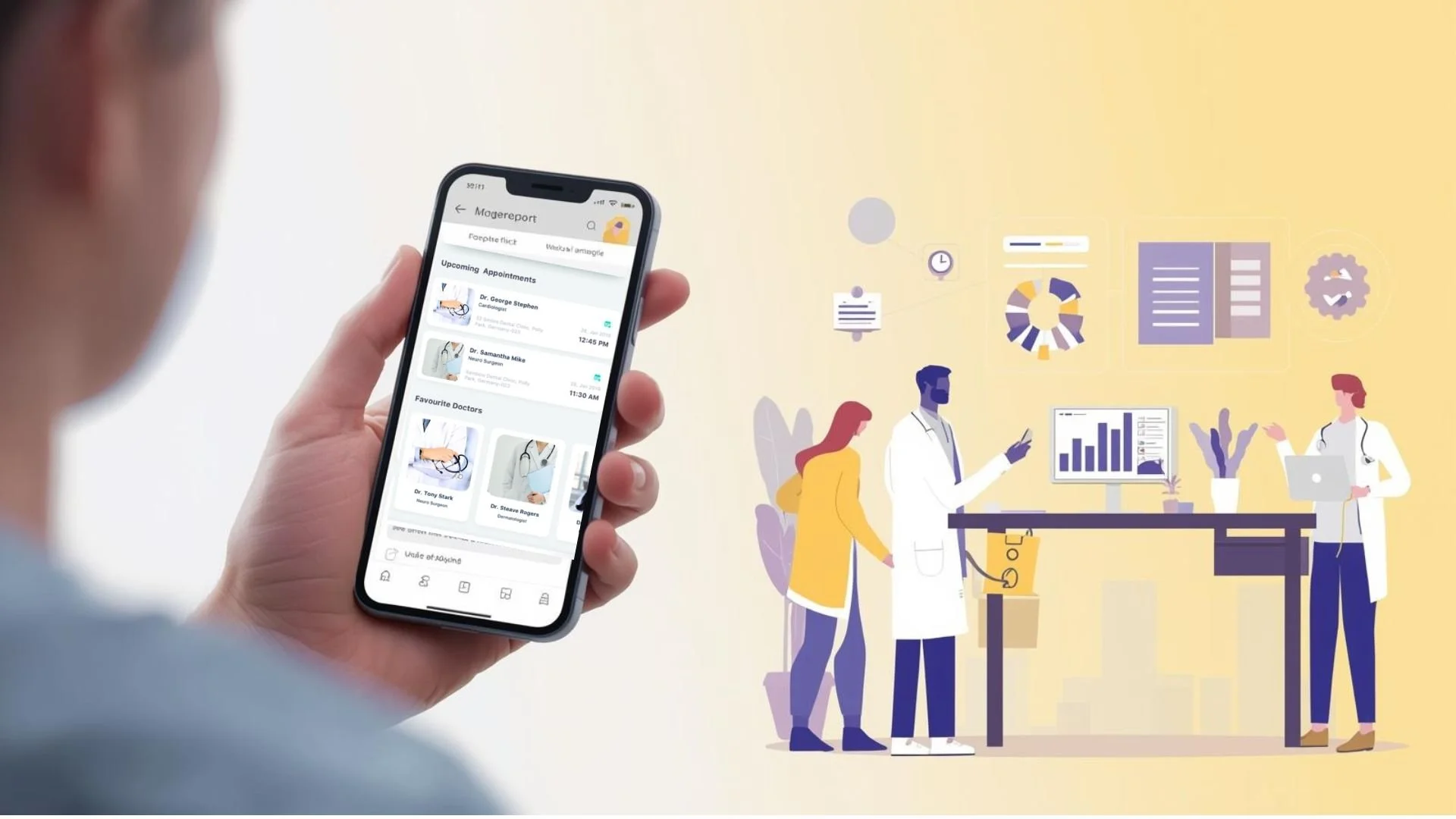
Hospitals in India have been cautious about technology. That is changing. The question is no longer whether to digitise, but how to do it without slowing care.
For decades, hospitals in India largely considered digitisation an unnecessary expense. That perception is rapidly changing. As the healthcare sector becomes more complex and competitive, it is no longer a luxury but a necessity for survival.
“Over the next five years, the most transformative digital tools in hospitals will be those that make tedious or error-prone processes more efficient rather than those that attempt to replace clinical judgment,” says Anurag Agrawal, Professor and Dean, Trivedi School of Biosciences, Ashoka University.

Anurag Agrawal, Professor and Dean, Trivedi School of Biosciences, Ashoka University.
Agrawal points out that voice-to-digital data (V2DD) systems, for instance, can automatically convert consultations into structured electronic medical records, dramatically reducing the clerical burden on clinicians while improving data quality. “Similar automation can streamline the reading and organization of existing medical records, enabling faster and more accurate review for both doctors and patients. Tools that automate administrative tasks such as insurance claims or discharge summaries will further reduce inefficiency and errors.”
AI applications that directly intervene in patient care will likely take longer to scale, given their higher risk of error and regulatory complexity; such models may initially find more traction in public health, where aggregated data and probabilistic predictions can be applied more safely and effectively. “Our work aligns with this pragmatic trajectory. We are developing and deploying V2DD systems to simplify clinical documentation, alongside decision-support tools for public health that focus on validation and evaluation of AI models before they are implemented. We also create AI-driven assistants, such as chatbots, for palliative care and for triaging abdominal pain, but the larger focus of our research is on building open frameworks for rigorous evaluation because without trust, AI in healthcare cannot scale,” says Agrawal.
According to Agrawal, the biggest challenge in India remains the limited penetration of electronic medical records themselves, which hinder both innovation and deployment. Once that foundation is in place, AI adoption will accelerate rapidly. Voice-to-digital systems can serve as the bridge, incentivising doctors by saving time rather than adding data-entry work. While Indian clinicians have historically been cautious about new technology, this scepticism is shifting as AI demonstrates tangible benefits in efficiency and accuracy. He adds that, in innovation and intent, India is not far behind global peers; the real challenge is ensuring uniform digital infrastructure across a highly heterogeneous healthcare system. With practical, efficiency-oriented technologies leading the way, hospitals in India could leapfrog over many of the intermediate stages that others have taken decades to traverse.
Lessons from Radiology
If healthcare’s digital future has an early example, it is in radiology. Radiology was among the first specialties to digitise, yet most hospitals still rely on PDF reports that cannot be searched or analysed.

Dr Arjun Kalyanpur, Chief Radiologist and Co-Founder, Teleradiology Solutions / dAIgnostiX
Arjun Kalyanpur, Chief Radiologist and Co-Founder, Teleradiology Solutions / dAIgnostiX says healthcare professionals will need to be more open-minded about adopting new technologies. “The radiologist of tomorrow will need to have a skillset that includes a basic understanding of information systems and applications. In an online emergency radiology fellowship that we run, we communicate such skills to the fellows to ensure they are comfortable with digital technologies from the very outset. An understanding of AI algorithms, including their pros and cons, is going to be necessary for radiologists to utilise the plethora of available AI tools more effectively.
From the clinical standpoint, radiologists will need to embrace their new role as imaging consultants who spend more of their time communicating with clinicians, as opposed to their simply working in isolation, reporting studies. This will ensure better bidirectional flow of information that will enable more optimal patient care ,” he says.
The radiologist of tomorrow will be a clinically focused, AI and teleradiology-enabled, research-empowered, high-level imaging consultant, whose impact on the patient care paradigm will remain undiminished, although radically altered from today, explains Kalyanpur.
“In India, Picture Archiving and Communication System has traditionally evolved in advance of Radiology Information System. The focus has been on delivering digital images to the radiologist for their review. By contrast, the process of report generation has remained relatively static, often relying on the radiologist typing their own report, or even writing by hand. Voice recognition solutions have only become available in recent years. As a consequence, structured/templated reports have not been uniformly adopted. Teleradiology has changed this, by emphasising the importance of workflow,” he adds. In his organization, a structured templated reporting workflow developed in-house has allowed for efficient reporting using standardised radiology terms. It has yielded huge productivity and also allowed for efficient onboarding of new radiologists into the practice,” notes Kalyanpur.
AI tools in radiology promise faster reads and consistency, but many are trained on Western data. “In India we can and should build our own imaging datasets for the development of homegrown AI products. In our organisation, we have developed 15 AI algorithms which are Made in India and are intended to be deployed within India as a not-for-profit for the purpose of ‘AI for good’, which is our mission. The teleradiology infrastructure effectively lends itself to the creation of such databases by accumulating data from a wide range of hospitals and imaging centres across the country. The government can also play a role in this regard through the national knowledge network. In addition, initiatives by educational and research institutions can also play a role,” he adds.
A Case Study

Sameer Kulkarni, CEO, Dr. L H Hiranandani Hospital
At Dr. L H Hiranandani Hospital, digital transformation is now a key part of its clinical and operational strategy. “The adoption of electronic medical records (EMR) and hospital information systems (HIS) has enhanced clinical efficiency through real-time data access, reduced communication gaps, and improved continuity of care. Clinicians now have patient records and investigations available instantly, enabling faster and more informed decisions. The hospital’s mobile app, with over 25,000 downloads, has become a key engagement tool. Patients can book appointments, access reports and view invoices digitally. Thirty-three per cent of appointments are booked through the app, and over 67% of reports are retrieved online. The hospital has also launched Concierge, a service platform for inpatients to ensure time-bound care delivery and streamlined bedside coordination. New initiatives such as area-specific digital feedback mechanisms capture focused feedback from different patient groups (OPD, IPD, emergency and specialty clinics), enabling targeted service improvements. Collectively, these measures have positioned Hiranandani Hospital among digitally mature healthcare institutions that combine technology with patient-centricity,” says Sameer Kulkarni, CEO of the hospital.
The hospital is now integrating AI and analytics into clinical and administrative workflows. Digital dashboards track early warning signs and potential risks in inpatient and critical care settings, supporting timely and preventive interventions. AI-driven workflow optimisation has reduced manual documentation and turnaround times for diagnostics and discharge summaries, enhancing clinician productivity and patient throughput. Additionally, EMR and MIS data are leveraged to generate predictive insights on readmissions, infection trends and departmental performance. “These analytics support proactive decision-making and reinforce evidence-based, standardised clinical outcomes. Several preventive medicine initiatives focused on risk stratification, population outreach and early intervention are currently in project phase and will further harness EMR data and predictive analytics when rolled out,” says Kulkarni.
The transition to a fully digital ecosystem required extensive change management. Shifting from traditional workflows and ensuring clinician buy-in were key challenges. “We addressed this through phased implementation, continuous training, and process reengineering, keeping the focus on patient outcomes rather than compliance,” he adds.
The hospital’s ROI framework measures impact across four dimensions:
Clinician Adoption: 63% OPD and 80% IPD EMR compliance achieved
Patient Satisfaction: Enhanced access and convenience through digital appointments, reports, billing and concierge services
Operational Efficiency: Reduced time spent on manual records, improved data accuracy, and faster reporting through MIS dashboards
Data Insights: Real-time monitoring of performance indicators and risk patterns to strengthen governance and inform preventive programs
The result is a multidimensional return — financial, experiential and clinical — solidifying our commitment to intelligent, patient-first healthcare.
Building trust in AI
Globally, AI is becoming part of mainstream healthcare rather than an experimental tool. Institutions are using AI to automate processes and documentation, interpret imaging and improve patient engagement. For example, clinical imaging systems already carry multiple approved algorithms that help radiologists interpret scans faster and more accurately. Digital scribing and ambient listening tools are now common in hospitals, freeing physicians from screens and returning focus to the patient. Generative AI copilots are helping clinicians summarise charts, draft clinical notes and assist with complex decisions.
“These applications show that AI restores human value by giving time back to caregivers. The larger lesson is that success comes from understanding healthcare as deeply as the technology itself. Hospitals that embed AI into their workflows, align it with clinical goals, and train care teams to use it confidently are seeing the most sustainable results. The Indian healthcare system caters to a very large population of patients, and demands on the healthcare workers are only going to grow. Hence, there is an opportunity to pick relevant use cases, scale them and use it to enhance the quality of care, workflows and patient engagement,” says Srinath Rao, EVP, CitiusTech.
The Cybersecurity Imperative
Rao continues: “As hospitals evolve into connected ecosystems of clouds, sensors and digital platforms, cybersecurity has become central to patient safety. Protecting sensitive data requires both discipline and shared responsibility. Core practices include encrypting data in storage and during transfer, enforcing role-based access, and adopting zero trust models with continuous verification. Hospitals are also deploying real-time monitoring through security operations centres, automated threat detection and incident response frameworks that follow standards such as National Institute of Standards and Technology (NIST). Regular penetration testing, staff awareness programs, and compliance with data protection regulations form the backbone of digital trust. Even the best technology is only as strong as the people who use it, so training clinicians and administrators to recognize phishing attempts and handle data securely is critical. True resilience comes when cybersecurity, interoperability, and scalability are designed together, not layered as afterthoughts. That integration ensures care remains safe and continuous even when digital threats arise.”
The Road Ahead
The future of healthcare is heading toward patient ownership of data through secure, cloud-based national records and personal data wallets. For this shift to be safe and practical, it requires robust digital infrastructure, clear consent frameworks, and strong cybersecurity foundations. “Interoperable data architectures must enable individuals to access, share, and control their health information while ensuring that privacy is never compromised. Consent-driven data exchange can give patients agency and transparency in how their information is used for care or research. Cloud modernization plays an important role here, allowing secure storage, scalability and auditability of records. The challenge lies in aligning multiple stakeholders around common standards. When these elements come together, healthcare becomes not only more connected but also more democratic, empowering people to participate actively in their own health journeys,” says Rao.

Rustom Lawyer Explains the Shift from Digital Records to Digital Strategy
Most hospitals began their digital record journey to fix handwriting and audit issues. At what point did you see the shift from recording data to mining data for insights — and what triggered it?
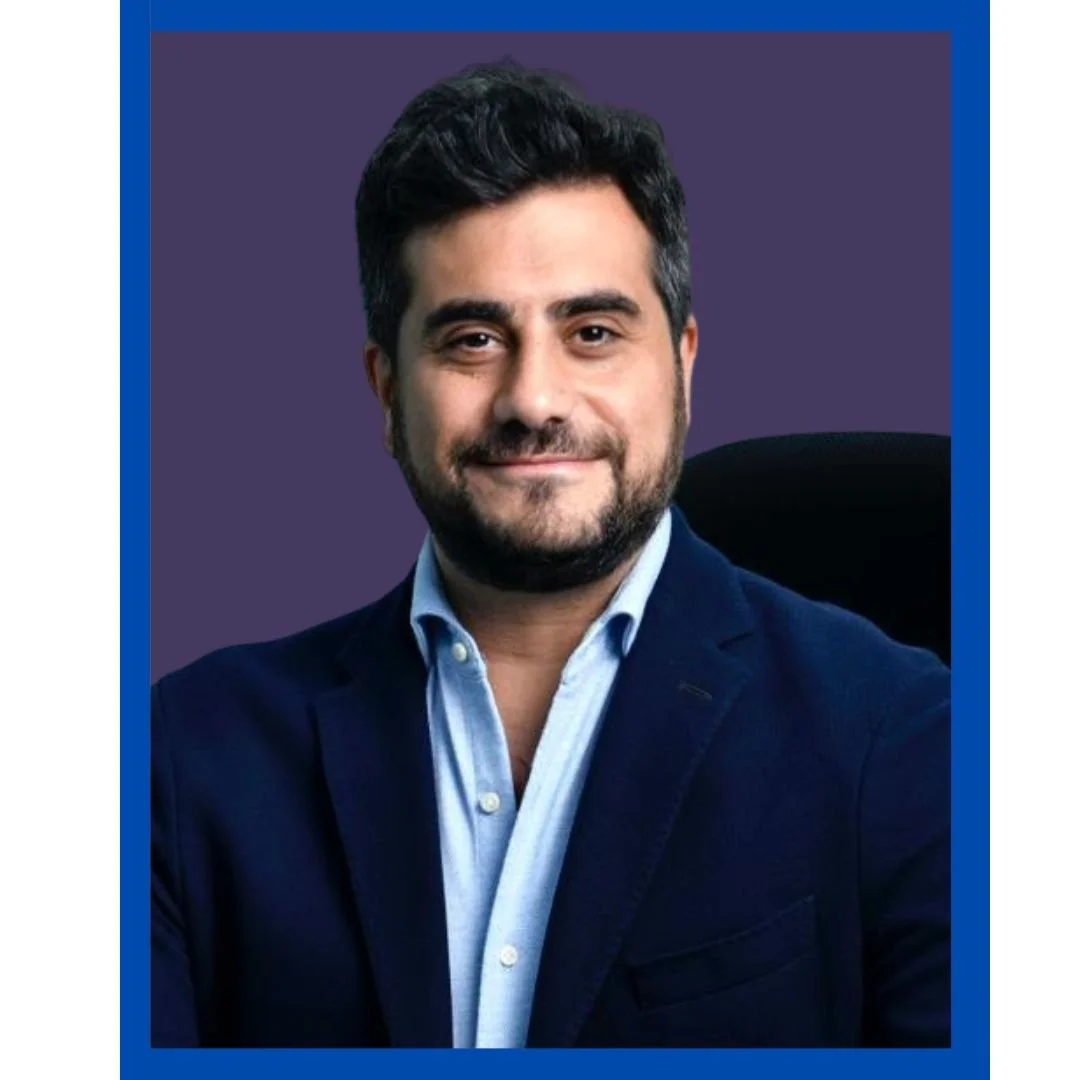
Rustom Lawyer, Co-Founder and CEO,Augnito
The initial digital journey for most hospitals was born out of necessity: to create legible records and establish clear audit trails. The focus was purely on capturing data. However, the turning point from simply recording data to actively mining it for insights was triggered by two key factors: the sheer volume of accumulated data and the simultaneous maturation of AI and machine learning. Hospital leaders began to realize that the structured data sitting in their EMRs was a vastly underutilized asset. It held the potential to not only streamline operations but also to uncover clinical trends, optimize revenue cycles, and drive predictive health initiatives. The conversation shifted from 'Are our records accurate?' to 'What can our records tell us about improving patient care and business efficiency?
Hospitals now frame digital documentation as a business advantage, not just compliance. How do you see EMR adoption shaping competitiveness among India’s private hospital chains in the next three years?
For India's private hospital chains, EMR adoption is rapidly moving beyond a compliance checkbox to become a significant competitive differentiator. Over the next three years, the leaders will be those who use their digital infrastructure not just to manage records, but to deliver superior patient outcomes and operational excellence. The competitive edge will come from leveraging EMR data to optimize patient flow, reduce claim denials through higher-quality documentation, and enhance clinician efficiency. Hospitals that integrate advanced AI tools, like ours, into their EMRs will see the most significant gains. They will empower their doctors to handle more consultations, improve diagnostic accuracy, and ultimately build a reputation for technologically advanced, patient-centric care – which is a powerful magnet for both patients and top clinical talent.
You’ve long argued that forcing doctors to type breaks the patient connection. What does an ideal documentation workflow look like in 2025 — one that balances speed, empathy, and accuracy?
Forcing a doctor to type on a keyboard fundamentally breaks the human connection with a patient. The ideal clinical documentation workflow in 2025, which we are building today, is one that is entirely ambient and invisible. It's a workflow where the technology operates in the background. Imagine a physician having a natural, empathetic conversation with a patient, with no need to turn to a computer. Our Ambient Clinical Intelligence technology listens to this conversation, discerns the clinically relevant information, and structures it automatically into a comprehensive note directly within the EMR. This process balances speed, accuracy, and empathy by removing the administrative burden from the physician, allowing them to give their undivided attention to the patient while ensuring a detailed and accurate record is created simultaneously. It restores medicine to its intended state: a human-to-human interaction.
How much has Augnito evolved from dictation software to contextual understanding — e.g., recognising medical jargon, accents, and even clinical intent? Can it now summarise rather than merely transcribe?
Augnito has evolved significantly from its origins as a dictation tool. Our initial goal was to offer best-in-class, 99% accurate speech-to-text, but we quickly recognized that transcription alone wasn't enough. The real challenge was clinical understanding. Today, our AI is not just transcribing; it's interpreting and structuring clinical narrative. This is powered by our Augnito Omni AI Contextual Engine, which serves as the reasoning layer of our Omni AI Scribe, Coding and CDI Agent platforms.
This engine deeply integrates with the EMR to synthesize a patient's entire history – their chronic conditions, medications, lab results, and even insurance requirements. It understands complex medical jargon and diverse accents, but more importantly, it grasps clinical intent. For example, during a consultation, it can connect a patient's spoken symptoms to their known history and suggest a differential diagnosis or flag a pending lab test. So, to answer the question directly: yes, it can now summarize and synthesize rather than merely transcribe. It transforms a natural conversation into an intelligent, actionable clinical record, moving far beyond simple dictation.
If you had to predict one metric that will define leadership in India’s digital health market by 2030 — will it be adoption rates, data quality, or patient outcomes?
While adoption rates and data quality are crucial foundational steps, I believe the single metric that will define leadership in India’s digital health market by 2030 will be patient outcomes tied to the quality of the clinician-patient experience. Technology adoption for its own sake is meaningless. The ultimate measure of success won't be how many hospitals use AI, but how that AI frees clinicians from administrative burdens to foster deeper, more empathetic human connections with their patients. Are doctors building better rapport? Are diagnoses more accurate because they can focus entirely on the patient? Are patient satisfaction scores improving? The winner in the digital health race will be the one who most effectively uses technology to augment humanity in healthcare, not replace it.

Got a story that Healthcare Executive should dig into? Shoot it over to arunima.rajan@hosmac.com—no PR fluff, just solid leads.