
Why Cervical Cancer remains Preventable yet Persistent in India
By Dr Asha Dalal, Director, Obstetrics & Gynaecology, Sir H.N. Reliance Foundation Hospital, Mumbai
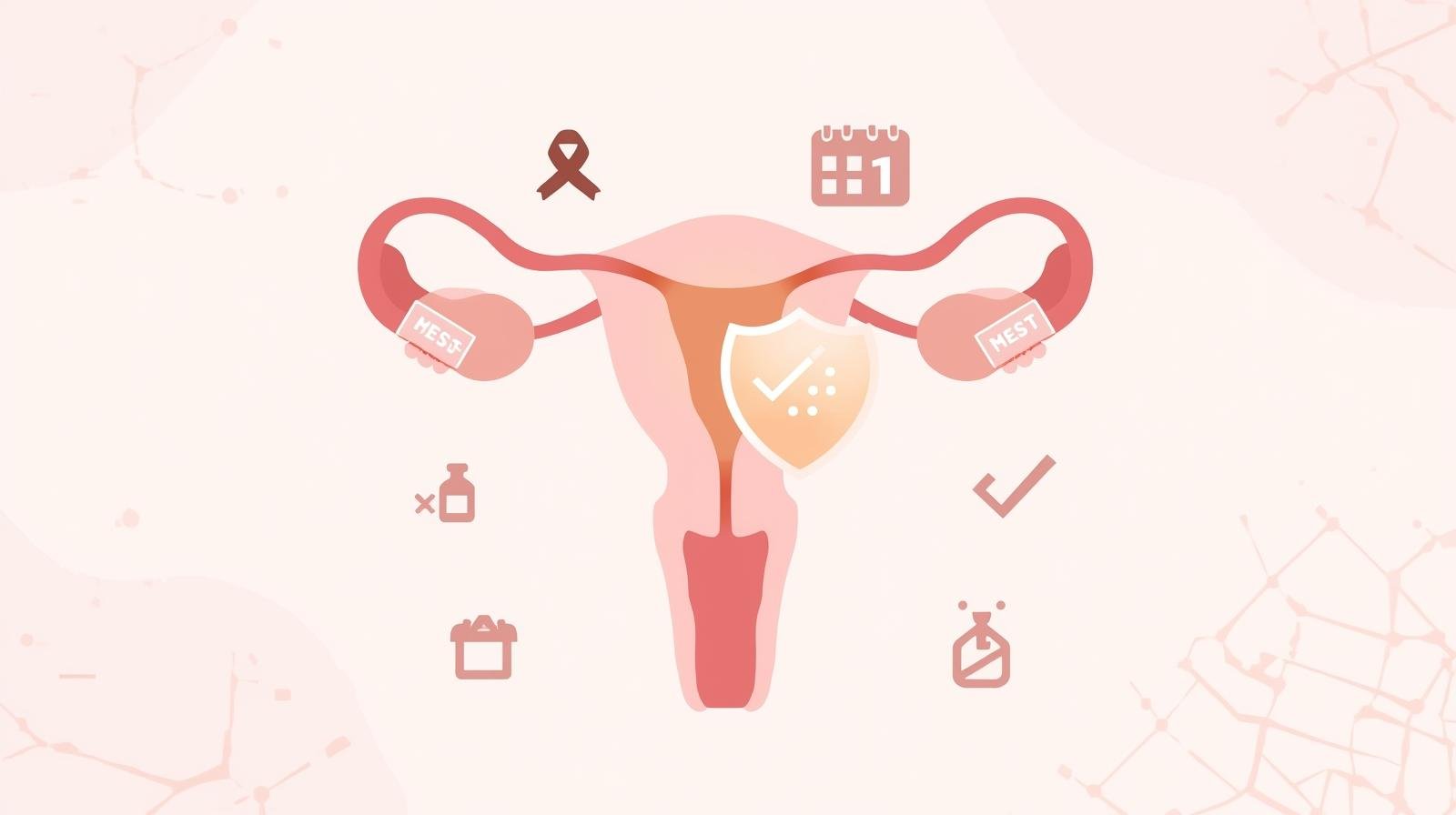
Cervical Cancer Awareness Day highlights the urgent need for prevention strategies in India, where the disease remains a leading cause of cancer deaths among women. These perspectives highlight prevention gaps, emphasise ground-level changes over policy alone to curb the burden.
Evolving Disease Burden
Over the past decade in clinical practice, the overall burden of cervical cancer, appears to have shifted modestly rather than declined. Cancer cases in India have shown a troubling shift toward younger ages at presentation, with median diagnosis ages rising from around 47 to 54 years in some registries, yet many patients now appear in their 30s and 40s due to delayed detection. Stages at diagnosis remain advanced, over 70% present at stage III or IV, indicating prevention failures like low screening uptake and HPV awareness gaps, as opportunistic programmes miss high-risk groups under 30 or over 65. This trend signals that current efforts prioritize logistics over early intervention, allowing preventable cases to progress.
HPV Vaccination Barriers
In private practices, cost tops barriers to HPV vaccination uptake, with vaccine prices deterring middle-income families despite availability. Parental hesitancy stems from myths linking HPV to promiscuity, compounded by lack of awareness that 80% of sexually active women encounter the virus, and missed clinic opportunities where vaccination isn't bundled with routine visits. Many parents also have concerns about its safety , fertility concerns or the belief that vaccination is unnecessary before sexual activity. Gynaecologists report 60-70% refusal rates among eligible girls aged 9-14, underscoring the need for affordable generics and education.
Counselling Amid Policy Gaps
Counselling families about HPV vaccination without a nationally uniform rollout requires a careful evidence based approach.We rely on Global data, WHO recommendations and Indian studies to explain the safety and efficacy of the HPV vaccine.
It involves framing HPV vaccination as routine like tetanus boosters, using infographics to explain its 90% efficacy against key strains without delving into sexual transmission details that spark resistance. The lack of a uniform national rollout, unlike government pilots in select states, breeds confusion over dosing (2 vs 3) and eligibility, eroding trust as parents question "Why private only?". This ambiguity delays decisions, with 40% of counselled families postponing until "free programs launch," per clinician anecdotes.
Screening Constraints
Private hospitals face time crunches during 10-15 minute OPD slots and also the Pap smears cost money. There is also a limited patient readiness for preventive testing. Many times screening is restricted to free camps or Routine health check-ups. All women do not go for regular health checks. Screening is not seen as urgent by asymptomatic women. Patient compliance falters due to stigma around pelvic exams, rural-urban travel burdens, and poor follow-up systems like absent SMS reminders or tele consult links. Resulting in just 10-20% routine screening versus 80% incidental during pregnancies, these factors keep screening opportunistic
Lessons from Global Models
Australia's success blends school-based vaccination (80% coverage) with organised 5-yearly HPV-DNA screening from age 25 and digital registries for recalls. In private Indian hospitals some elements of this model are realistic like digital record keeping , reminder systems and risk based screening protocols. However Population level registries and centralised follow up systems are difficult due to fragmented health care delivery and patient mobility.
Leveraging Routine Visits
Gynaecology OPDs see 70% of women for antenatal, infertility, or menstrual issues rather than preventive services. integrating brief Counselling on Screening and vaccination can make a difference. A 2-minute VIA screening or HPV self-swabs at these touchpoints, training nurses to handle initial results and freeing doctors for abnormal can go a long way.
HPV Vaccination discussions should be during routine adolescent check-ups without extra time, boosting prevention by 30-40% in practices. Patients appreciate bundled care, avoiding "cancer talk" stigma in standalone camps.
Strengthening Follow-Up
Follow up remains one of the weakest links in cervical cancer prevention. While screening may be conducted, ensuring women return for results, repeat testing or treatment is difficult. Effective systems include automated WhatsApp/SMS post-screening schedules, integrated electronic medical records, and dedicated mid-level preventive care providers, for recalls, reducing loss-to-follow-up from 50% to 20% in urban privates. Lacking are integrated EMRs linking labs to OPDs and incentives for compliant patients, leading to defaults. Hybrid tele-follow-ups post-COVID have cut no-shows by 25%, proving scalable.
Strengthening continuity requires both system level solutions and patient education.
Practice-Level Changes Needed
To make cervical cancer preventable, gynaecologists must normalise 1-minute risk assessments in every visit, mandating screening/vaccination protocols as default rather than optional. nurse-driven camps and self-sampling to scale reach 3x, while advocating bundled pricing to drop costs.
Leveraging every patient interaction as a preventive opportunity to create impact.
Prioritise Integration over only awareness
Despite being one of the most preventable malignancies, cervical cancer remains a significant public health challenge in India.
As clinicians, embedding prevention into routine care, advocating for vaccination and ensuring follow up can help reduce the burden of cervical cancer.
Author: Mathew George, mathewg@cukerala.ac.in, is Professor at the Department of Public Health and Community Medicine, Central University of Kerala, Kasaragod.
Got a story that Healthcare Executive should dig into? Shoot it over to arunima.rajan@hosmac.com—no PR fluff, just solid leads.