
Treating India’s cancer care system
By Arunima Rajan
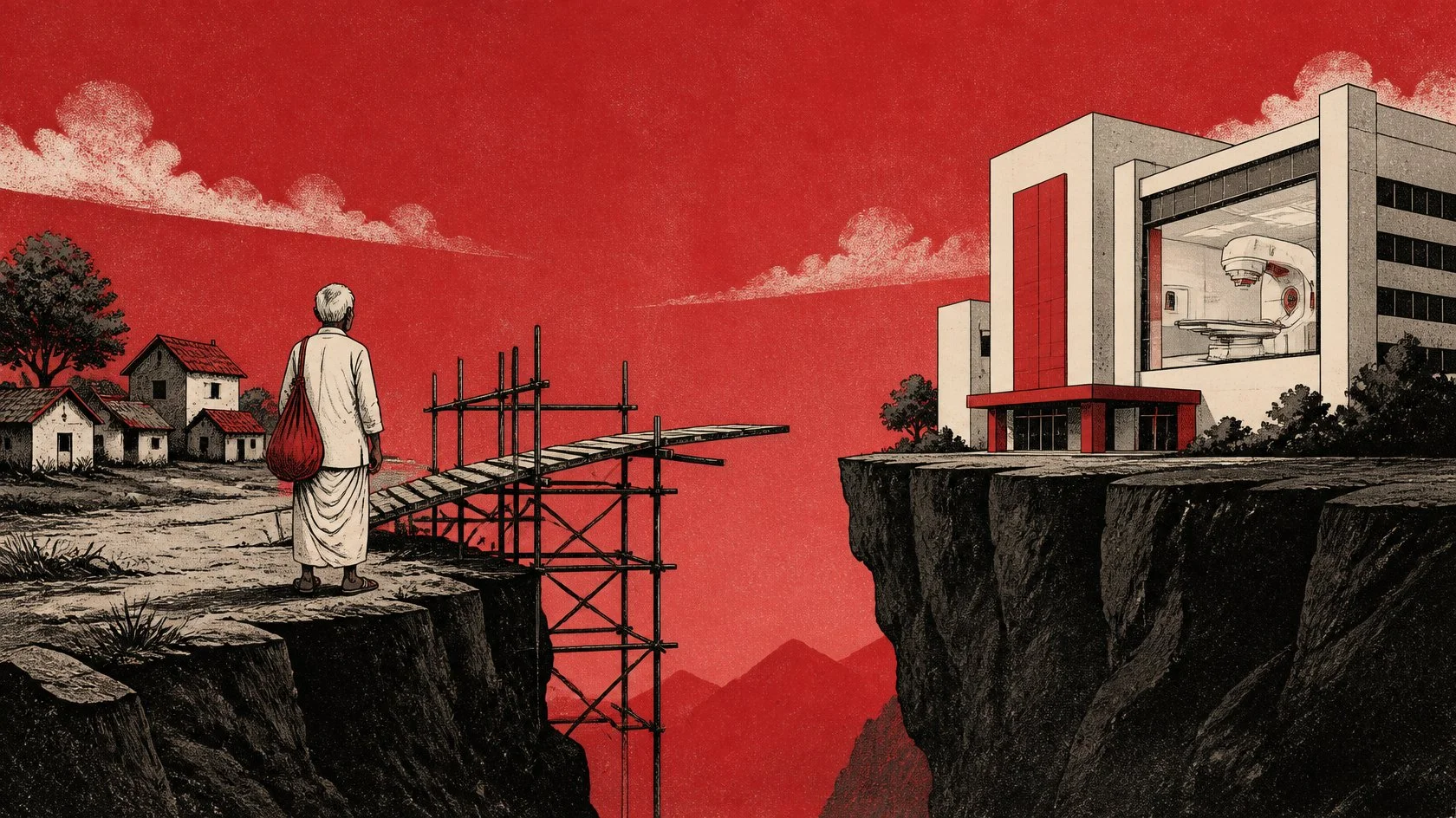
A white paper says the business of building capacity in the cancer treatment ecosystem needs a radical overhaul in thinking. The facilities for comprehensive treatment are concentrated in major cities, placing a crushing burden on patients elsewhere.
Mansur*, a retired teacher in his 80s, travels hundreds of kilometres every month from Nagercoil, his hometown, to Chennai for chemotherapy at Apollo Cancer Centre, Teynampet. He has no health insurance and has already borrowed ₹3 lakh from a friend for his treatment. He has undergone surgery once, and his doctors say another is not an option given his age.
For lakhs of cancer patients like Mansur, the long-term treatment that cancer demands means they must travel from small towns to metros such as Chennai, Mumbai or Delhi, where most of the big cancer hospitals and specialists are concentrated.
A recent white paper by healthcare consultancy HOSMAC, titled Cancer Care in India: Bridging the Infrastructure Gap from Burden to Opportunity, looks at how to deploy clinical and capital resources. HOSMAC’s managing director, Dr Vivek Desai, commissioned the paper.
Abha Shah, the paper’s author, explains why HOSMAC took up the project. “After three decades of planning and designing hospitals, we noticed a rising burden of cancer and a growing demand for adequate cancer care. The purpose of the paper was to inform and turn the evidence into a view of incidence and the infrastructure needed.”
Account for patients old and new
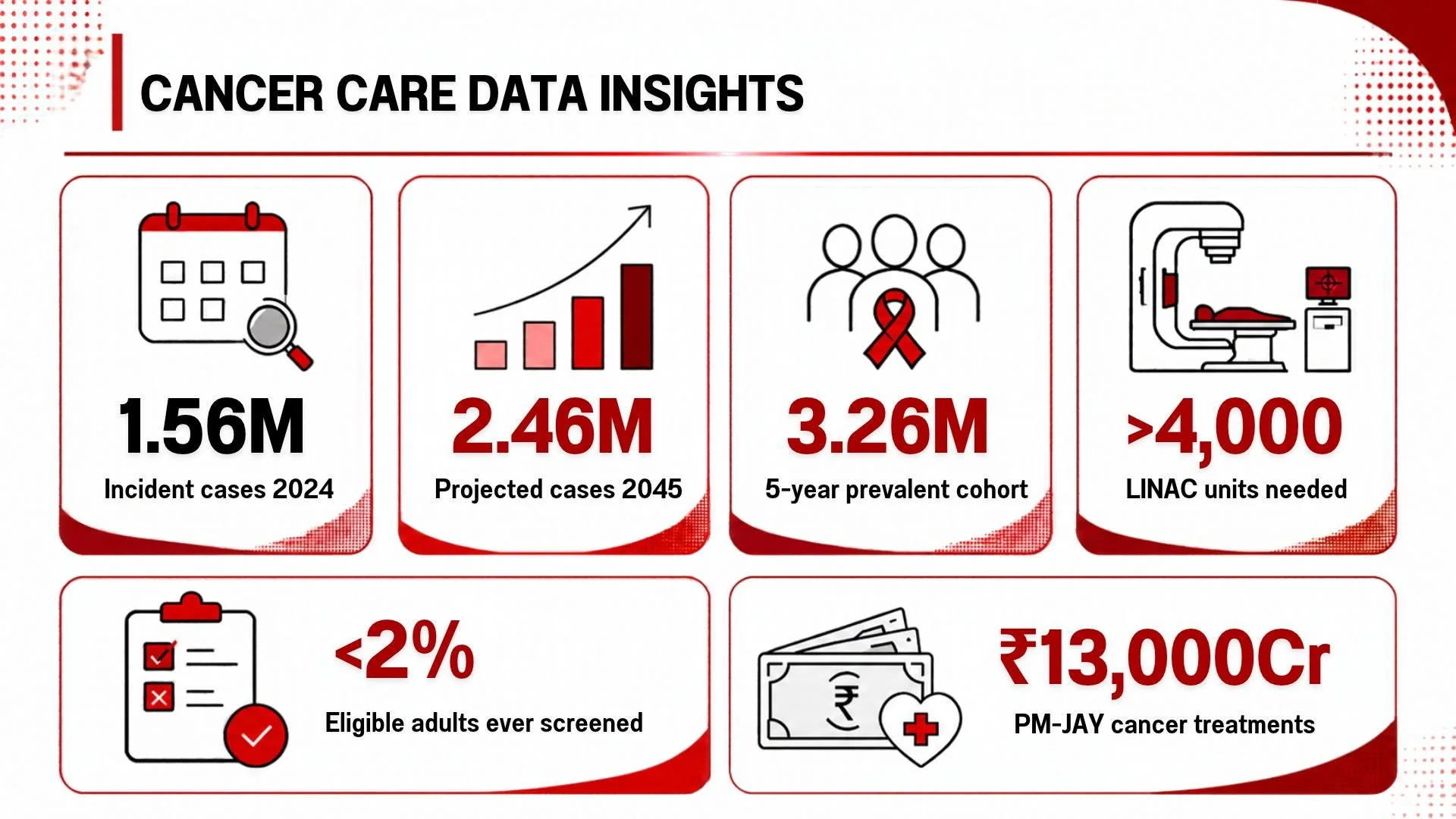
Historically, planners have gauged the infrastructure deficit by counting the sick and the machines, then buying more machines. But cancer requires continuous care, so any plan that focuses only on new cases will fall short. To understand the real infrastructure burden, it is important to look at the prevalent cohort, the people already inside the system. The white paper puts the five-year prevalent cohort, meaning people alive who were diagnosed with cancer in the previous five years, at 3.26 million.
Mapping burden, capacity and access
HOSMAC’s paper uses a burden–capacity–financing framework. “It asks where demand is rising, where infrastructure fails to turn need into timely treatment, and which investments return the most,” says Shah.
Shrink the distance
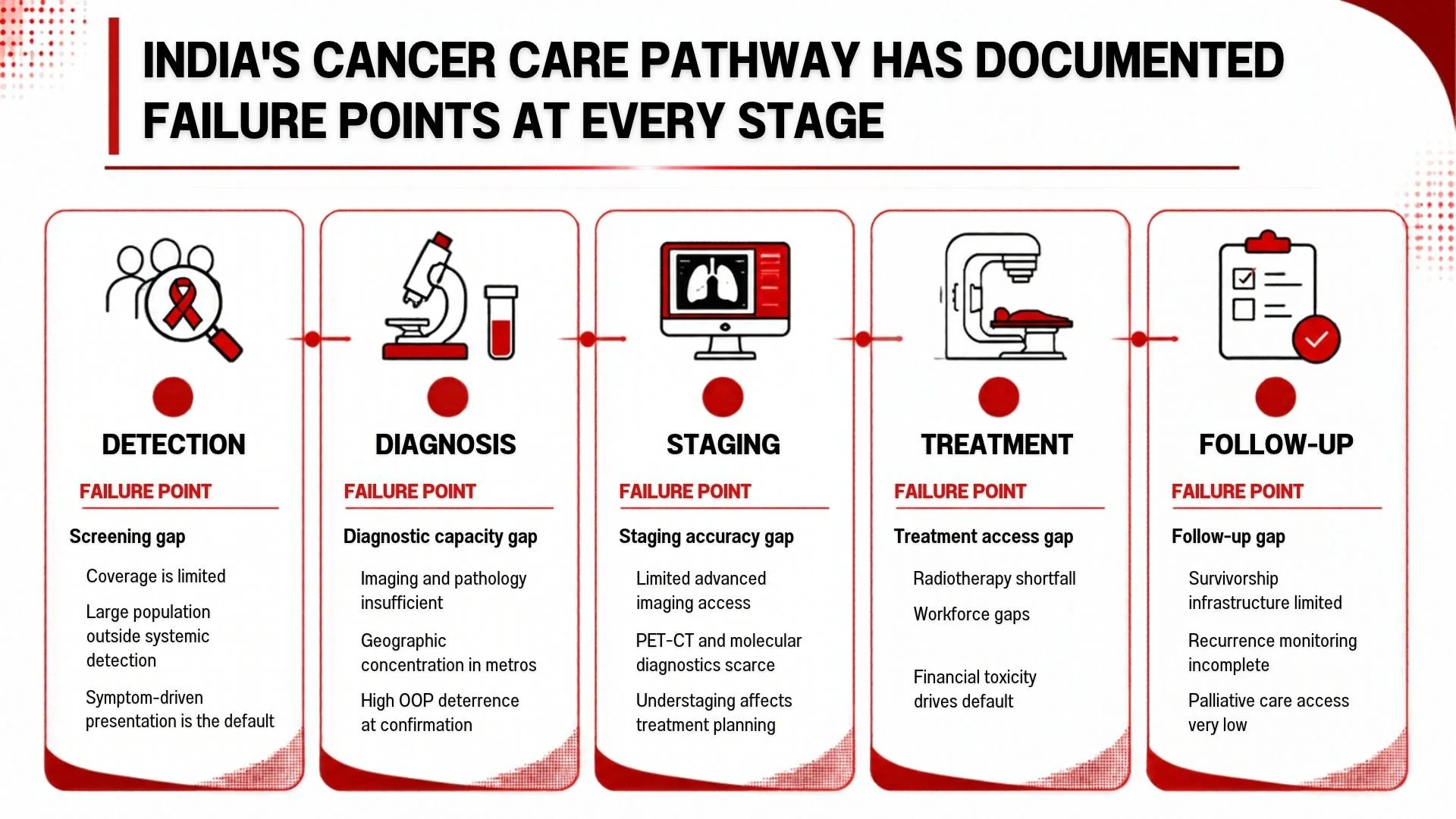
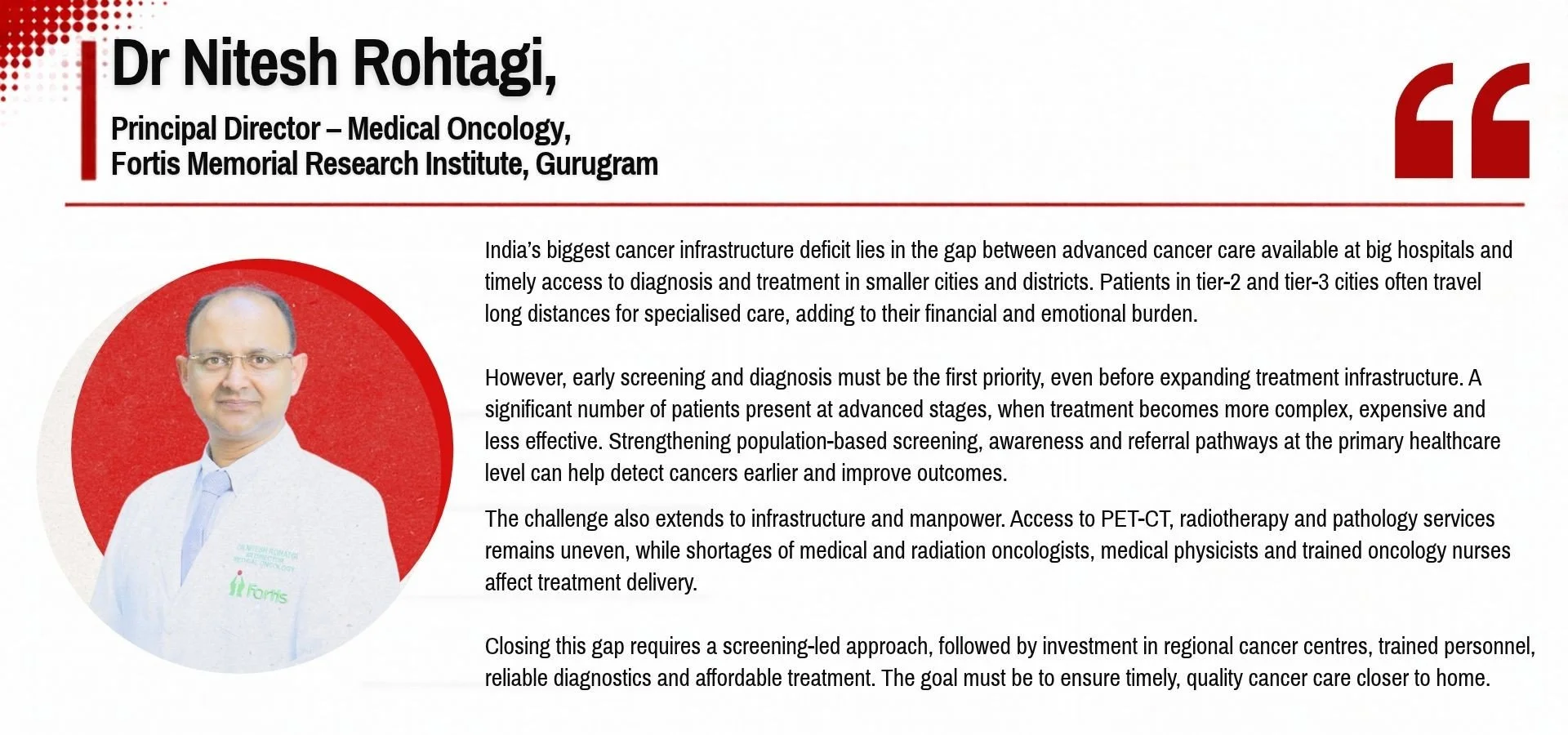
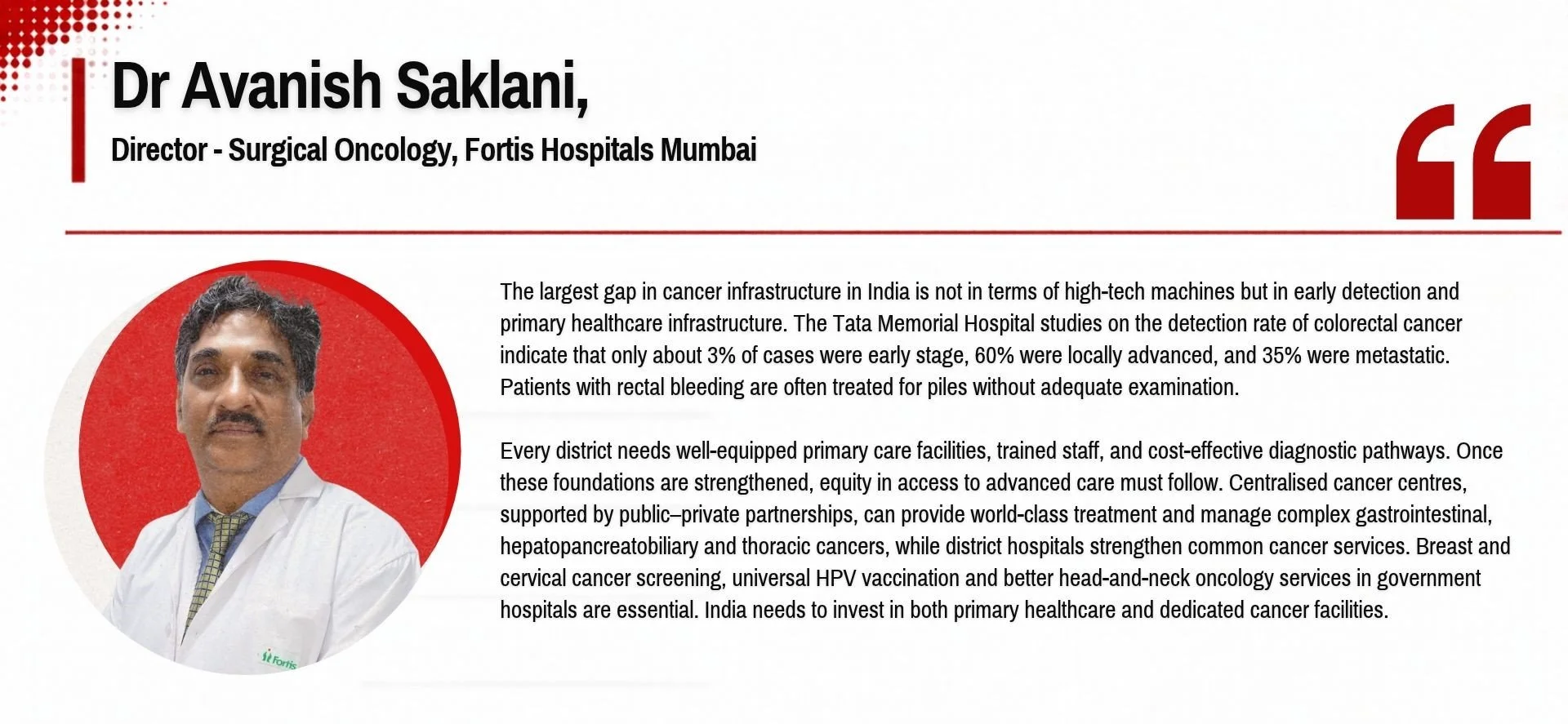
Dr Amit Chakraborty, head and neck cancer surgeon at SSO Cancer Hospital, Mumbai, says India’s biggest cancer infrastructure challenge is ensuring timely access to quality treatment beyond the major cities. “Many tier-2 and tier-3 cities lack essential equipment such as radiotherapy machines, PET-CT scanners, CT scanners and advanced diagnostic facilities. There is also a shortage of medical oncologists, radiation oncologists, surgical oncologists, medical physicists and trained oncology nurses, which further delays treatment. Setting up and maintaining cancer centres requires huge investment in equipment, infrastructure, technology and skilled staff. It is necessary to strengthen district hospitals, expand cancer centres, train specialists and improve public–private partnerships. Affordable treatment, early screening and timely referrals can help reduce delays and ensure patients receive appropriate cancer care closer to home,” he explains.
Near is not reachable
Shah echoes Dr Chakraborty’s view. She says the paper’s mapping shows tight clusters of comprehensive cancer hospitals around Delhi, Mumbai and Chennai, while in central, eastern and north-eastern India the nearest hospital may be hundreds of kilometres away. Even where hospitals are close, access can be poor: South Mumbai has dense, overlapping catchments, yet the eastern suburbs and informal settlements are functionally cut off by poor road and transit links. “Proximity does not equal access,” she says.
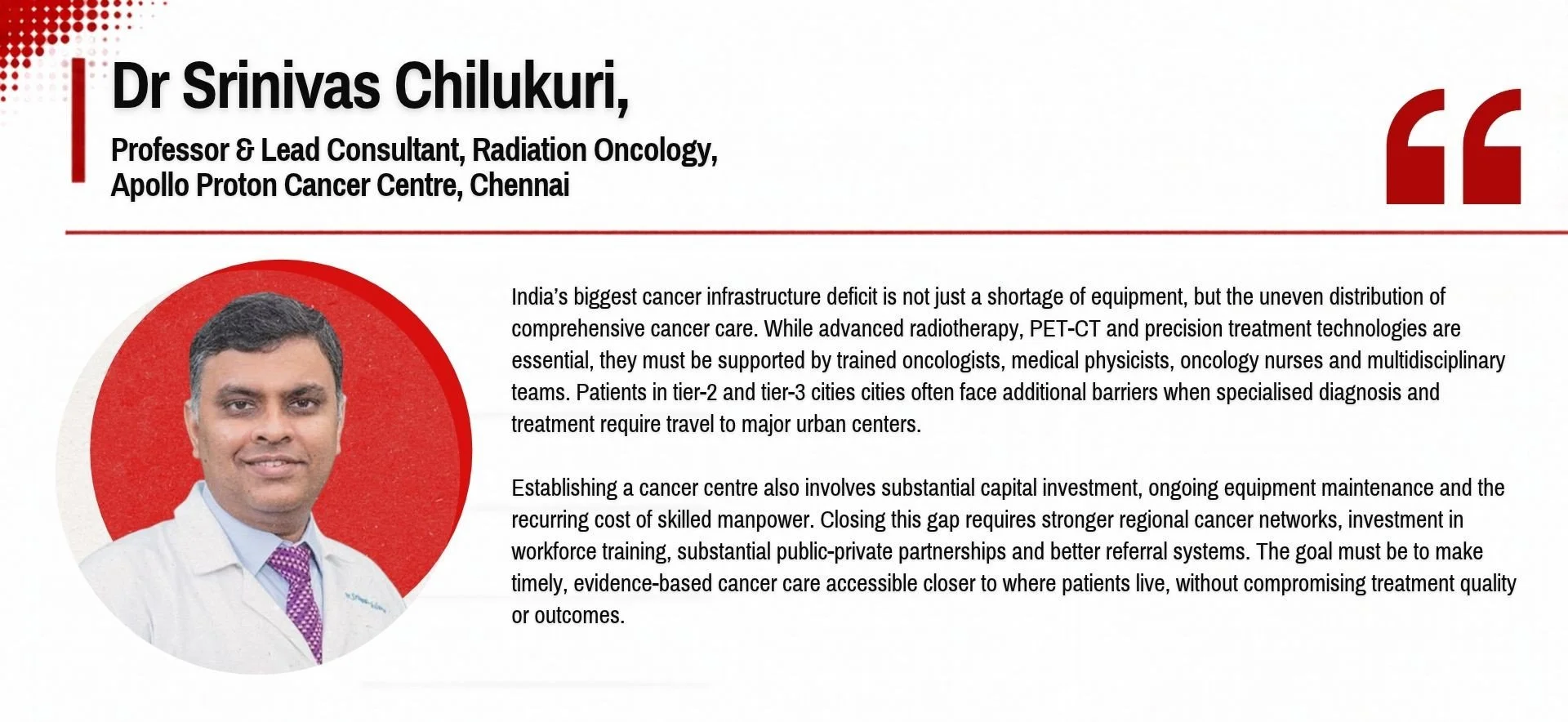
Dr Gayana Shankaramurthy, Director, Nuclear Medicine and Theranostics at KIMS Hospitals, Mahadevapura, Bengaluru, agrees. “Even today, oncology care in India is lacking, particularly in tier-2 and tier-3 cities, where patients usually have to wait for PET-CT scans, radiotherapy and other facilities. The shortage of medical oncologists, medical physicists and nurses only makes it harder for cancer centres to provide quality treatment. Preventive oncology needs attention too. Greater awareness of cancer risk, along with regular screening and early detection, will lead to better treatment outcomes, better management of complications and lower healthcare costs. Public–private collaboration and a hub-and-spoke approach can open up new opportunities for remote regions of India.”
The many vulnerabilities
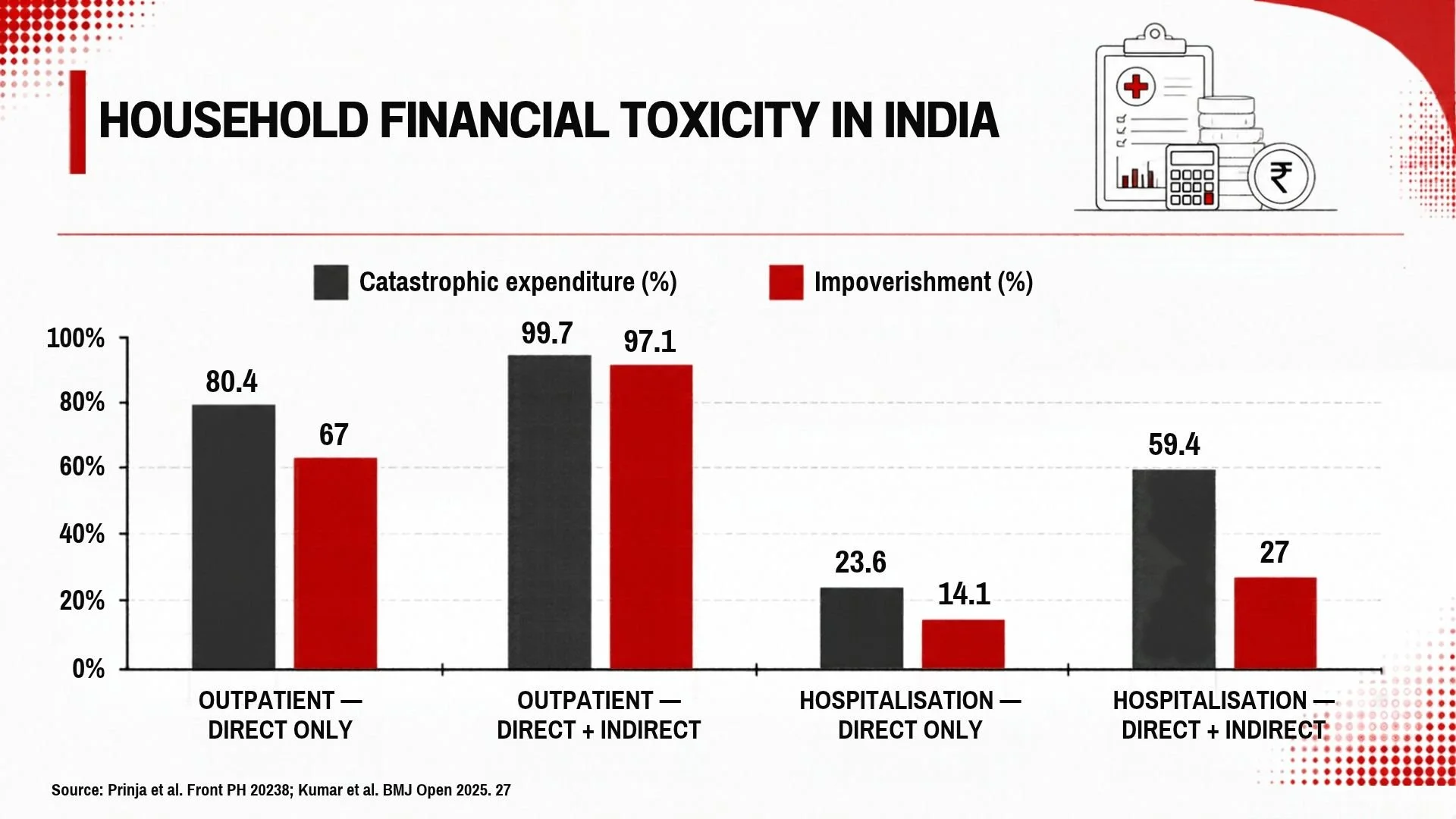
“The ‘missing middle’, households above the below-poverty-line threshold but below private-pay resilience, are the most financially exposed,” says Shah.
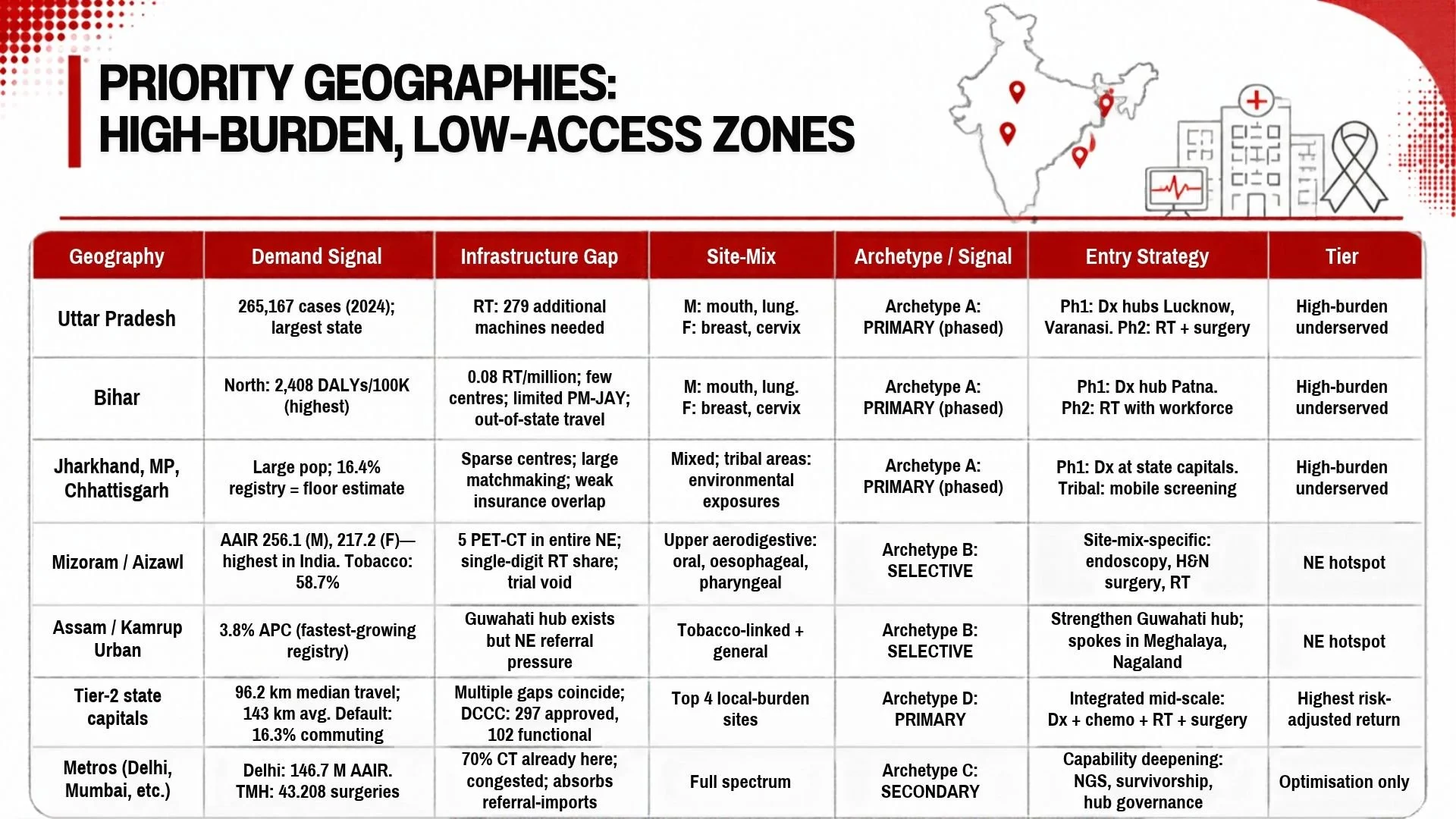
Further, the paper’s table of ‘high burden against low radiotherapy access’ names Uttar Pradesh and Bihar as critical. Madhya Pradesh, Rajasthan, Jharkhand, Odisha and Chhattisgarh are under-served, while Mizoram and the north-east have the highest incidence with limited access. In these states, it is rural residents who face lower registry coverage (9.5% rural vs 31.6% urban), lower pathology verification (57.7% vs 71.1%) and worse survival. Five-year oral cancer survival is 34.1% in rural areas as against 48.5% in urban areas.
Approved does not mean functioning
Shah summarises some of the report’s most significant findings:
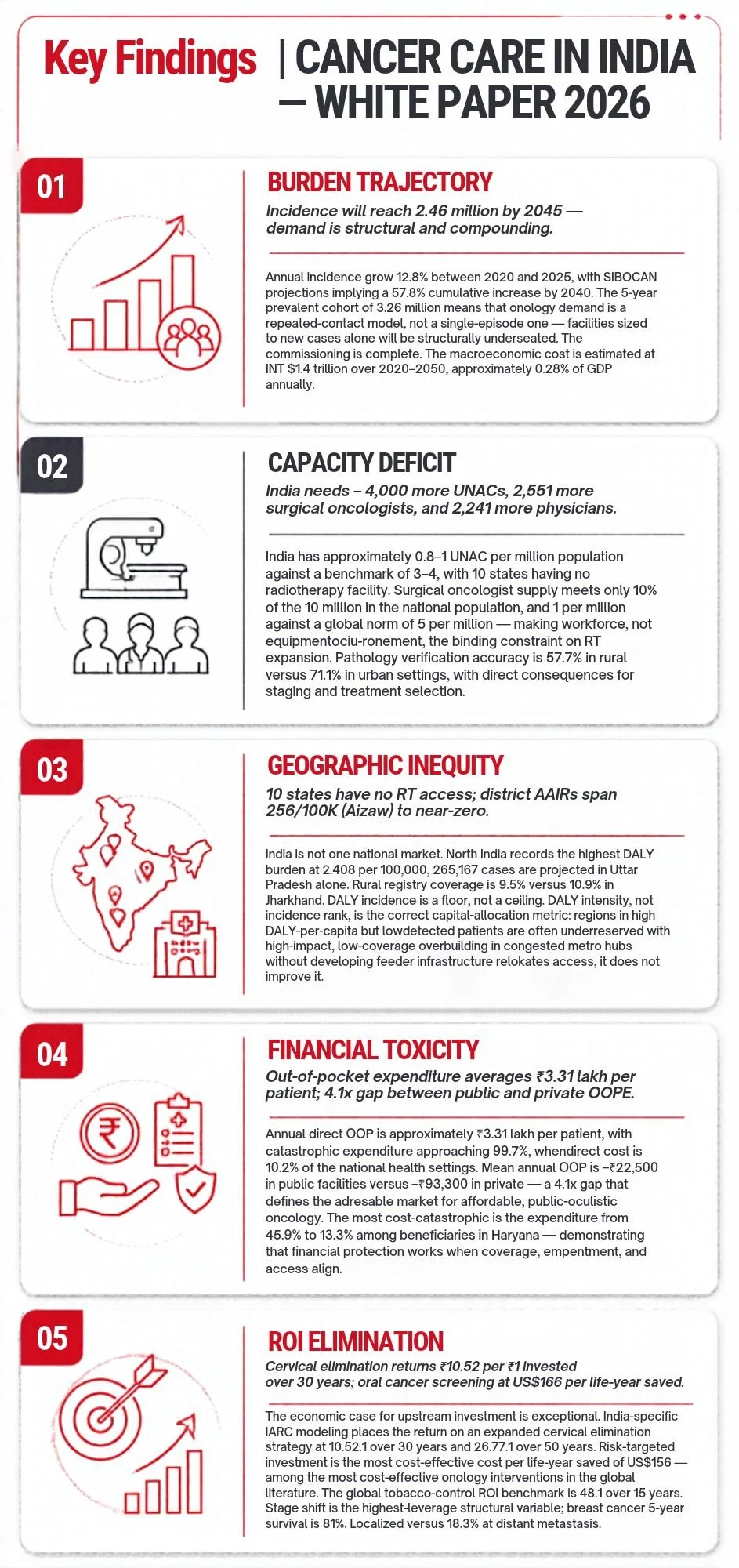
Idle capacity: Radiotherapy utilisation is 28.5% against a 58.4% optimum. The system is under-converting, not only under-equipped.
Approved, not operating: Of 297 day care cancer centres (DCCCs) approved for 2025–26, 102 (about 34%) are functional. Of 39 state cancer institutes and tertiary care cancer centres approved, 32 are operational.
Regional gaps: Bihar has only 0.08 radiotherapy machines per million people.
Rural disadvantage: Rural women in Varanasi had higher mortality (standardised rate ratio [SRR] 1.18) despite lower recorded incidence.
Fill in the blanks
Several basic questions still lack reliable national data, Shah says. “How many chemotherapy chairs or oncology beds exist? How many oncologists and nurses work where? Real patient flows, meaning where people travel from and where they drop out. Private-sector capacity. PM-JAY [Pradhan Mantri Jan Arogya Yojana] denial and settlement rates. Rural incidence. Approval timelines for AERB [Atomic Energy Regulatory Board] licensing. Cancer is not a notifiable disease, which is why building the data infrastructure is a priority for the report’s recommendations.”
Little standardisation
Taking stock of the treatment ecosystem is complicated by a lack of consensus and clarity. Researchers and planners disagree about how capacity should be measured. Shah outlines the points of difference:
Benchmark: The paper uses the International Atomic Energy Agency norm of one machine for every 450 radiotherapy patients a year, which works out to 2,049 machines nationwide, while also citing WHO and other benchmarks of three to four machines per million people. Different benchmarks give different answers.
Stock vs delivery: Machines installed versus how many patients actually receive radiotherapy: 28.5% do, against an optimum of 58.4%.
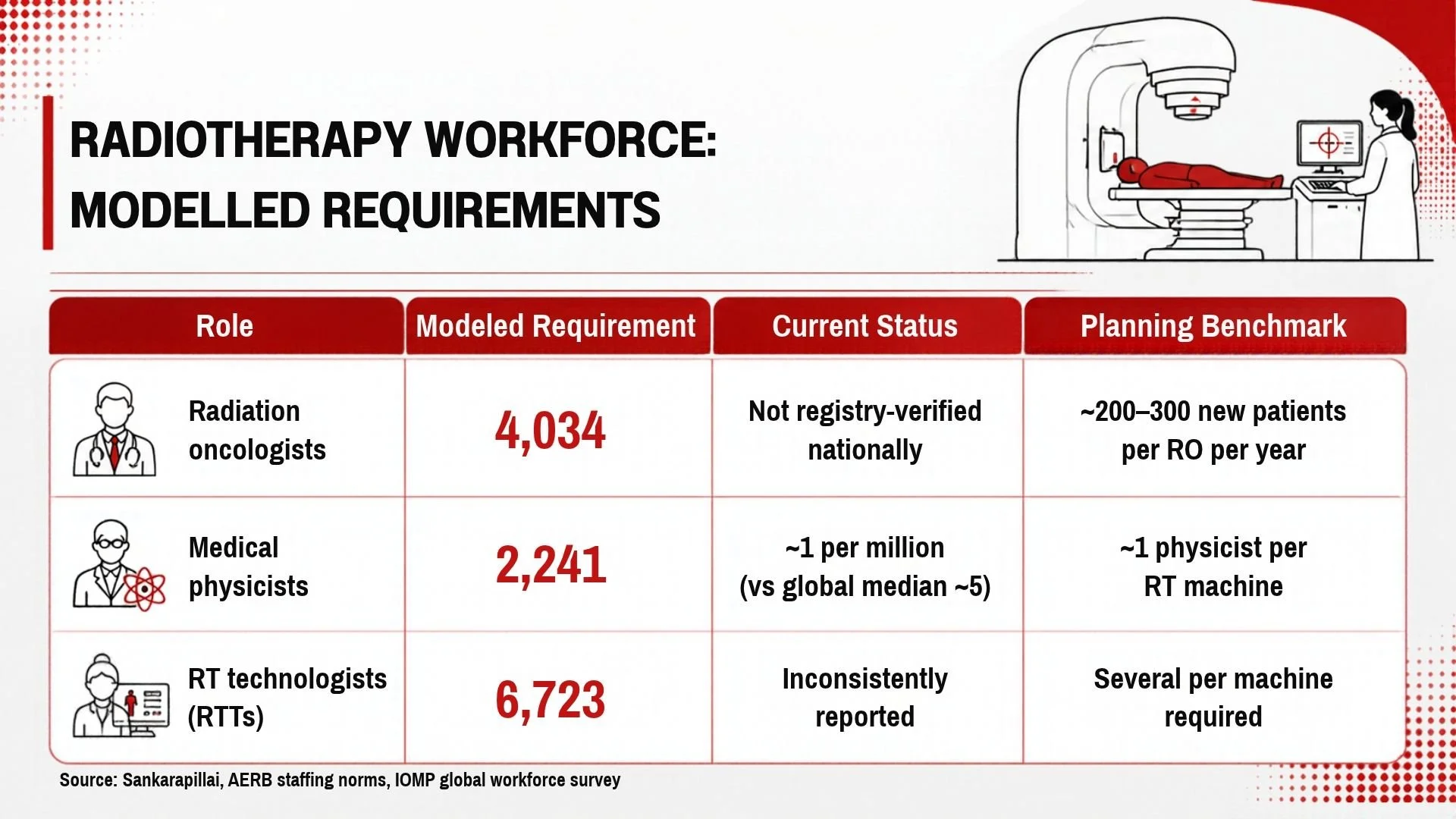
Equipment vs workforce: The density of medical physicists is one per million against a global norm of five, which makes workforce, not procurement, the main bottleneck.
Labouring under assumptions
Shah says capacity planning is often undermined by flawed assumptions. Among them:
Treating approved or announced capacity as working capacity
Counting machines without the physicists, technologists and oncologists needed to run them
Sizing for new cases only, when the 3.26 million prevalent cohort needs repeat contact
Assuming insurance coverage means access, when the nearest centre may be distant or not empanelled
Assuming more screening alone helps, when many patients are lost after screening, before they get a confirmed diagnosis or start treatment (in a Tamil Nadu cervical cancer pilot, just 13% of women who needed treatment got it through the programme)
Assuming the answer is more metro capacity, when metros absorb referral imports from areas with no care.
Build where the patients are
For anyone allocating capital, the report’s lesson is clear: incidence alone is not enough. Geographic planning must weigh how heavy the disease burden is, how reliably cases are recorded, how patients are referred and how developed local healthcare is, if investment is to match actual need rather than just recorded volume.
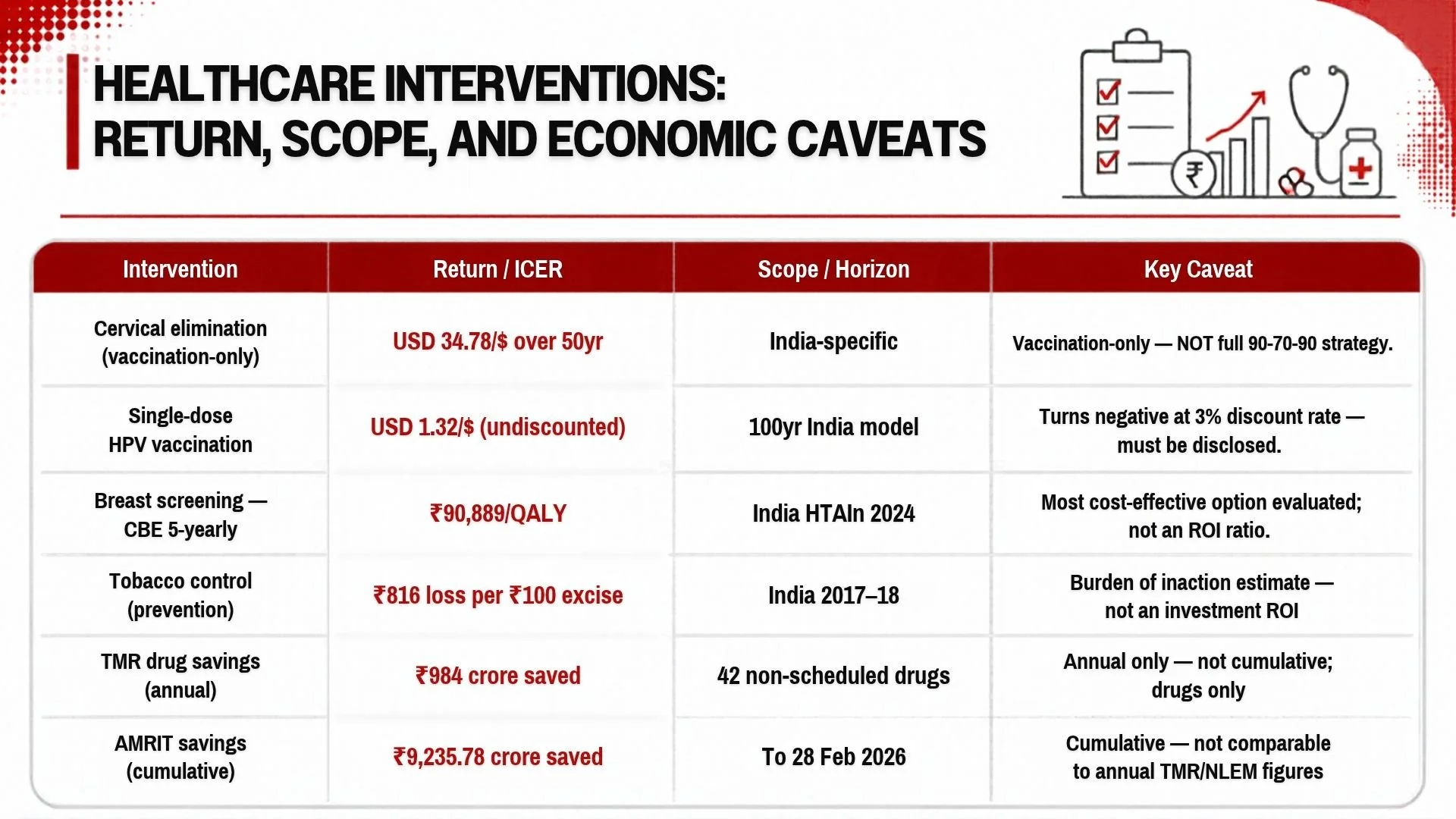
Shah recommends planning by geography and by function. “A national template will underperform in most places. Weigh Disability-Adjusted Life Year (DALY) [a measure of healthy years lost to illness] burden per capita, not just incidence rank. Count functional, not sanctioned, capacity. Treat workforce as infrastructure. Sequence investment from diagnostics to treatment to precision care and prevention. Start with a data layer so that capacity can be measured in the first place.”
A starting point for tier-2 hospitals
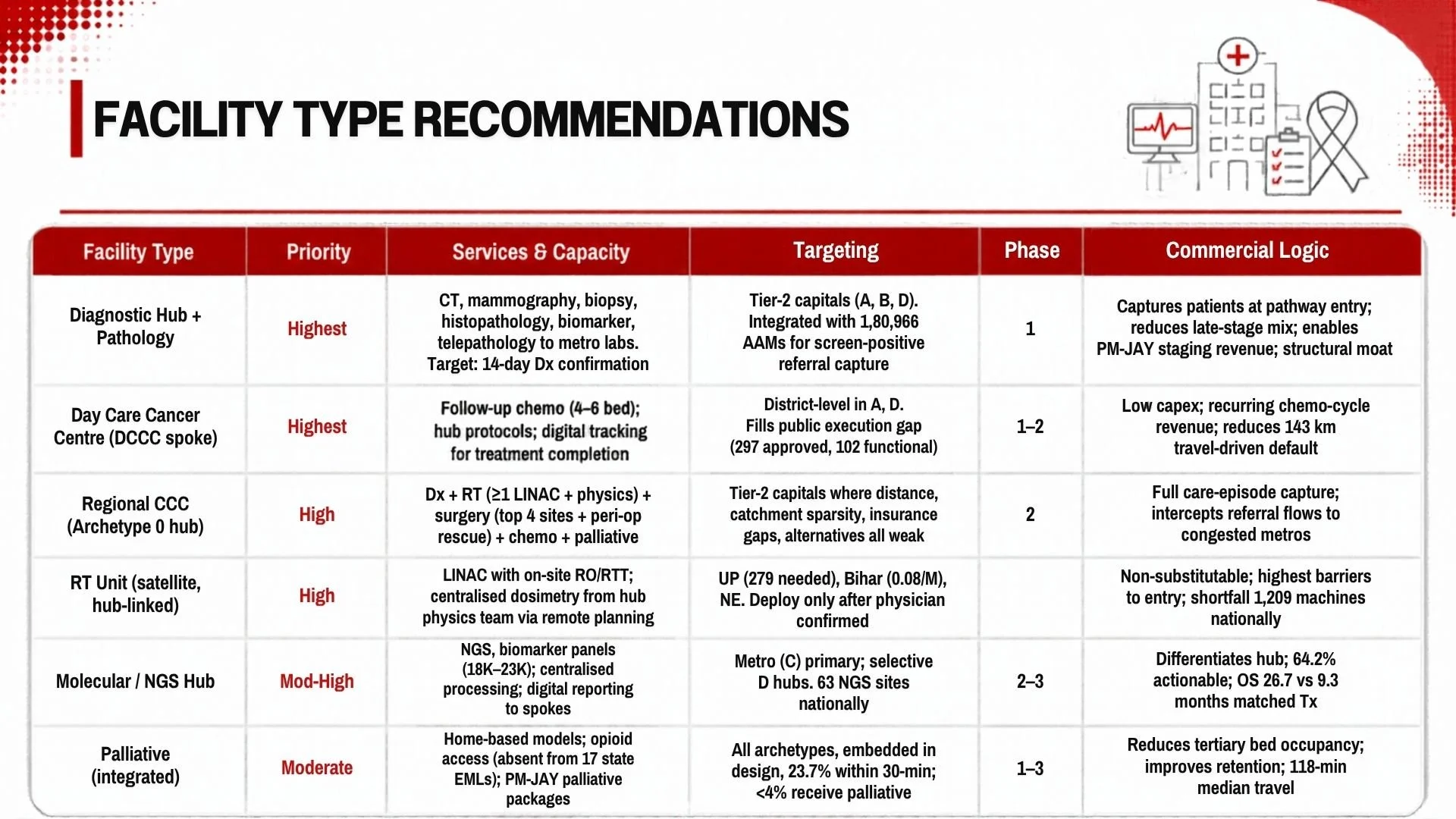
For a tier-2 hospital, Shah recommends the following:
Start with a diagnostic hub, with CT, mammography, biopsy and histopathology plus telepathology, aiming for confirmation within 14 days.
Don’t buy a linear accelerator (LINAC) until a physicist is confirmed.
Build DCCC-type spokes linked to a hub for follow-up chemotherapy.
Hire navigators and care coordinators, because only 46–60% of referrals are completed.
Get PM-JAY empanelment and claims management right.
Phase it: diagnostics and workforce first, treatment scale-up after.
Shah says the approach used for the Mumbai region can be extended to other cities and states once facility data with map coordinates exists.
Meanwhile, Mansur continues his monthly trips to Chennai. “Each month, I take a bus from Nagercoil. After chemo, I am sometimes too tired to take the bus, so I hire a cab to the railway station and take the train home. After reaching home, I am unable to do anything. I wish there were a good hospital near my home,” he says.
*Name changed
Got a story that Healthcare Executive should dig into? Shoot it over to arunima.rajan@hosmac.com—no PR fluff, just solid leads.